Ordering Food in China Without Speaking Chinese
Navigating the menu maze? Here's how to order like a local, even if you can't speak a word of Chinese.
When QR Codes Fail
<p>From the bustling street food stalls to the elegant confines of a mid-range restaurant, the differences can be stark. Take breakfast, for example: street snacks like buns, pancakes, and soy milk range from ¥3–8. But in a typical mid-range restaurant, you're looking at a per-person expense of ¥40–80, while a bowl of noodles at a street noodle shop can cost between ¥12–25. Most Chinese restaurants don't add a service charge to the bill; tipping is uncommon.</p>
<p>Now, picture this: you're seated at a restaurant, ready to order, when you realize the QR code menu isn't working. What do you do? First, don't panic. It happens more often than you'd think. Try asking for a paper menu or using a translation app on your phone. Remember, it's okay to ask for help. You might be surprised at how accommodating the staff can be.</p>
<p>I've been there myself. Once, in a small, cozy restaurant in Beijing, the QR code menu just wouldn't load. I ended up using the Google Translate app to show the pictures of dishes to the server. It worked like a charm. The key is to be patient and friendly.</p>
<p>And remember, not all restaurants have English menus. So, if you're in a bind, don't hesitate to ask for assistance. It's better to have a great meal than to be stuck with something you can't eat.</p>
Expressing Your Diet Restrictions
<p>Now, what if you have a diet restriction? You don't want to end up with a spicy dish that leaves you feeling uncomfortable. How do you tell the chef you can't eat spicy food? It's easier than you think. Just say 'No spicy' or 'Wu la' (which means 'without spicy' in Mandarin). Always remember to mention your restrictions before ordering. This is crucial because many dishes are pre-marinated or come with pre-mixed seasonings, making it impossible to remove the spices once cooked.</p>
<p>For example, if you're at a street food stall and you're not sure if the dish you're about to order is spicy, you can simply say, 'This is spicy, right?' The vendor will likely nod or shake their head, and you'll know right away. It's that straightforward.</p>
<p>And if you're ever in doubt, don't hesitate to ask. Remember, in most restaurants, paper towels and wet napkins are not included and are usually listed separately on the bill. So, it's always a good idea to clarify your dietary needs upfront.</p>
Deciphering the Bill
What are those extra charges on the bill? You might notice items like paper towels and wet napkins listed separately. They're often not included in the price, so be prepared for extra costs. For example, a street breakfast of baozi, jianbing, or doujiang might cost you ¥3–8, but those extra items could add up.
Always ask if something is included in the price. It's better to be clear from the start rather than surprised later. Most restaurants in China don't charge a service fee, so you won't see that on your bill. And remember, tipping isn't common practice here.
If you're ordering online through a QR code on the table, the menu is usually in pictures, with some offering an English option. But even with English, it's good to know that some dishes are pre-marinated or come with seasoning packets, so if you have specific dietary needs, mention them when you order.
Eating Alone
Eating Alone
Ordering for one person can be daunting, but it's totally doable. I've been there, and here's the trick: ask for a single serving or half portion. You'll avoid the waste, and at ¥3–8 for a street food breakfast, that's a win. Plus, it's common in China to order several dishes to share. That way, you can taste the diversity of flavors.
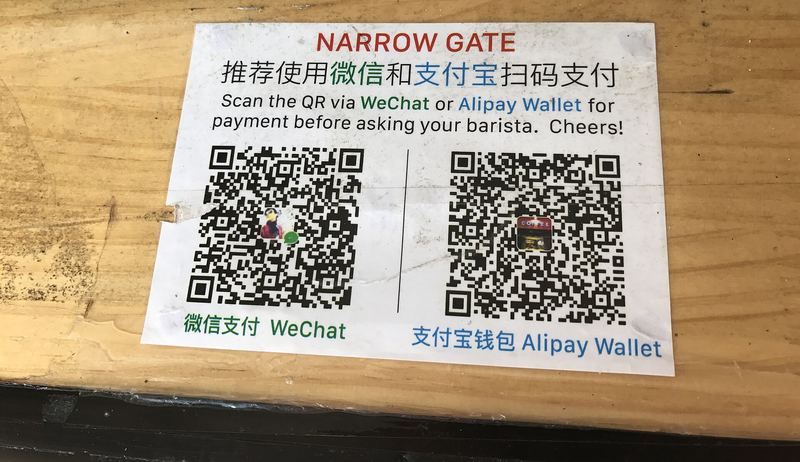
Don't be surprised if you see a QR code on your table. Many restaurants in China now use them for ordering. Just scan, select your dish, and you're set. While the menu is mostly in pictures, some offer an English version, so you can avoid embarrassing moments.
Just a heads-up: be clear about any dietary restrictions when you place your order. Dishes might be pre-marinated or have seasoning packets, making it hard to detect if you're sensitive to certain ingredients.
In most cases, you'll find the prices reasonable. For a decent meal in a mid-range restaurant, expect to pay ¥40–80, or about USD 6–8 per person. And don't forget, you might need to purchase napkins separately—they often aren't included.
Facts to Remember
Remember, most restaurants use QR codes on the table for ordering. It's a fast and easy way to select your dishes, and some menus even have an English option.
Facts here were checked when this page was written. Rules, fees and schedules in China change without much notice — confirm against the official source before you rely on any of it.