Xi’an: The Wall, The Warriors, And How Many Days It Takes
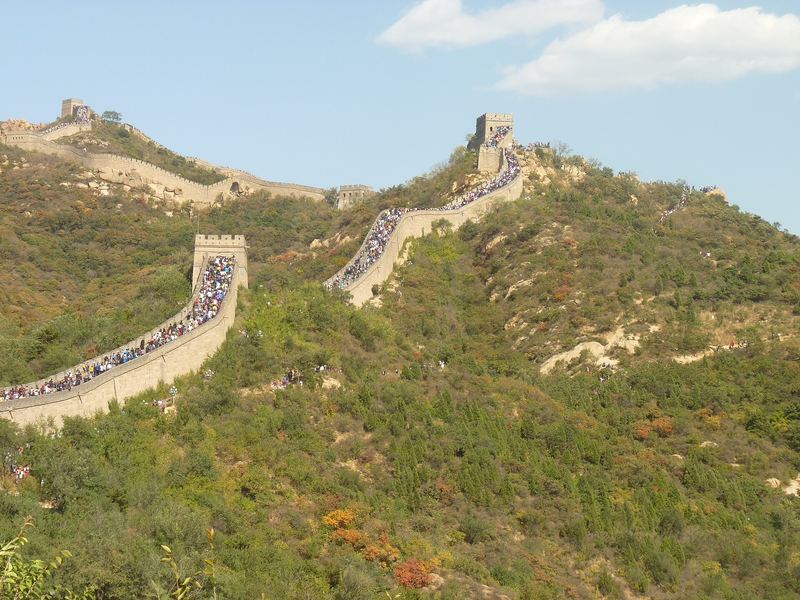
The reason most people come is buried 40 km outside town. The reason they come back is the 14 km of Ming city wall you can cycle around at sunset, and the food streets underneath it.
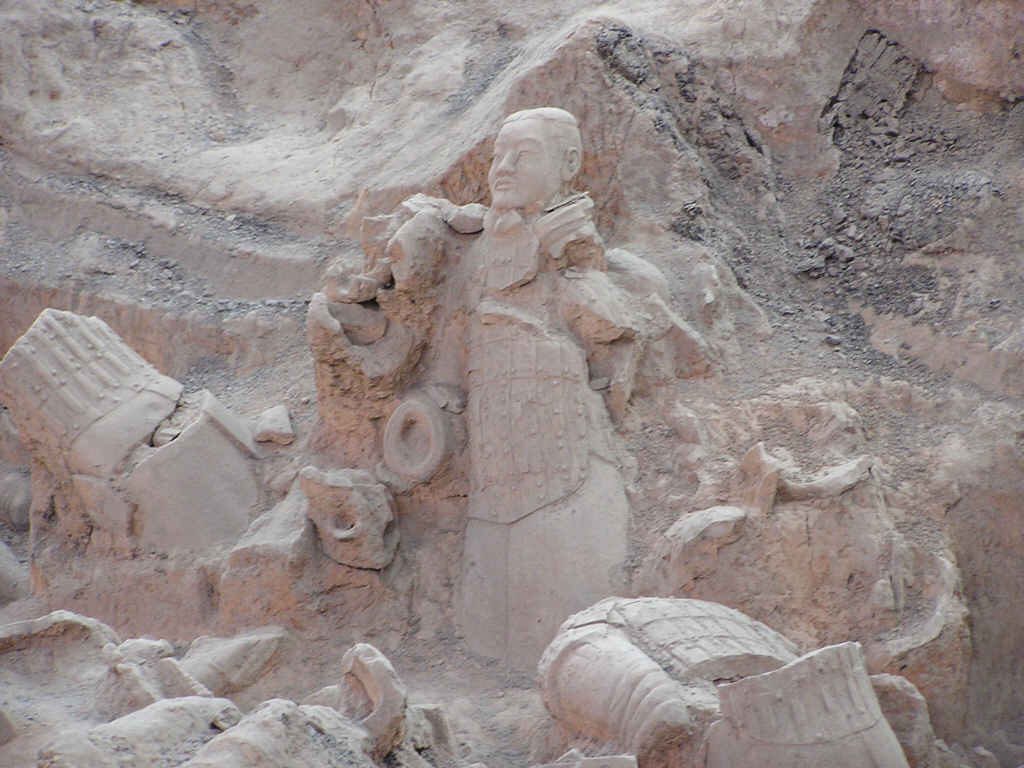
Xi’an is where the China you came for is buried — literally, under a farm field 40 km east, where a farmer hit a clay head with his well-digger in 1974 and found an army. The city itself has had two and a half thousand years to accumulate layers, and the Tang dynasty version of it was, by most accounts, the largest city on earth at the time.
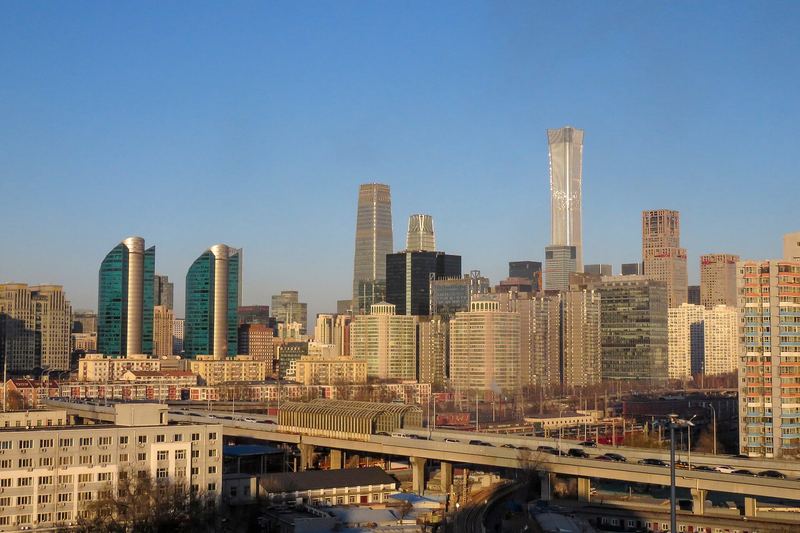
It is also, today, a place of wide ring roads, heavy summer haze and excellent noodles. Three days is the right amount: warriors, wall, Muslim Quarter, and an afternoon for a pagoda or a museum.
Getting in from the airport
Xianyang (XIY) is about 40 km north-west and is now on Metro Line 14, which takes roughly 50 minutes and ¥8 into the northern part of the city before you change. A taxi runs ¥120–150 and takes 40–60 minutes depending on how the ring road is behaving. Airport buses still exist and cost around ¥25, but the metro is more predictable.
The Terracotta Army, without the 10am crush
The museum is roughly 40 km east of the centre. Entry is ¥120 in peak season and covers Pit 1, Pit 2, Pit 3 and the museum hall; the free shuttle to the Qin Shi Huang Mausoleum site is included in that ticket. Tourist bus 306 runs from the main railway station square for about ¥8–10 and takes an hour in decent traffic.
Timing is everything here. Between 09:00 and 11:00 every tour group in Shaanxi is standing in front of Pit 1. Arrive when the gates open at 08:30, or come in after 15:00 when the coaches have gone and the light in the hall is better anyway. Budget three hours, not ninety minutes.
The city wall
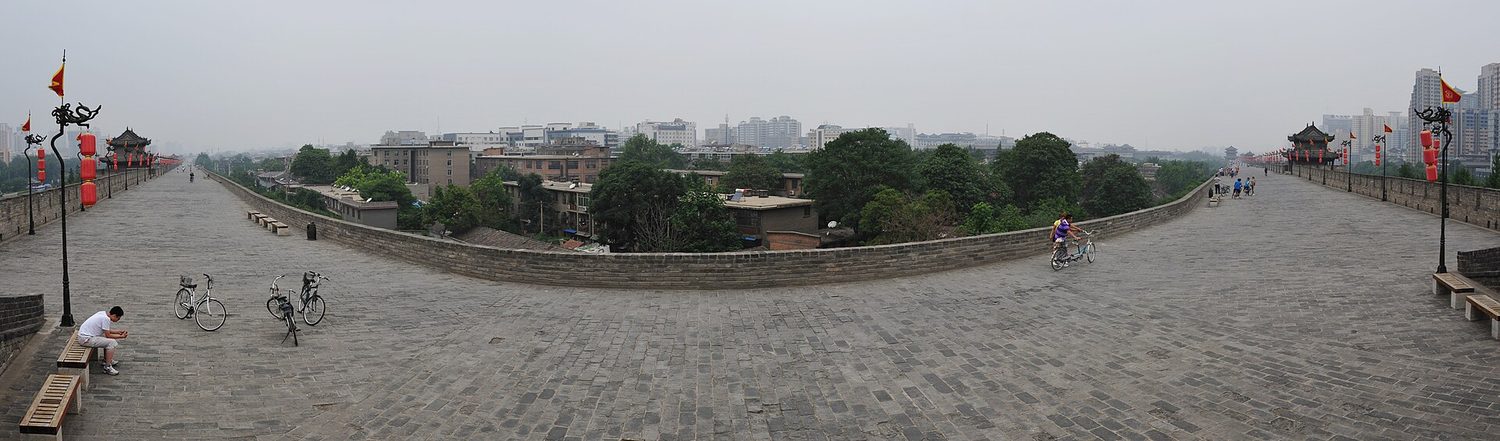
The Ming wall is 13.7 km of brick around the old centre, and you can walk or cycle the top. Entry is ¥54. Bike hire on the ramparts runs about ¥45 for three hours on a single and around ¥90 for a tandem, with a refundable deposit. Cycling the full loop takes roughly two hours with stops.
Go up an hour before sunset. The light comes in low over the rooftops of the Muslim Quarter, the traffic noise drops away once you’re eight metres above it, and the whole thing stops feeling like a monument and starts feeling like a park in the sky.
Rail connections
| Route | Journey time | Second class |
|---|---|---|
| Xi’an North → Beijing West | 4h30 – 6h | ¥515 |
| Xi’an North → Chengdu East | about 3h | ¥263 |
| Xi’an North → Lanzhou West | about 3h | ¥185 |
| Xi’an North → Shanghai Hongqiao | 6h – 7h30 | ¥670 |
That three-hour run to Chengdu is one of the best-value train rides in the country — it crosses the Qinling mountains on a line that opened in 2017 and replaced what used to be an overnight journey. Book it in daylight if you can.
Eating, and how cheap it is
A roujiamo — chopped pork in a flatbread, the local answer to a sandwich — is ¥10–15. Liangpi cold noodles are ¥8–12. A bowl of yangrou paomo, the bread you tear into soup yourself, is ¥25–35 and is more food than most people need in one sitting. The Muslim Quarter is where visitors eat, and it’s worth one evening for the noise alone; the streets two blocks north are where locals eat the same things for less.
Season and air
Come in April, May, September or October. Summer is hot and the city sits in a basin, so haze collects; winter is cold, dry, and grey for weeks at a time. Spring gives you the pear blossom on the wall approaches and tolerable temperatures for a two-hour bike ride.
Mistakes people repeat here
- Treating the Terracotta Army as a half-day. Door to door it’s five hours, and that’s without the traffic.
- Booking inside the wall because it sounds central, then paying double for a room with a view of a car park.
- Skipping the wall ride and just walking a section. The circuit is the point.
- Assuming the warriors are in Xi’an. They’re in Lintong district, and the bus is the cheapest way there.
Questions people actually ask
Is the Terracotta Army worth the trip if I’ve seen photos?
Almost everyone says yes, and the reason is scale: the photos show you thirty figures, and Pit 1 holds thousands in formation across an aircraft-hangar-sized hall. What the pictures can’t show is that the excavation is still going on, and you can watch conservators working on fragments at the back of the hall.
Can I do Xi’an as a day trip from Beijing?
Not sensibly. The fastest trains are about four and a half hours each way, which means nine hours travelling to see one thing. If your schedule is tight, fly and stay one night — the warriors early, the wall at sunset, and the train back the following morning.
How do I pay for things in Xi’an?
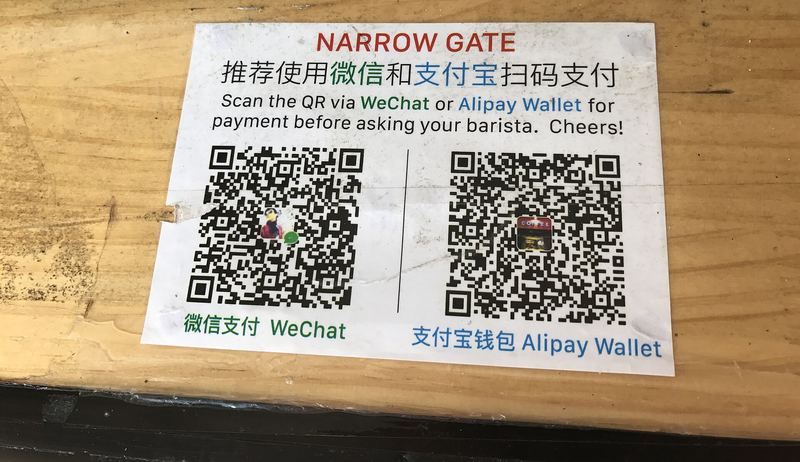
Same as anywhere: QR wallets first, card at hotels and big restaurants, a little cash for the bus and street food. The tourist bus to Lintong still sometimes wants notes rather than a scan, so keep ¥50 in small bills on you that day.
Entry fees and rail times checked in September 2026 against official ticketing and published timetables. Bus route numbers in Xi’an get renumbered more often than they should; ask at your hotel for the current one.