Beijing: How To Arrive, Where To Sleep, And How Many Days It Deserves
A city of imperial axes and low-rise alleys, where the monuments are a taxi ride apart and the good parts are the bits between them. Four days, done properly.
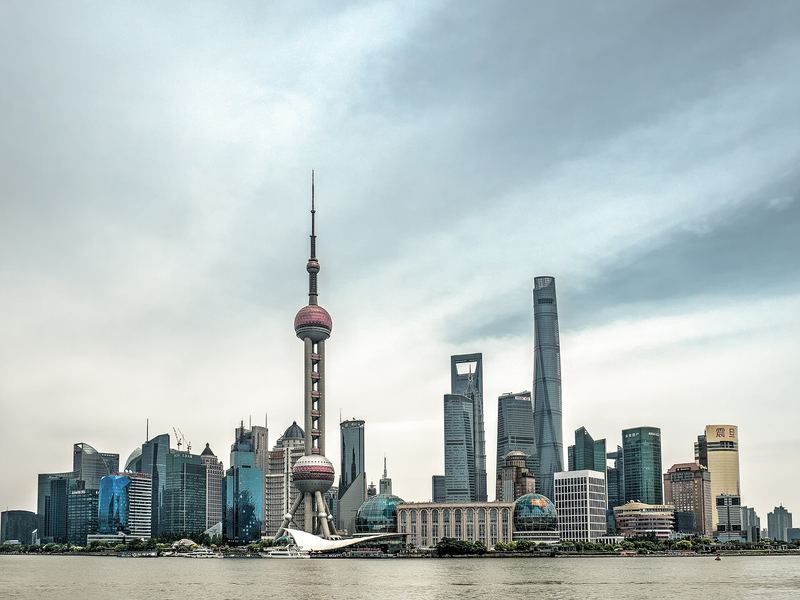
Beijing is a city of planned axes and unplanned alleys. The imperial grid still runs the centre — stand at Tiananmen and you can look straight down a ceremonial avenue laid out six centuries ago — while twenty minutes north the hutongs run crooked, one storey high, full of men playing cards outside a barber’s.
First-timers get it wrong by treating the place as a list of monuments to tick off. The Wall is a day, the Forbidden City is half a day, and the actual pleasure of Beijing is in the low-rise residue between the ring roads: dumpling shops, mahjong games on the pavement, a man repairing bicycles under a tree with his radio on. Give it four days and you’ll get both halves.
Getting in: two airports that are not interchangeable
Capital (PEK) sits about 30 km north-east and connects on the Airport Express: ¥25, roughly 20 minutes to Dongzhimen, then change. Daxing (PKX) is 46 km south, newer, and mostly serves the southern and international long-haul carriers; its express runs to Caoqiao in about 35 minutes for ¥35. Check which one your ticket says before you book anything with a bed in it.
Which should you prefer? Capital, if you’re staying in Dongcheng, Wangfujing or the north-east — it’s a shorter, simpler ride. Daxing makes sense for the south and for onward high-speed rail, since the intercity line now ties into it. A taxi to the centre runs ¥120–160 from Capital and ¥180–220 from Daxing, and either can double between 17:00 and 19:00 when the Third Ring Road stops moving.
Rail: pick the right station or you will miss your train
Beijing South is your station for Shanghai, Tianjin, Jinan and the eastern high-speed lines. Beijing West handles Xi’an, Guangzhou and the south-west. Beijing North serves the Zhangjiakou corridor. Turning up at the wrong one is the most common way visitors lose a morning, and all three are 40 minutes apart by metro.
| Route | Journey time | Second class |
|---|---|---|
| Beijing South → Shanghai Hongqiao | 4h18 – 5h55 | ¥553 – 662 |
| Beijing South → Tianjin | 30 – 35 min | ¥54.5 |
| Beijing West → Xi’an North | 4h30 – 6h | ¥515 |
| Beijing West → Guangzhou South | 8h – 10h | ¥862 |
| Beijing North → Zhangjiakou | about 1h | ¥90 |
Seats open roughly 15 days ahead on most services and the 4h18 Beijing–Shanghai trains sell out first, so buy the moment your date releases. Foreign passports work as ID at the barrier; if the gate doesn’t open, walk to the manual channel and hand the passport over rather than standing there swiping.
How many days, and where to sleep
Four days is the honest answer for a first visit: Forbidden City and Tiananmen on one, the Great Wall on another, Temple of Heaven plus hutongs on the third, Summer Palace or 798 on the fourth. Three works if you drop the Summer Palace, which is lovely and also a full half-day on the metro.
Sleep inside the Second Ring Road if you can. Dongcheng and Xicheng put you within 20 minutes of almost everything, and a mid-range double runs ¥500–900 a night. Hostel beds in the hutongs go for ¥120–200 and are genuinely good value. Anything past the Fourth Ring is cheaper on paper and costs you 90 minutes a day underground.
What the Great Wall actually costs
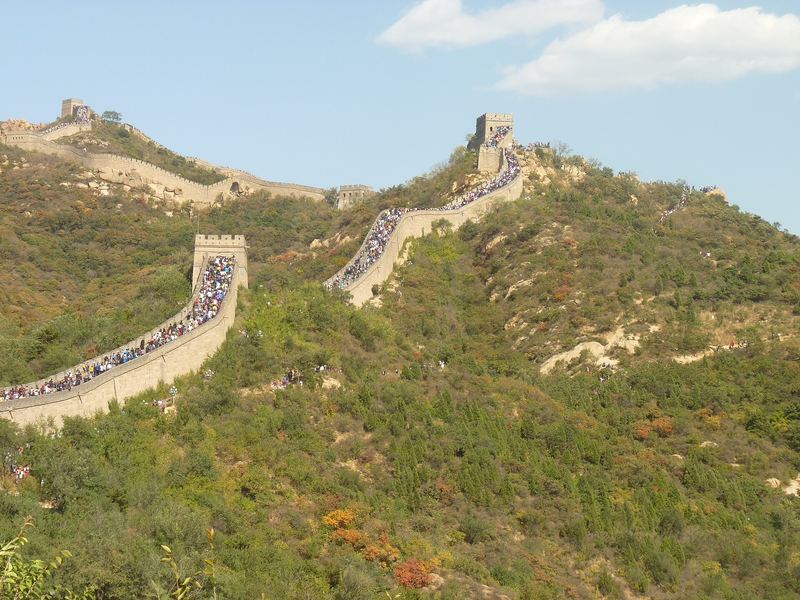
Mutianyu is 70 km out and is the section to choose with one day: restored, less crushingly busy than Badaling, and it has the toboggan. Entry is ¥45, and the cable car up plus the toboggan down is about ¥120. Badaling is 60 km and closest, which is exactly why it carries the coach crowds. Jinshanling is 130 km and two and a half hours by road — you go there if you want to walk for four hours and see almost nobody.
Leave at 07:00 on a weekday and you’ll be on the ramparts before the tour buses from the city arrive around ten. That one decision changes the day more than anything else you could get right.
Daily costs, realistically
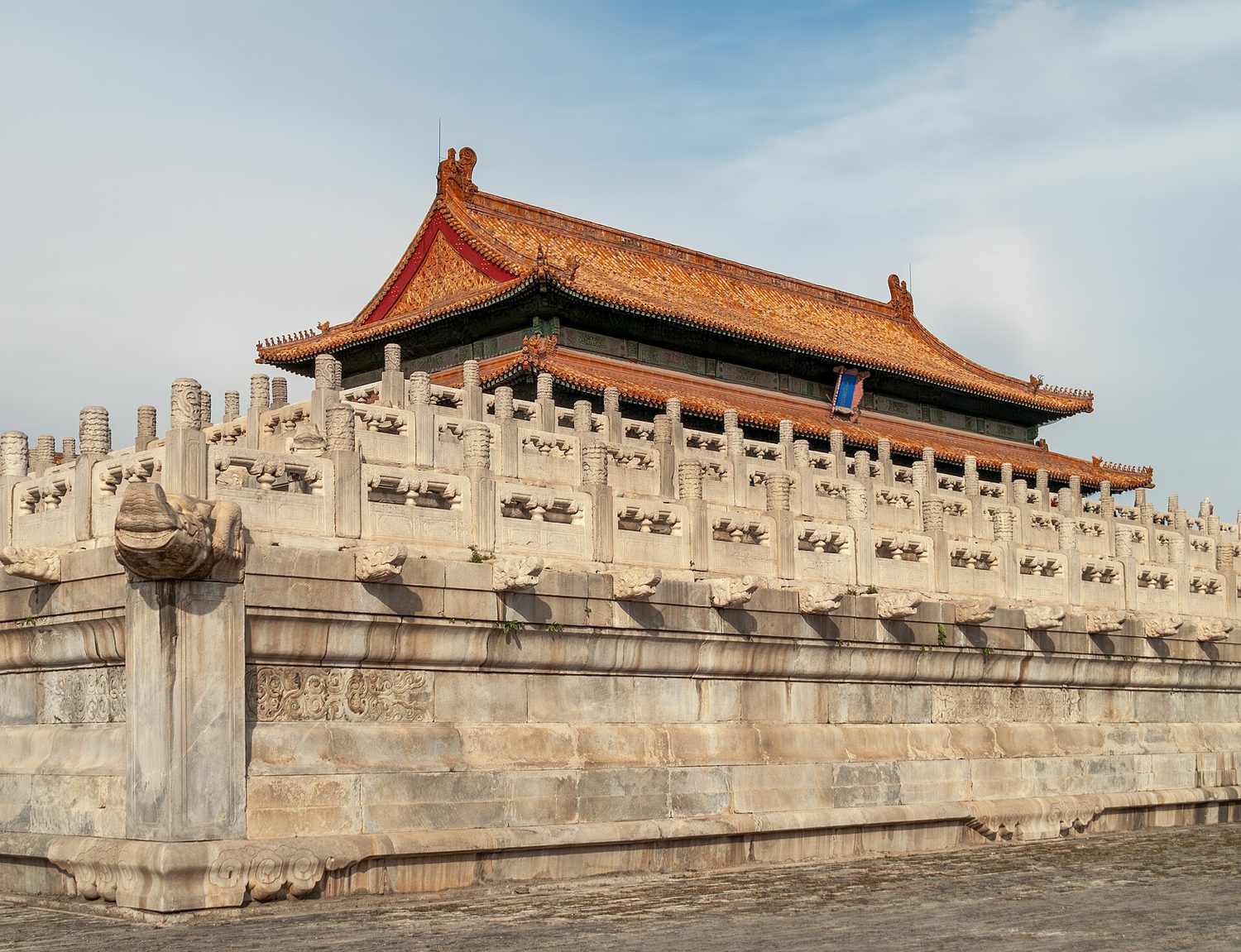
A bowl of zhajiangmian in a neighbourhood shop is ¥18–30. Peking duck for two lands around ¥350–500 at a mid-range house, and half a duck is plenty for most people — order it that way and skip the ceremony. Metro rides are ¥3–9. The Forbidden City is ¥60 from April to October and ¥40 the rest of the year.
Add it up: a comfortable independent day — mid-range room, three meals, entries, a couple of taxis — comes to roughly ¥700–1,000 per person. Travelling on dumplings and the metro, ¥350 a day is achievable without feeling poor.
Mistakes people repeat here
- Booking a hotel by neighbourhood name without checking which ring road it sits on. “Beijing” covers 16,000 square kilometres.
- Assuming the subway runs late. Most lines stop around 23:00 and the last trains are earlier than the posted closing time on some branches.
- Paying ¥600 for a private car to the Wall when the 916 express from Dongzhimen costs a fraction of that and drops you at Huairou.
- Coming in July expecting dry heat. Beijing’s summer is humid, and spring and autumn are the months worth building a trip around.
Questions people actually ask
Is three days enough for Beijing?
Three gets you the Forbidden City, one Wall section and a decent look at the hutongs. You’ll skip the Summer Palace and the Temple of Heaven, and you’ll feel slightly rushed. If you can stretch to four, do — it’s the difference between seeing the highlights and understanding the city.
Can I get around without speaking Chinese?
Yes, more easily than you’d expect. Station signs, metro announcements and the main ticketing apps all carry English. What trips people up isn’t language, it’s addresses: save your hotel name in Chinese characters on your phone, because taxi drivers read them faster than pinyin.
Do I need cash, or will my card do?
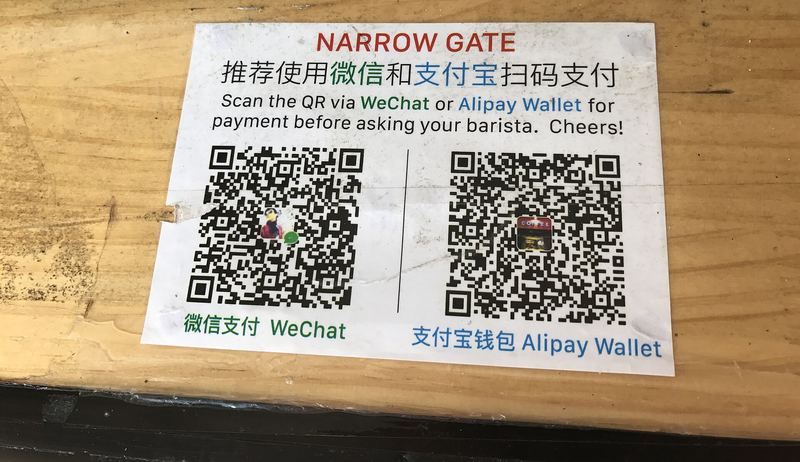
Neither on its own. Set up Alipay or WeChat Pay with your home card before you fly — QR payment is how everyday Beijing actually works — and keep a few hundred yuan in notes as a fallback. See our payment guide for the setup steps and the fee thresholds.
Airport links, entry fees and rail fares below were checked against published timetables and official ticketing in September 2026. Transport prices move; treat the figures as the right order of magnitude, not gospel.