Suzhou: The Gardens, The Canals And Two Days That Work
Nine UNESCO gardens inside a city of six million, twenty-five minutes from Shanghai. Pick three, walk the rest, and eat noodles twice a day.
Suzhou is 2,500 years old and has spent most of that time being rich. The result is nine gardens on the UNESCO list, a canal network that still functions, and a tradition of silk and embroidery that funded the whole thing. It is also the easiest city in China to visit well, because half of what matters is inside a compact old town you can walk across in forty minutes.
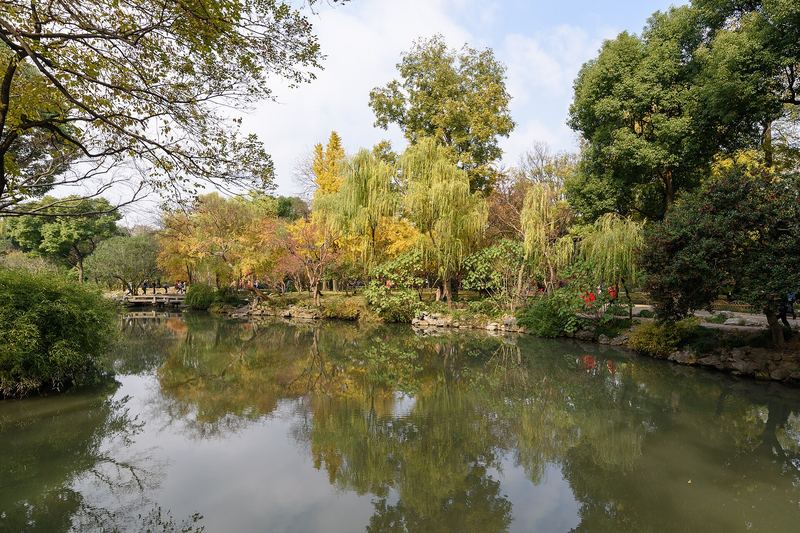
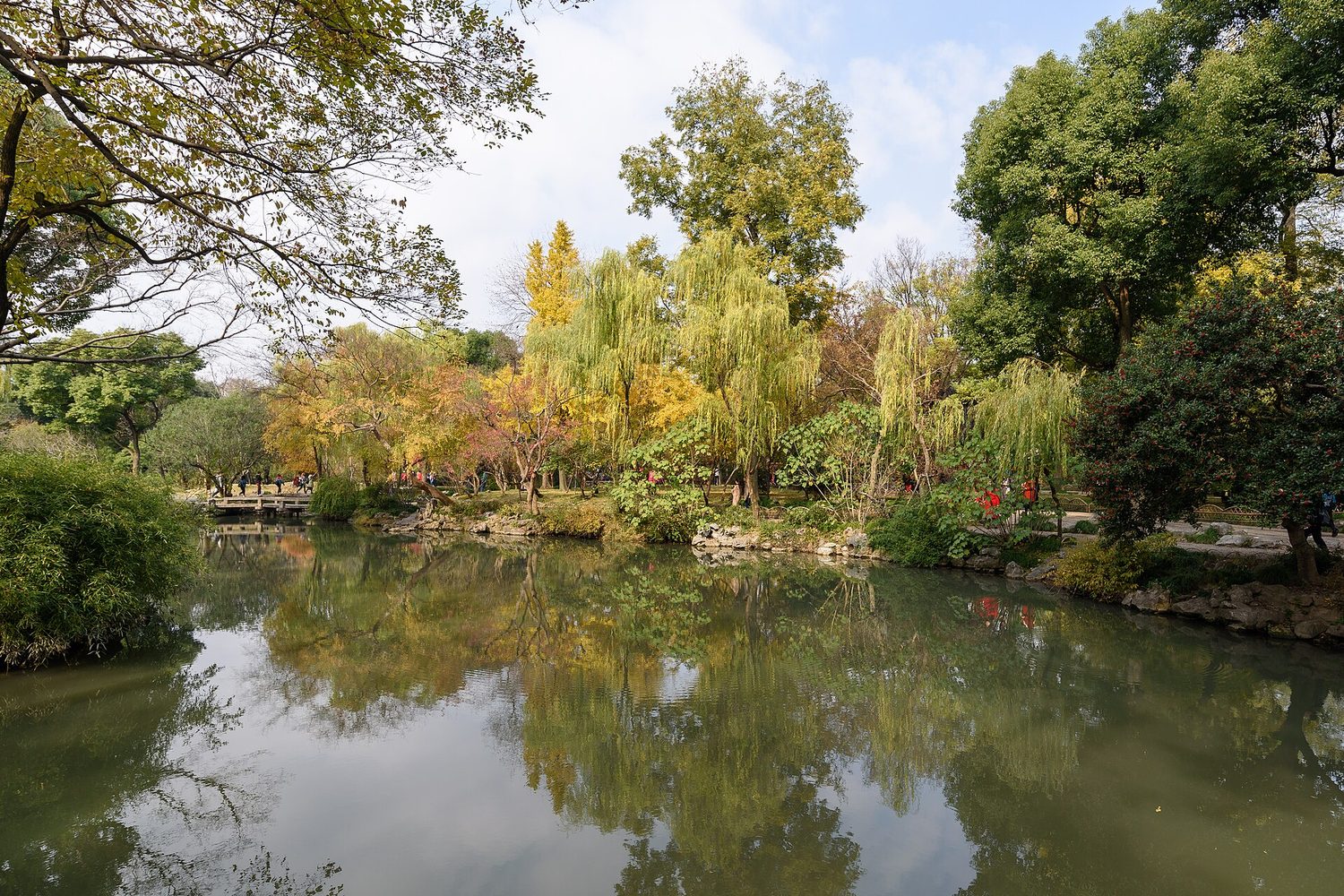
The gardens are small and dense rather than grand. A Ming scholar’s garden is a courtyard with a pond, a rockery, a covered walkway and a wall with a window cut into it, arranged so that every step changes what you see. That is the whole art, and it takes an hour of slow looking rather than twenty minutes of photographs.
Which gardens, and what they cost
| Garden | Price | Verdict |
|---|---|---|
| Humble Administrator’s Garden | ¥80 peak, ¥70 low | The famous one. Go at opening or not at all |
| Lion Grove Garden | ¥40 | Rockery maze, 40 minutes, next door to the above |
| Master of Nets Garden | ¥40 day, ¥100 evening | Smallest and best proportioned; evening performance |
| Couple’s Retreat Garden | ¥30 | Quiet, canal-side, few tour groups |
| Tiger Hill | ¥60 | Leaning pagoda, a hill rather than a garden |
| Suzhou Museum | Free, book ahead | I. M. Pei building, closed Mondays |
If you only do two, take the Humble Administrator’s Garden early and the Master of Nets in the evening, when a small opera and music performance runs in the halls and the courtyards are lit by lanterns. Forty yuan becomes a hundred and it is the best hundred you will spend in the city.
The rest of the old town
Pingjiang Road runs along a canal with whitewashed houses on both sides and is free. It is busy from ten in the morning, so walk it before breakfast instead; the residents are out with their washing and the shops are still shut. Shantang Street, to the north-west, is longer and slightly less polished, and the section beyond the tourist boats is where people actually live.
The Silk Museum, west of the gardens, is free and covers the industry that paid for everything else, with looms in working order and a room of imperial robes. It is almost always empty, which after a morning of ticketed gardens feels like a discovery.
Arriving and getting around
High-speed trains from Shanghai Hongqiao take 25 minutes to Suzhou North for ¥39.50 or about 40 minutes to Suzhou station, which is two metro stops from the gardens. From Nanjing it is 1h20, from Beijing about 4h30. The metro has five lines, fares are ¥2–5, and machines take English.
Taxis inside the old town cost ¥12–18 for any hop, and the old town itself is small enough that walking is almost always the better answer. Bicycles are widely available through the shared apps at ¥1.5 per 15 minutes if your payment wallet is set up.
What to eat, and what a day costs
The local cooking is sweet, and Suzhou will not apologise for it. Noodles with braised pork or eel run ¥18–35 a bowl and are a proper breakfast. Squirrel-shaped mandarin fish at an old house restaurant costs ¥150–200 and is worth doing once. Duck in soy sauce, sold by weight, is the local takeaway, and sesame cakes for ¥8–12 fill the gap before dinner.
Two days in Suzhou costs around ¥900 per person: ¥400 for a good hotel near the old town, ¥250 for food, ¥130 in entries and ¥120 in transport. Cutting the hotel to a hostel or a cheaper chain brings it to ¥600, and there is no need to spend more than this to see the city properly.
If you have a third day, Tongli is 30 minutes away by metro and bus, costs ¥100 to enter, and is a canal town with fewer visitors than Zhouzhuang, which is the famous one and charges the same for considerably more crowds.
Questions people actually ask
How many days do I need in Suzhou?
Two, comfortably: three gardens, the museum, the canal streets and a slow meal. One day is possible from Shanghai but leaves you choosing between the gardens and the lanes. Three days lets you add Tongli or a silk workshop.
Is Suzhou or Hangzhou the better day trip from Shanghai?
Suzhou if you want gardens and canals in a compact old town; Hangzhou if you want a lake and tea hills with more open space. Suzhou is quicker to reach and easier on foot, Hangzhou is greener and quieter once you leave the shoreline.
Do garden tickets need booking?
The Humble Administrator’s Garden does in spring and autumn, and the museum needs a free timed slot year round. The smaller gardens, including the Master of Nets, usually have tickets on the day.
Garden hours shorten in winter and several close one day a week for maintenance; the museum closes on Mondays year round.