Lijiang: Altitude, Snow Mountain And Canal Streets
A Naxi town of canals and cobbles at 2,400 metres, with a 5,500-metre mountain an hour away. Three days, and slow down on the first one.
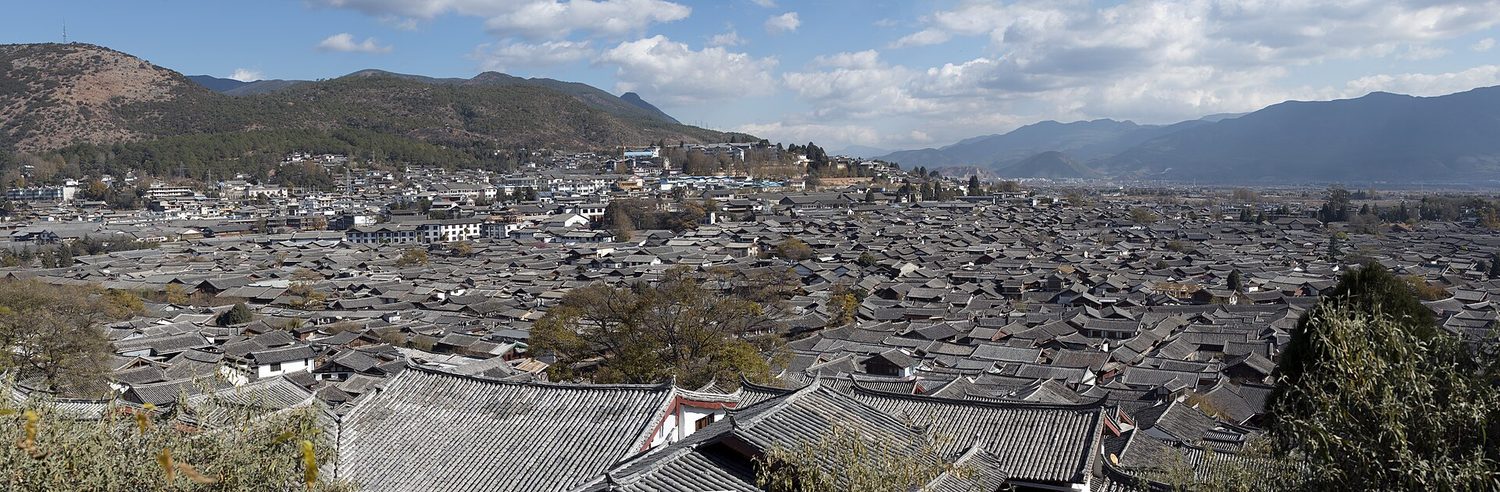
Lijiang old town is a maze of cobbled lanes, canals and wooden houses built by the Naxi people at the foot of a mountain range that runs for 35 km. Water is channelled through every street — an old rule divided it so that one branch supplied drinking water and another cleaned the lanes — and the effect at dusk, with the mountain catching the last light, is why people stay longer than they planned.
Two things matter more than any sightseeing list. The town is at 2,400 metres and the mountain is at 4,500 metres at the cable car station, which is high enough to make some visitors unwell. And the old town is heavily commercialised, so where you sleep changes the whole experience.
Where to stay, and why it matters
The main old town is beautiful and loud. Bars along the canals run until 02:00 with competing sound systems, and a room opening onto a lane means you hear all of it. Shuhe, 6 km north-west, is a smaller old town of the same architecture with almost no nightlife and guesthouses at ¥200–450. There is also the newer part of Lijiang, which is cheap and characterless.
| Area | Room rates | Suits |
|---|---|---|
| Shuhe old town | ¥200 – ¥450 | Quiet, authentic, 20 minutes from the main town |
| Lijiang old town, courtyard guesthouse | ¥250 – ¥600 | Character, but check whether the lane has bars |
| Lijiang old town, luxury courtyard | ¥800 – ¥1,800 | Restored Naxi courtyards with heating |
| New town | ¥150 – ¥300 | Cheap, modern, no atmosphere |
Heating is worth asking about outside summer. Lijiang is warm in the day and genuinely cold at night, and many traditional guesthouses have no central heating at all — they give you an electric blanket and a thick duvet instead, which is fine if you know.
Jade Dragon Snow Mountain
The mountain is 30 km north and the reason most people come to this valley. Entry to the park is ¥100, and the cable cars are charged separately: ¥120 for the glacier park cableway up to 4,506 metres, ¥55 for Spruce Meadow, ¥60 for Yak Meadow. A shuttle bus inside the park is ¥20.
Go up early. Wind closes the glacier cableway on plenty of winter days, and the queue for tickets and coaches builds from 08:30. Oxygen cans are sold at the base for ¥30–60 and are a reasonable purchase if you have come from sea level; if you feel dizzy or your head is pounding, come down rather than pushing on.
Altitude, honestly
At 2,400 metres the town is high enough that a few people get headaches on the first night, and the cable car station is nearly twice that. Take the first day slowly, drink more water than you think you need, skip the alcohol, and do not schedule the mountain for the morning after you arrive. A day in Shuhe walking the lanes is a good first day precisely because it is undemanding.
Beyond the snow mountain
Baisha, 10 km north, was the Naxi capital before Lijiang and has frescoes from the Ming dynasty for ¥30, plus the best view of the mountain without a ticket. Tiger Leaping Gorge is two hours away by road and one of the deepest gorges in the world, with a high trail that trekkers do over two days. Shuhe itself is free and, in the early morning, empty.
Food is Naxi and Yunnan: cured pork rib hotpot for ¥80–150 between two, chickpea jelly for ¥10–15, and butter tea if you want to understand what the region drinks at altitude. Mushroom season in July and August is a serious local obsession and worth eating into.
Arriving, and costs
Lijiang Sanyi airport is 28 km south; the shuttle is ¥20 and taxis ask ¥80–100. High-speed trains connect to Kunming in about three hours for ¥220 and to Dali in about 90 minutes for ¥34–60, which makes a Dali–Lijiang combination easy. Hotel pickups can be arranged in advance and are worth it at night.
A comfortable day in Lijiang runs ¥550–700 with a courtyard room, three meals and local transport; the mountain day adds ¥300 or so in tickets and a shared car. Three days is the usual answer, four if you add the gorge.
One last thing about the shopping. The town sells a lot of silver, tea and “old” textiles, and very little of it is old. If you want something real, the morning market in Shuhe and the village co-operatives outside town are where locals buy, at prices that bear some relation to the goods.
Questions people actually ask
Do I need to worry about altitude in Lijiang?
The town at 2,400 metres gives most people mild insomnia or a headache on the first night, which passes. The risk is the snow mountain, where the cable car reaches 4,506 metres. Give yourself a day at town level first, and come down if you feel unwell.
Should I stay in the old town or Shuhe?
Shuhe if you want sleep. The main old town is spectacular but the canal-side bars run until 02:00 and courtyard walls are thin. Shuhe has the same architecture, better prices and a 20-minute ride to the busy part.
How many days do I need in Lijiang?
Three is right: one slow day for the old towns, one for the snow mountain, and one for Baisha and the villages. Add a fourth if you want Tiger Leaping Gorge, which is a two-hour drive and a full day at minimum.
Jade Dragon Snow Mountain limits daily visitor numbers and sells cable car slots by time; the glacier cableway is often closed by wind in winter.