First Time In China: What Surprises Almost Everybody
The gap between what people expect and what they find is wider here than in almost any other country people visit. Here are the twelve things that reliably surprise first-time visitors, and what to do about each.
People arrive in China braced for friction, and then get hit by something else entirely. The infrastructure is better than nearly everyone expects. It is the small procedural things, the unwritten ones nobody thinks to warn you about, that catch first-time visitors out. None of them are serious. All of them are avoidable if you heard about them first.
So here they are, roughly in the order you’ll meet them.
Nobody carries cash and nobody cares about your card
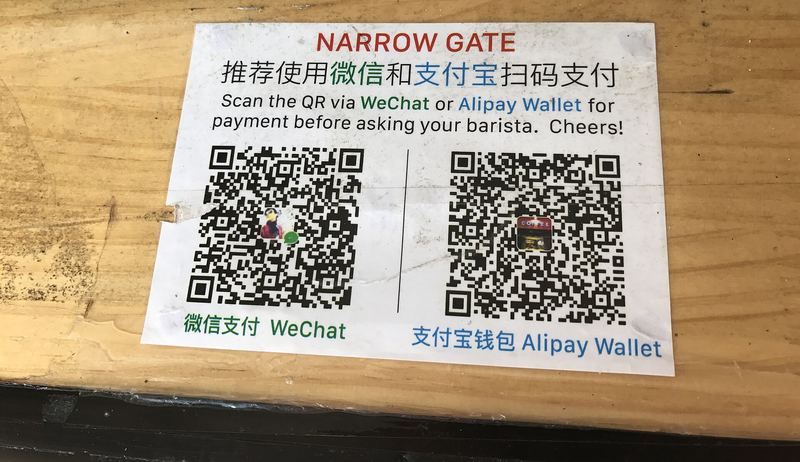
The first surprise is how completely card-based life has become, and the second is that your foreign plastic is no longer exotic. Set up a wallet app before you fly and most of this dissolves. Expect to scan codes rather than swipe anything, including when buying a ¥2 bottle of water.
It also means that fumbling for coins marks you immediately as newly arrived, in a way you probably didn’t intend.
Train stations work like airports
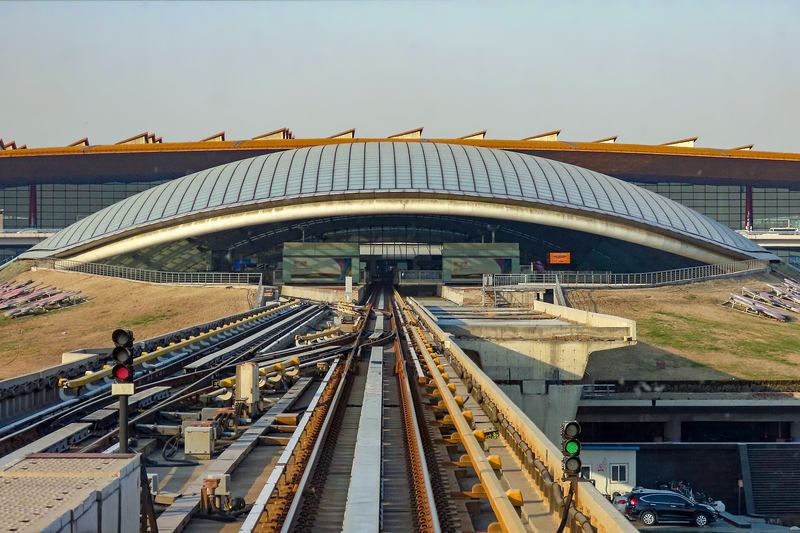
Major high-speed rail stations have security screening, bag X-ray, and passport checks before you reach the platform. Platforms usually open about twenty minutes before departure and close a few minutes before it. Your ticket is your passport — buying one online requires the same document you’ll board with.
Arrive thirty minutes early for intercity services. That sounds excessive until the day you don’t, and you discover that entering the right hall involves walking further than expected.
The toilets are fine, sometimes
Public toilet provision varies enormously, and this is the surprise that comes up most often in honest conversations afterwards. Shopping malls, metro stations, hotels and modern train stations have clean facilities, often excellent ones. Older city lanes and motorway service areas may have squat toilets and no paper.
Carry a small pack of tissues everywhere. It is advice that sounds grandmotherly and is deployed within about fifteen hours of arrival.
Tipping isn’t a thing
Nobody expects a tip. Restaurants, taxis, hotels and hairdressers all operate without it. In some situations an offered tip is politely refused and occasionally slightly confusing for the recipient. The exceptions are narrow: private guides and drivers on multi-day tours appreciate something, and high-end hotel staff increasingly accept it without surprise.
Queueing is negotiated, not observed
This is the one that genuinely flusters visitors, and it is worth understanding rather than judging. In many everyday situations there is no formally agreed single line, and position is asserted rather than queued for. Visitors standing patiently at what they believe to be the back can find themselves going backwards.
The adaption is mild assertiveness. Stand where the flow is, keep your personal space, and hold your position lightly. On metro trains, let people off before boarding even though this isn’t universally observed — it works either way.
Google is absent, and it matters less than you think
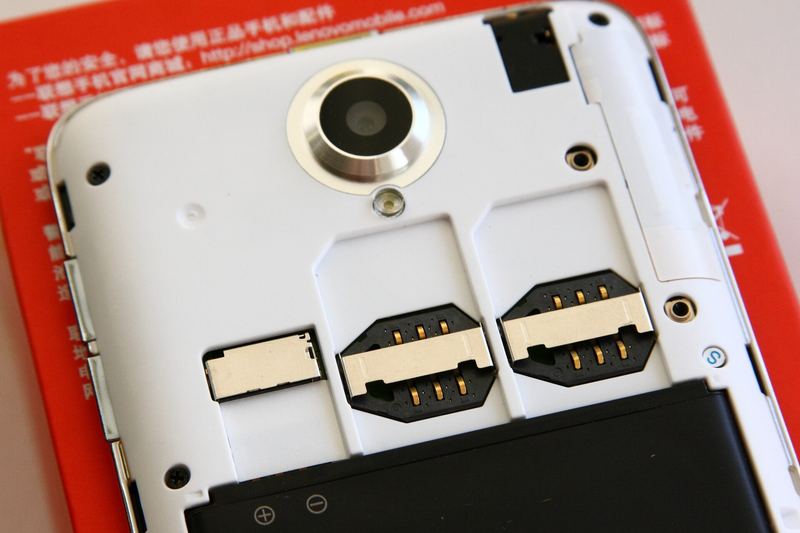
Google services, WhatsApp, Instagram and Facebook don’t work on a Chinese SIM without preparation. Before deciding what that means for you, sort the practical pieces: maps, messaging and payments. There are good local substitutes for navigation and for everyday logistics, and WeChat is unavoidable for anything involving coordination with another person.
Set up your communication tools before arrival rather than discovering the gap at the wrong moment.
English signage is excellent where you need it
Metro trains announce every stop in English. Airports and major rail stations are bilingual throughout. Road signs carry romanised names. The gap opens up in smaller city restaurants, where menus may have no readable version at all, and where pointing at what someone else is eating is a perfectly good ordering strategy.
The food won’t be what you expect
Chicken feet aside, the bigger surprise is regionality. Cantonese food, Sichuan food and Xinjiang food have about as much in common with each other as French, Thai and Moroccan do. Visitors who write off "Chinese food" after one bad hotel buffet have usually just eaten the wrong region.
Look for restaurants full of people eating at odd hours. It is the most reliable quality indicator in the country.
Things work better than advertised
Scale explains part of it. Beijing to Shanghai covers roughly 1,300 km in about four and a half hours on the fastest services, and through the middle of the day something departs every few minutes. A metro ride anywhere across central Shanghai costs between ¥3 and ¥9 depending on distance. None of that needs an app in English.
High-speed trains leave on time and arrive on time. Delivery arrives in twenty minutes. Metro systems are clean, cheap and run until late. Package delivery of anything from anywhere takes under two days and costs very little. The gap between the shiny infrastructure and the chaotic street-level behaviour isn’t a contradiction — both are true at once.
Questions people actually ask
How much English can I realistically expect?
In Beijing, Shanghai, Guangzhou and Shenzhen, enough to get through most tourist-facing transactions. Hotel reception, airports and metro stations are reliably staffed with English speakers. In smaller cities and especially smaller restaurants, you’ll frequently meet nobody who speaks it, and gestures plus a translation app will be the working method.
Is it safe?
Petty crime against foreigners is genuinely uncommon, and violent crime rarer still. The realistic risks are pickpocketing in crowded metro carriages and scams aimed at visitors in tourist areas. Late-night walking in major cities is less fraught than in most Western cities of comparable size, though visitors still raise their own risk by drinking heavily in unfamiliar areas.
How many days should I plan for?
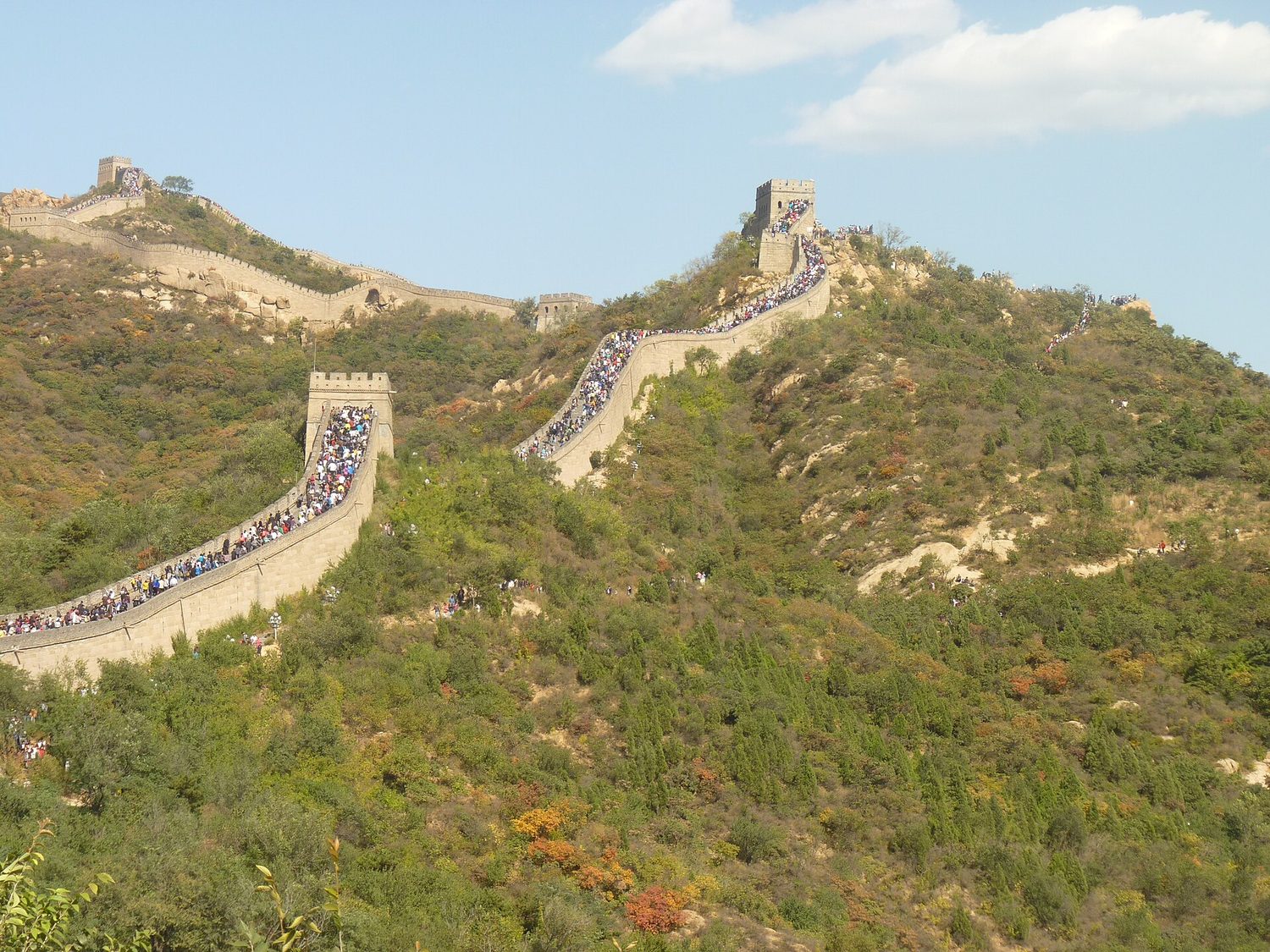
Two weeks covers a satisfying first loop at a comfortable pace: Beijing, Xi'an and Shanghai with a landscape stop in between. One week works if you pick two cities and accept you are seeing very little countryside. Anything under five days is a business trip with one sightseeing afternoon, and it is worth being honest with yourself about that upfront.
Written for travellers arriving for the first time on a standard tourist route.