Shanghai In Three Days: Arriving, Sleeping Right, And Spending Well
The one Chinese city that behaves the way visitors expect China to behave — until you notice how much of it is a 20-year-old construction project. Here’s where to stay and what the money buys.
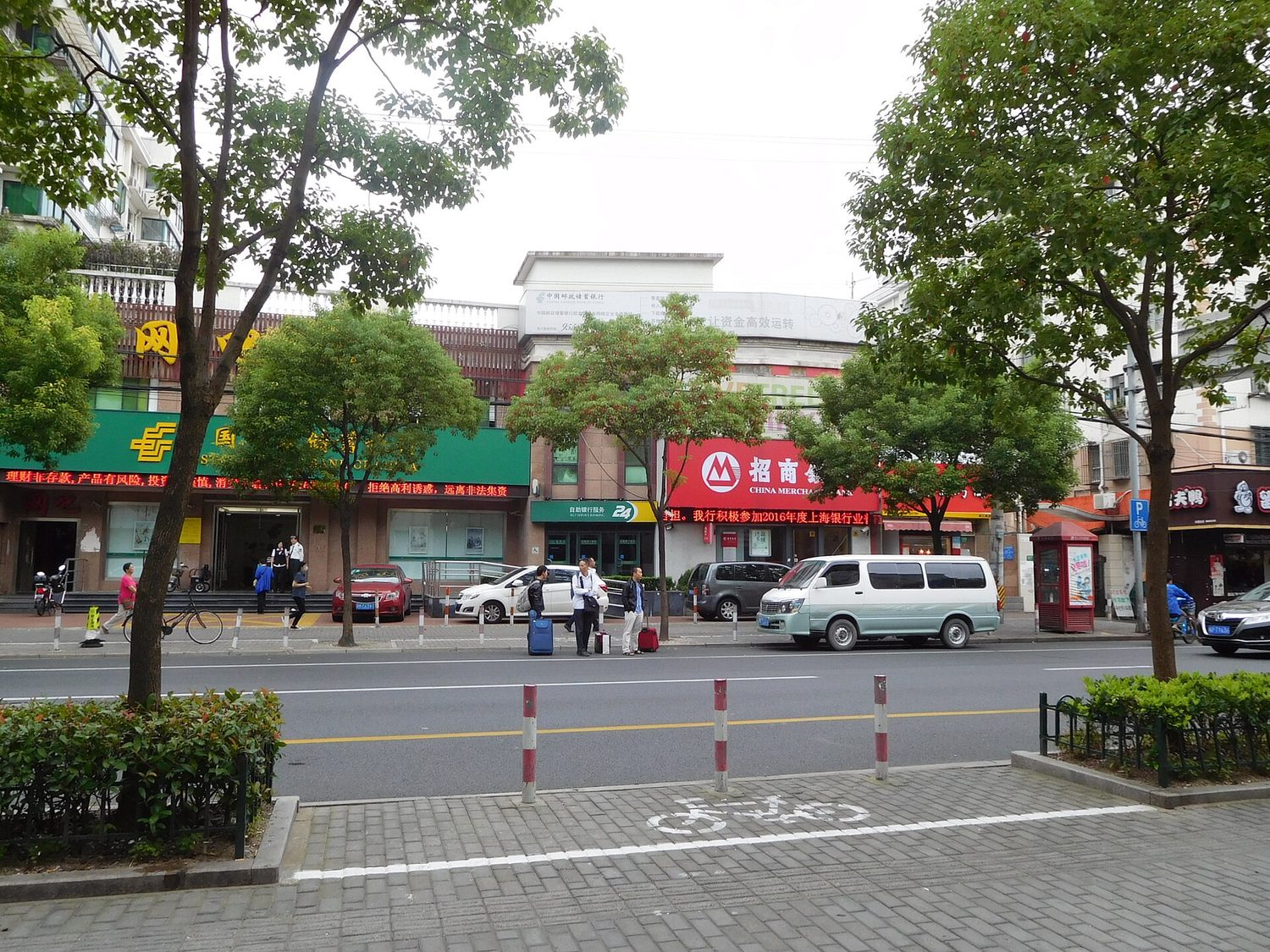
Shanghai is the easiest big Chinese city to arrive in and the hardest to pin down. The Bund gives you the postcard — 1930s banks on one bank, glass towers on the other — but twenty minutes inland the real city is plane trees, laundries hanging over the pavement, and grandmothers buying a single spring onion because that’s all today’s soup needs.
It rewards three days. Two feels like a business trip; four starts to run out of first-tier things unless you add Suzhou or Hangzhou, both under an hour away by train.
Arriving: Pudong, Hongqiao, and the maglev question
Pudong (PVG) is about 45 km east. Metro Line 2 takes roughly 70 minutes and ¥7 to get downtown. The maglev does the same trip in 8 minutes at ¥50, which sounds like an obvious win until you notice where it ends: Longyang Road, out in the south-east, where you then change anyway.
Hongqiao (SHA) is only 13 km west and is by far the better arrival — Lines 2 and 10 put you in the centre in about 40 minutes for ¥4–6, and the airport sits on top of the high-speed rail station, so you can walk from a domestic flight onto a train to Hangzhou. If you can choose a flight into Hongqiao, choose it.
Getting around
The metro runs to twenty-odd lines and well over 800 km of track, fares land between ¥3 and ¥10, and announcements are in English with English signage throughout. It is, without competition, the fastest way across town. Taxis start around ¥16–18 and a cross-city ride in the evening can hit ¥80; the metro does it for ¥6.
| From Hongqiao | Journey time | Second class |
|---|---|---|
| → Hangzhou East | 45 – 60 min | ¥73 – 93 |
| → Suzhou | 25 – 40 min | ¥39 |
| → Beijing South | 4h18 – 5h55 | ¥553 – 662 |
| → Huangshan North | about 3h | ¥190 |
That table is the reason to base yourself near Hongqiao if you’re planning day trips — Suzhou in 25 minutes and Hangzhou in under an hour means those cities are realistically a morning decision rather than a packed itinerary.
Where to stay
Stay in Puxi — the west bank. The former French Concession (around Wukang Road and Ferguson Lane) is the most pleasant area in the city to walk, Jing’an puts you near the metro crossroads, and the Bund flank gives you the view at a price. Mid-range doubles run ¥600–1,000; a boutique room in a restored lane house is ¥900–1,500.
Pudong is cheaper per square metre and emptier after dark. It makes sense for a two-night work trip with a conference centre attached. It does not make sense as a sightseeing base, because you’ll cross the river twice a day.
What it costs to be here
A basket of soup dumplings is ¥30–50. A flat white in an independent café is ¥35, which annoys everyone who remembers ¥20. Cocktails in a decent bar run ¥80–120. The Bund itself is free, the Shanghai Tower observation deck is ¥180, Yu Garden is ¥40, and the Power Station of Art — a former power station turned contemporary museum — is free or nearly so depending on the show.
Budget ¥800–1,200 a day for a comfortable independent trip including a mid-range room. You can do Shanghai on ¥400 if you eat where office workers eat, which is also where the better food is.
Season, and what the weather really does
March to May and September to November are the months to aim for. July and August push 35°C with humidity that makes a 500-metre walk feel like exercise, and January is cold and damp in a way that gets into buildings with no central heating. Late September brings typhoon risk — watch the forecast if your dates are fixed.
Mistakes people repeat here
- Booking a Pudong hotel because the photos look impressive, then crossing the river twice a day.
- Assuming the city is old. Shanghai’s genuinely historic core is small; most of what you’ll see was built after 1990.
- Treating Nanjing Road as the shopping destination it advertises itself as. It’s a pedestrianised ritual, not a market.
- Not booking high-speed rail ahead. The Hangzhou and Suzhou trains are frequent, but weekend afternoons do sell out.
Questions people actually ask
Is Shanghai worth it if I only have two days in China?
It depends what you came for. If you want the China of the postcards — temples, walls, landscapes — spend those two days in Beijing or Xi’an. If you want the version of China that runs on coffee, credit and 24-hour delivery, Shanghai is the one that will make sense to you fastest.
How early should I arrive at Hongqiao for a high-speed train?
Thirty minutes is comfortable for domestic high-speed with a passport; add ten if you’re checking a bag, because the security queue at the rail station is separate and can be slow at peak hours. The airport and rail station share the building, so you can do both in one trip.
Can I tap a foreign card on the metro?
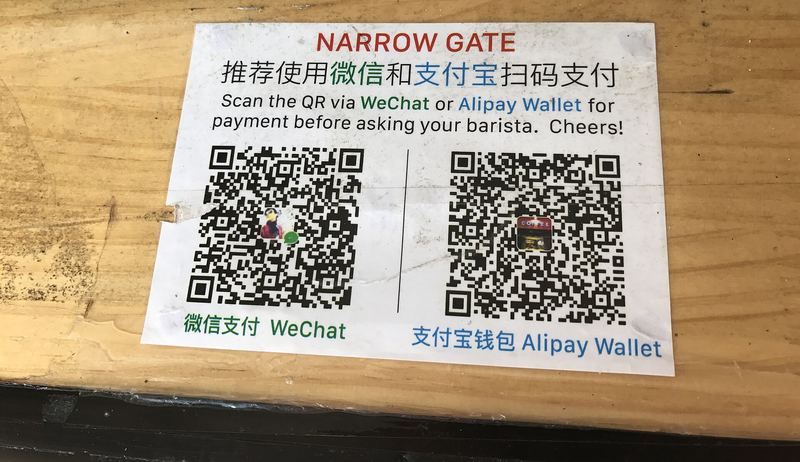
Increasingly yes — contactless Visa and Mastercard work at a growing share of gates, and every station has ticket machines that take cash and cards. That said, set up a wallet app before you land; QR payment is still what everything else in the city assumes you have.
Fares, entry prices and journey times checked against operator timetables and official ticketing in September 2026. The metro network keeps extending; line numbers matter more than they used to.