Harbin In Winter: Ice Festival Prices And How To Stay Warm
A city that treats −25°C as ordinary. Two and a half weeks of ice sculpture, Russian architecture, and the best bread in north-east China.
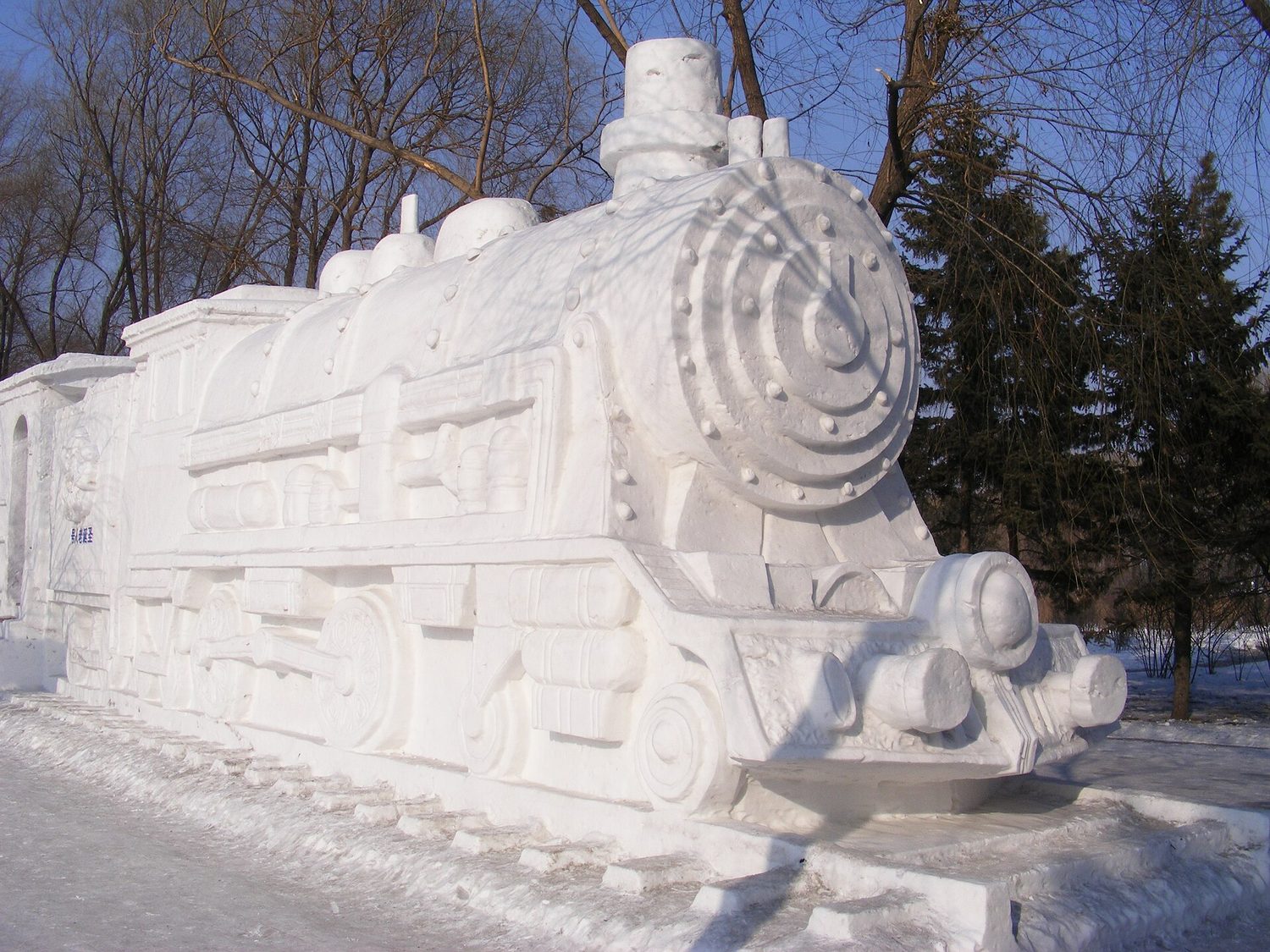
Harbin is where China goes to be cold on purpose. January averages around −18°C and can drop to −30°C at night, and the city has built an entire winter industry on that fact: a festival of ice structures the size of cathedrals, lit from inside, rebuilt every year from blocks cut out of the frozen Songhua River.
It is not only the ice. Harbin was a Russian railway town for thirty years, and the centre still has onion domes, a 1907 cathedral, cobbled streets and a bakery culture that nowhere else in China has. The combination of -25°C and decent black bread is peculiar and worth the flight.
When to go, and what it costs
| What | Price | When |
|---|---|---|
| Ice and Snow World, daytime | ¥330 | Early January to late February |
| Ice and Snow World, evening | ¥330 – ¥390 | The lights are the point, so go after dark |
| Sun Island snow sculpture park | ¥240 | Same season, daytime only |
| Harbin Ice Festival opening | Included | Around 5 January, crowds at their worst |
| Yabuli ski resort, day pass | ¥400 – ¥600 | 2 hours 20 minutes by train |
| Saint Sophia Cathedral | ¥20 | Open year round, exterior free |
The ice park is built at night and read at night. Go at 17:00, watch it switch on, and give it three hours. Tickets are sold in timed slots online, and on the weekend before the Spring Festival they sell out days ahead. A full evening including the return taxi lands around ¥450 per person.
Getting there and getting warm
Harbin Taiping airport is 35 km south-west of the centre; the airport bus is ¥20 and takes 50 minutes, and a taxi is ¥100–130. High-speed trains from Beijing take about 5 hours from Beijing Chaoyang for ¥550–600, and there are overnight services from Shanghai. The main station is on metro line 2, one stop from the ice park shuttle.
On clothing, the local rule is three layers and no cotton next to the skin. Thermal base layer, fleece, then a down coat that reaches your knees; boots with a thick sole and room for two pairs of socks; gloves, a hat that covers your ears, and a scarf you can pull over your nose. Rented coats at the ice park cost ¥50–100 and are worth it if you flew in from Guangzhou.
The rest of the city
Central Street, the cobbled pedestrian spine of the old town, is free and better in daylight, with the cathedral ten minutes off it. The Songhua is frozen solid enough to walk on by mid-January, and locals do, dragging sleds and drilling holes to fish. Entry to the riverside park is free and the atmosphere is the attraction.
For food, order guo bao rou — slices of pork in a sweet-sour glaze that shatters when you bite it — at around ¥40–60 a plate. Harbin red sausage is sold by weight in the market for ¥60–90 a jin, and the ice cream sold on the street in the middle of winter is a local ritual at ¥5–15 a cone. Breakfast is bread, butter and a bowl of hot soy milk.
Two nights or three?
Two nights covers the ice park, Central Street, the cathedral and a morning on the river. A third night is for Yabuli, which is two and a half hours away by high-speed train and offers the only real skiing within reach; a day pass plus rental comes to ¥600–900 and the train is ¥50–90 each way.
Hotel prices are the shock in this city. A mid-range room that costs ¥400 in October is ¥900–1,500 during the festival, and the same is true of flights. If you can shift your trip to the last week of February, the ice is still standing, the crowds have gone, and everything is cheaper.
Harbin: the Russian century, the ice, the -20°C kit
Harbin wears its Russian inheritance openly — onion domes, bread as a staple, a winter festival that out-builds the competition in frozen water. At minus twenty, city walking becomes interval training. What do you pack that actually matters? Windproof outer layers, thermal insoles, and the discipline to go indoors every ninety minutes.
- Ice and Snow World (from ¥328, late Dec to Feb): arrive 3:30 p.m. — you get blue-hour photos, the switch-on at dusk, and the lights before your fingers quit.
- Central Boulevard (Zhongyang Dajie) is free theatre: baroque facades, street ice sculptures, and a Madie’er popsicle (¥5) eaten outdoors at any temperature — yes, even now.
- Saint Sophia Cathedral photographs best from the square at dawn; interior entry (¥20) is modest, the pigeon-wheeling exterior is the icon.
- Cross the frozen Songhua River on foot from Stalin Park — ice slides, tug sleds, bicycle-sleigh taxis (¥30–50) — then warm up in the Russian-style Churin store.
- Unit 731 Museum (free, reserve ahead) is a sober, well-built documentation of the wartime biological warfare site; allow two quiet hours.
Harbin food: big plates, big smoke, big cold
Northeast cooking portion-sizes for farmers facing a blizzard: crispy-sweet pork, smoked red sausage, stews that arrive in the pot they cooked in. A dish here could feed two southerners. Which three things are non-negotiable? The sausage, the pork, and something frozen for dessert.
- Guobaorou at Lao Chu Jia (¥48): pork strips fried to a crackle then glazed sweet-sour — Harbin’s signature, ordered at every table.
- Hong chang red sausage from Churin or Lilidosi (¥25–30 a stick), smoked, garlicky, eaten with a local Harbin beer.
- Tie guo dun, "iron pot stew" (about ¥80 a head): chicken or ribs with corn, potatoes and bread dough stuck to the pot lid, cooked over wood fire.
- Madie’er popsicle (¥5) and frozen pear (¥8) — dessert at -15°C is a local genre, not a stunt.
Northeast dialect: comedy in every sentence
Dongbei-hua is the stand-up comedy dialect of China — loud, vivid, allergic to formality. Nationally it sounds funny; locally it is just Tuesday. The pattern to catch is intensity words: everything is either old, extremely, or crazily good.
| Standard | Harbin says | Sounds like | Meaning |
|---|---|---|---|
| gànshénme | gàn há | gahn hah | what are you doing |
| hěn hǎo | lǎo hǎo le | lao how luh | really good |
| fēicháng | zéi | dzay | extremely (lit. "thief") |
| hěn lěng | gāgā lěng | gah-gah lung | bone cold |
| hǎochī | zéi hǎochī | dzay how-chr | insanely tasty |
When the noodle seller says "zéi hǎochī" about her own bowls, that is not marketing — it is the highest adverb the region owns. Believe it once; you will believe it twice.
Questions people actually ask
How cold does Harbin actually get?
January daytime sits around −12°C to −18°C and the nights reach −25°C or lower. It is a dry cold rather than a damp one, so with proper layers it is far more manageable than the number suggests. Wind is what makes it hurt.
Is the ice festival worth the ticket price?
The evening ticket is, because the sculptures are lit from inside and that is the whole effect. Pair it with the daytime snow sculpture park on Sun Island only if you have a second day, since both are outdoor and you will be tired.
What should I wear?
Thermal base layer, fleece, knee-length down coat, thick-soled boots with room for two pairs of socks, gloves, ear-covering hat, scarf. Buy hand warmers locally for ¥5–10 a pair. Anything cotton next to your skin will make you colder once you sweat.
Ice festival dates and ticket tiers change each season with the weather; the prices below reflect the most recent full season.