Getting Around Chinese Cities: Metro, Taxi, And When To Stop Walking
The cheapest, fastest transport most visitors will ever use — and the two things about it that are genuinely confusing on day one.
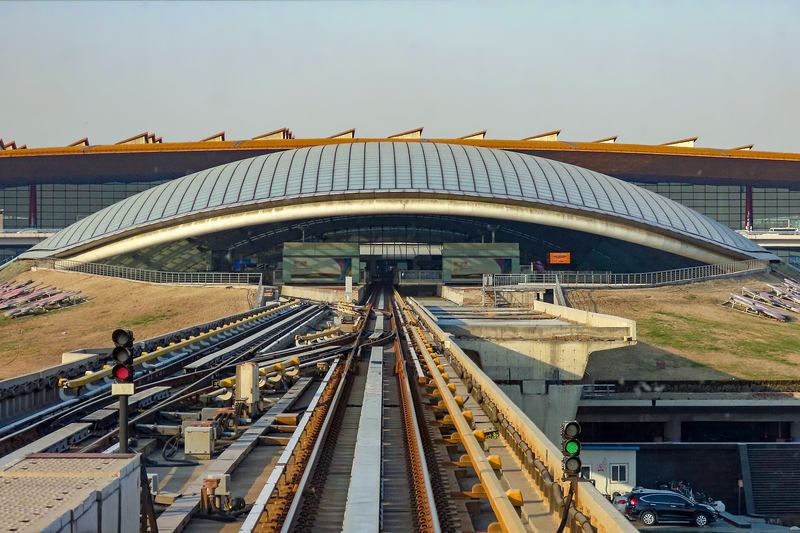
The first metro ride in China is not hard, it is just unfamiliar. You go through a body and bag scanner to get into the station, tap a card or a QR code to reach the platform, then pick an exit — labelled A, B, C and often a dozen permutations — that decides which side of a six-lane road you surface on. Everything after that is repetition.
Why it matters: metro fares sit somewhere between ¥3 and ¥9 for almost every journey you will make, versus ¥13 upwards for a taxi before it moves. On a ten-day trip that difference is a restaurant meal. And on the routes people actually take, the metro is faster, because city traffic in China is not reliably fast at 18:00.
Getting through the barrier
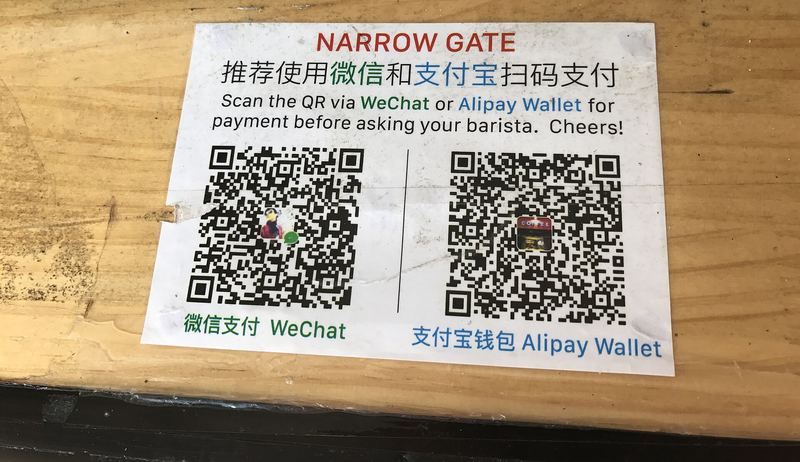
Three ways in, and you should try them in this order. First, tap your phone or card if it is already in your wallet — the major Chinese cities accept UnionPay and increasingly overseas cards at the gate. Second, and more reliable for a visitor, open the transport mini-program inside Alipay or WeChat and scan the QR code it generates at the barrier; it registers you, bills your usual payment method and needs no deposit. Third, buy a single-ride token from the machine: pick the destination station on the map, pay, and the machine drops a plastic disc or card you tap at entry and feed into the slot at the other end.
I keep a ¥50 note folded in a jacket pocket purely for machine days. They take notes and coins, they are touchscreen and they have an English button in every big-city station, but the machine nearest the entrance is the one with a queue, and the ones further down the hall are empty.
Key facts
- Single ride, typical city
- ¥3–9 depending on distance
- Day cap after multiple rides
- Roughly ¥25–35 in most networks
- Security check
- Every station, always, bags included
- Eating on board
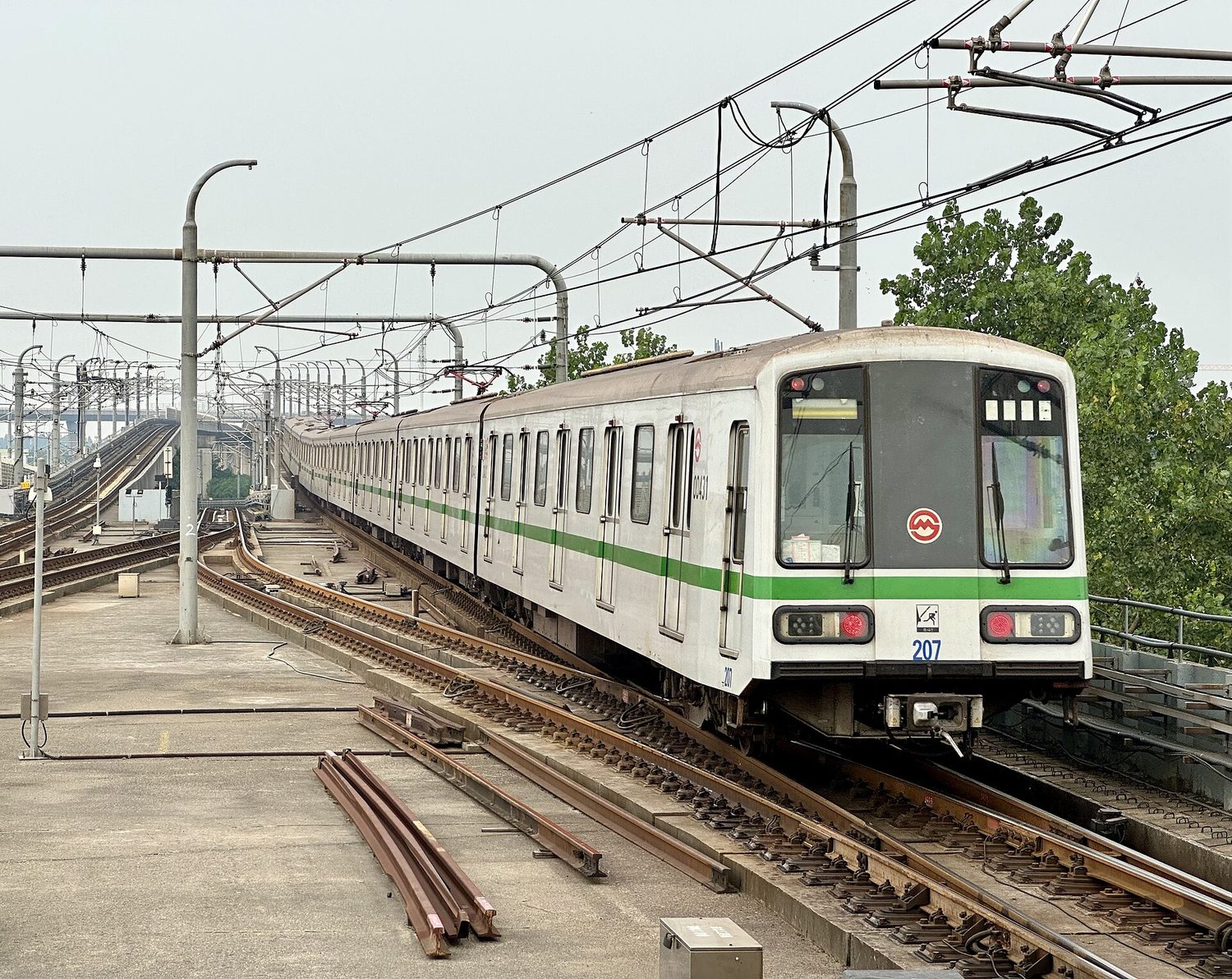
- Banned on many networks, including Shanghai
- Last train
- Usually 22:30–23:30, earlier on branch lines
Reading the network without reading Chinese
Lines have numbers and colours, interchanges are drawn as little transfer symbols, and every platform shows the end-of-line terminus — which is the trick worth knowing. A Chinese display rarely says "northbound"; it says where the train finishes. In Beijing that means watching for Dongzhimen or Xizhimen rather than a compass point, and the station walls tell you the terminus in Latin script as well.
Interchange walks vary from thirty metres to ten minutes. Beijing South, Shanghai People’s Square and Guangzhou’s big downtown interchanges are underground shopping streets at rush hour. If you have a train to catch, add ten minutes; if you have luggage, look for the lift before you are standing at the stairs with it.
The last train is the single most common way visitors lose money. It leaves earlier than most European networks — often around 22:30 on outer branches — and the doors close while you are still on the escalator. If your evening involves dinner and then drinks, check the return time on the way out, not on the way home.
When a car is worth it
| Situation | Best choice | Why |
|---|---|---|
| Crossing the centre in daylight | Metro | Predictable 20–40 minutes regardless of traffic |
| Four people, one destination | Didi or taxi | Split four ways it costs less than four metro fares |
| First or last three kilometres | Taxi / app car | The metro gets you near, then you walk fifteen minutes |
| Rain, luggage, or 22:00 onward | App car | Metro nodes close; hailing on the street fails in the rain |
| Sightseeing along a lake or river | Walk + dockless bike | The interesting part is exactly where the line does not go |
Taxis are metered and cheap by any European standard — roughly ¥13–14 for the first three kilometres in Beijing and Shanghai — but hailing one in the rain is a sport you lose. Use Didi instead: the app has an English interface, accepts foreign cards, and once you set your destination in English it gamely produces the Chinese address for the driver, which solves the pronunciation problem in one move.
One warning, and it is practical rather than moral. At airport arrivals and outside major stations, drivers approach travellers in the queue offering a fixed price. It is always higher than the meter, sometimes by three times, and the journey is identical. Walk past them to the signed rank.
Buses, bikes and the last kilometre
City buses cost ¥1–2 and are genuinely useful in one situation: a route along the river or lake where the metro never went. Otherwise skip them, because the stop announcements are in Chinese and the driver will not be able to tell you where to alight. Dockless bikes solve the last kilometre instead — Hello, Meituan and Qingju bikes sit in painted bays on most pavements, unlock by QR, and cost about ¥1.50 for half an hour. They are also how you see a city properly: you notice the second bridge on a bike, not in a tunnel.
What I would do on arrival day
Buy one single journey from the machine so you understand the map and the token. Then, before you leave the station, set up the QR transport pass in whichever wallet app you installed on the plane. Everything after that is a tap, and you will not be queuing at 22:00 with a train to catch.
Questions people actually ask
Do Chinese metros have English signage?
Yes. Station names, line numbers, directions and exit letters are all shown in Latin script, and the ticket machines have an English mode. Announcements in English are common on major lines.
Can I use a foreign contactless card at the gate?
Increasingly yes in Beijing, Shanghai and Shenzhen, but coverage is uneven. The reliable fallback is the transport QR code inside Alipay or WeChat, which needs no deposit and works on every network we have tested.
How much should I budget for transport per day?
In Beijing or Shanghai, ¥20–40 covers a realistic day of metro rides and one short taxi hop. Add ¥100 if your plans include an airport run by car.
Is the metro safe late at night?
Yes, and notably busy until the last trains leave. The practical risk is missing the last service rather than anything else — check the return time before you set out for the evening.
Are there priority seats, and do people use them?
Carriage ends are marked for elderly, pregnant and disabled passengers, and younger riders generally move. Taking one during rush hour is the kind of small rudeness that gets noticed.
Fares below are typical 2026 bands for Beijing and Shanghai; other cities run slightly cheaper. Buy at the machine on your first ride and you will see the exact figure for your own journey.