Luoyang: Longmen Grottoes And The Peony Two Weeks
A provincial capital of thirteen dynasties that most travellers skip, an hour from Xi’an on the high-speed line. The grottoes alone justify the stop.
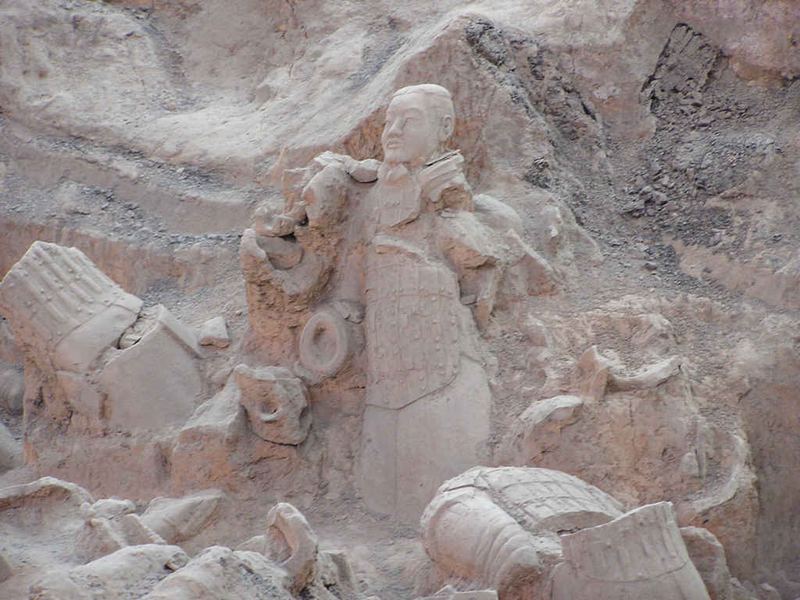
Luoyang was the capital of thirteen dynasties and the eastern end of the Silk Road, and almost nobody on a first trip to China stops here. That is a mistake worth correcting: the Longmen Grottoes, 12 km south of town, hold more than 100,000 Buddhist figures carved into a limestone cliff between the 5th and 8th centuries, and the site is a fraction as crowded as its reputation deserves.
It also sits on the main high-speed corridor between Xi’an and Zhengzhou, which makes it a one-hour detour rather than a separate journey. If you are travelling between Xi’an and Beijing or Shanghai, this is the stop that costs you least.
The grottoes, and how to see them
Entry is ¥90 and covers both banks of the river, which are connected by a footbridge. The west bank has the big set pieces, including the 17-metre Vairocana Buddha with its famously calm expression. The east bank has more caves, fewer people and a view back across to the west cliff that is the best photograph on the site.
| Sight | Price | Time needed |
|---|---|---|
| Longmen Grottoes | ¥90 | Three hours, longer if you climb to the top |
| White Horse Temple | ¥35 | Two hours, 12 km east of the city |
| Luoyang Museum | Free | Two hours, closed Mondays |
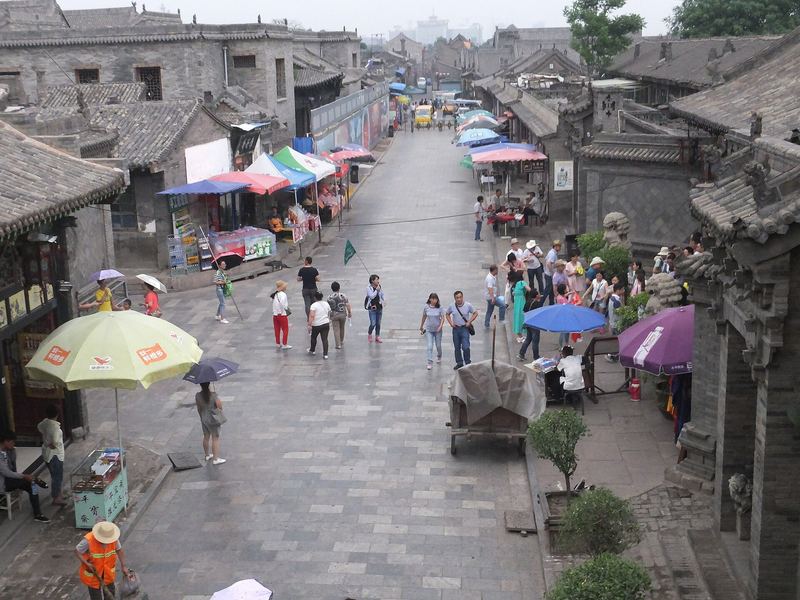
| Lijing Gate and the old town | Free | Evening, food street inside |
| Wangcheng Park, in peony season | ¥30 – ¥50 | The city’s main bloom display |
Get there early. Buses from the railway station take 40 minutes and cost ¥2, or a taxi is ¥35–45. Between 10:00 and 14:00 the walkway in front of the main Buddha becomes a slow queue; before 09:00 you can have the same view almost to yourself, with the river running below and the morning light on the east face.
The peony fortnight
Luoyang is the peony capital of China, and for roughly two weeks in the second half of April the city fills with flowers and visitors. Parks charge ¥30–50 during the bloom, and the festival is genuine rather than a marketing invention — some trees are over a century old and produce a hundred blooms each. Hotels double in price and should be booked a month out.
Outside that window the peonies are gone and Luoyang is a quiet, ordinary city with good food and one extraordinary archaeological site. That is a perfectly good reason to come.
Eating, and the water banquet
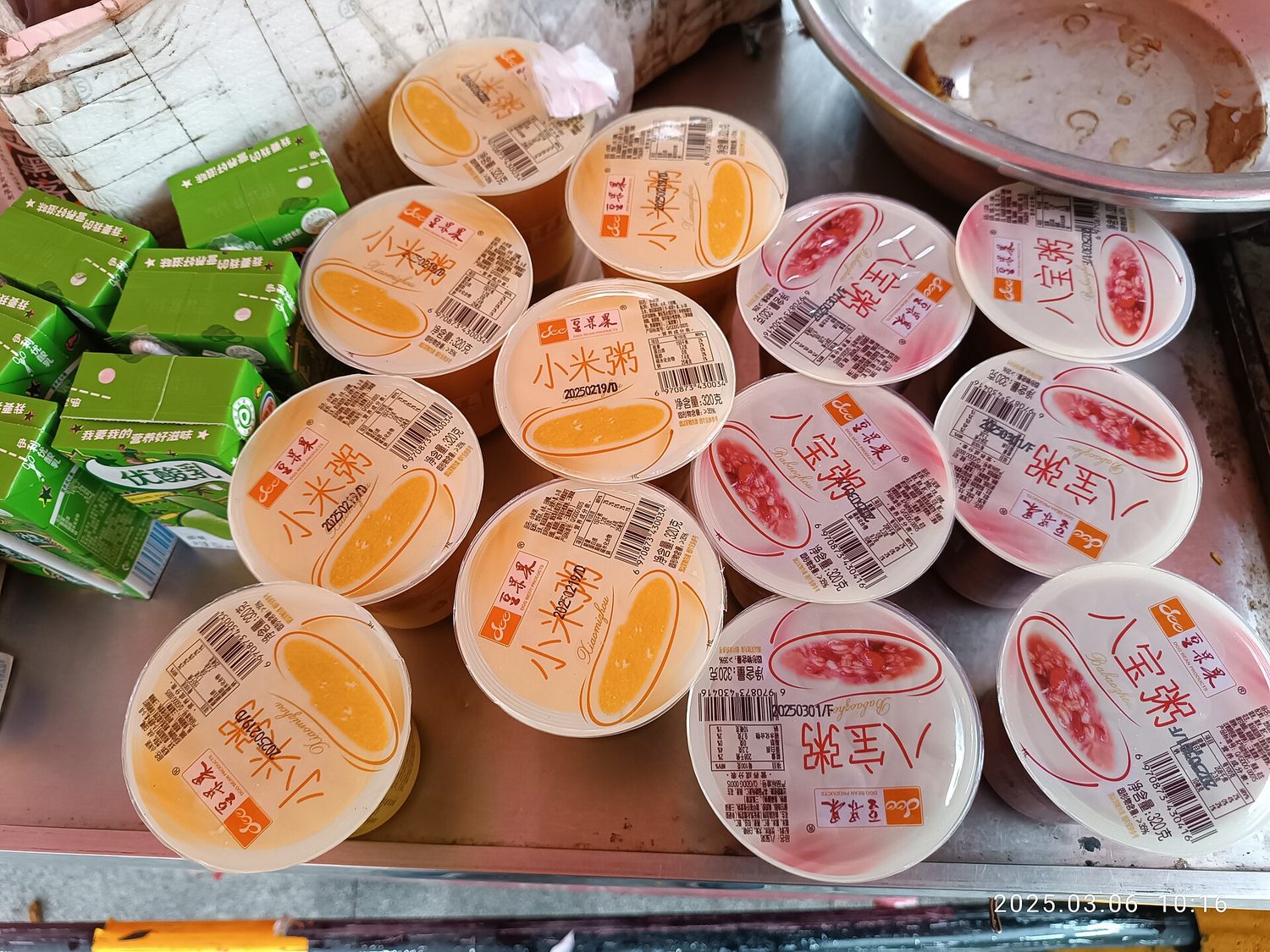
Luoyang’s signature meal is the water banquet, a sequence of 24 soupy dishes served one after another, traditionally ending with a sour soup that signals the end. A set menu for two runs ¥120–200 and is a genuinely local experience rather than a tourist one. For breakfast, hulatang — a peppery thick soup with beef and gluten — costs ¥6–10 and is the regional staple.
The food street inside the old town is better value than the restaurants facing the main road: ten skewers of lamb for ¥30, a bowl of noodles for ¥12, a cup of sour plum drink for ¥8. Most stalls are cashless, so have Alipay or WeChat Pay set up.
Getting there and what it adds up to
Luoyang Longmen station is on the Zhengzhou–Xi’an high-speed line: 40 minutes from Zhengzhou East for ¥65.50, 1h20 from Xi’an North for ¥174.50, and about four hours from Beijing West. The station is 4 km from the grottoes and 12 km from the city centre, with a metro line running into town.
A day here costs around ¥350–450: ¥200 for a mid-range room, ¥80 for food, ¥90 for the grottoes and ¥40 in transport. Two days is plenty, and if you are on a tight itinerary one day is enough to see the grottoes and eat well, which is more than most travellers manage.
Luoyang: capitals of thirteen dynasties, one long weekend
Luoyang stacks thirteen dynasties in a modest modern city, and most visitors treat it as a Luoyang-plus-Longmen day trip. Give it two days: the grottoes take a morning, the museums and old town deserve an evening. When do the grottoes forgive you for arriving late? April peony season — never; every other month, by night ticket.
- Longmen Grottoes (¥90): enter at 8 a.m. from the west bank, walk the ten-thousand-Buddha niches before the coaches, then cross the bridge for the east-bank view of the whole cliff.
- April–October night sessions at Longmen (same ticket or small add-on) light the great Buddha in warm floodlight — cooler air, tenth of the crowd.
- White Horse Temple (¥35): China’s oldest Buddhist monastery, plus Indian, Thai and Burmese-style halls built in the grounds — unexpected and photogenic.
- Luoyang Museum is free (book online), and the Tang gold and sancai camels justify the metro ride; two hours minimum.
- The old town crossing-street night market runs every evening: soup counters, puppet stalls, and the city’s sweetest people-watching.
Luoyang food: soup city, literally
Luoyang breakfasts on soup — beef, mutton, tofu — and considers this non-negotiable. The banquet dish is the water banquet, twenty-four courses where everything arrives in broth or floods with it. Which soup do you pick on a cold morning? Beef soup with pepper, bread torn in, ¥12 and radiating.
- Shuixi, the water banquet, at Zhen Bu Tong (from about ¥88 a head): twenty-four dishes, the famous peony-swimming-soup finale; go hungry, leave defeated.
- Beef soup at Ma Jieshan (¥10–12): pre-dawn queues, pepper-white broth, tear your own bread in — breakfast as the city intends.
- Jiāng miàntiáo, noodles in fermented mung-bean broth (about ¥10), sour in the right way; Luoyang’s comfort dish.
- Bùfān tāng (¥12), "no-flip soup" from the old-town night stalls: thin bean jelly sheets, blood curd, vinegar — midnight repair fuel.
Henan dialect: one syllable of approval
Henan-hua is blunt Central Plains Mandarin, and its most famous word is one syllable: zhōng, meaning yes, good, correct, agreed. Taxi conversations run on it. If you learn nothing else from this province, this word is a complete social toolkit.
| Standard | Luoyang says | Sounds like | Meaning |
|---|---|---|---|
| hǎo / xíng | zhōng | jong | yes, good, done |
| nǐmen | nèn | nun | you (plural) |
| gànshénme | nòng shá léi | nawng shah lay | what are you doing |
| shūfu | dé jìn | duh jeen | comfortable, great |
| duōshao | duōshǎo qián ya | duo shao chyen yah | how much |
Answer any proposal — another soup, an extra noodle, a shared taxi — with a firm "zhōng!" and the negotiation is over. One syllable, entire province.
Questions people actually ask
Is Luoyang worth a stop between Xi’an and Beijing?
For the Longmen Grottoes, yes. It breaks a long rail day, costs one night, and the grottoes are among the great Buddhist sites in Asia. If you are short of time, go straight through and save it for a second trip.
When exactly is the peony festival?
Roughly the second half of April, announced each year once the growers judge the bloom. Book hotels a month ahead for that window, and expect to pay double the normal rate.
How long do the Longmen Grottoes take?
Three hours for both banks at a reasonable pace, four if you walk up to the far end and back over the bridge. Tickets cover both sides and the small museum at the entrance.
Peony festival dates follow the bloom rather than a fixed calendar and are announced each March; late April is the reliable window.