Pingyao: A Walled Ming City You Can Sleep Inside
One ticket covers 22 sights, the wall is walkable end to end, and the town shuts its gates on tour buses by six. Two nights is perfect.
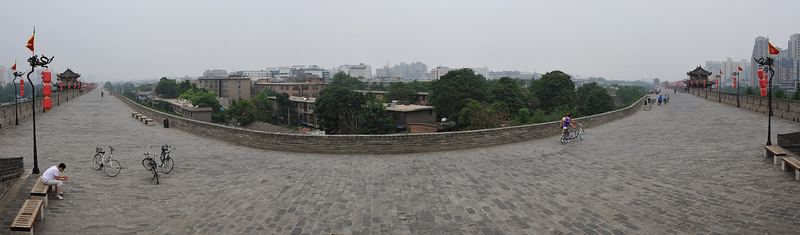
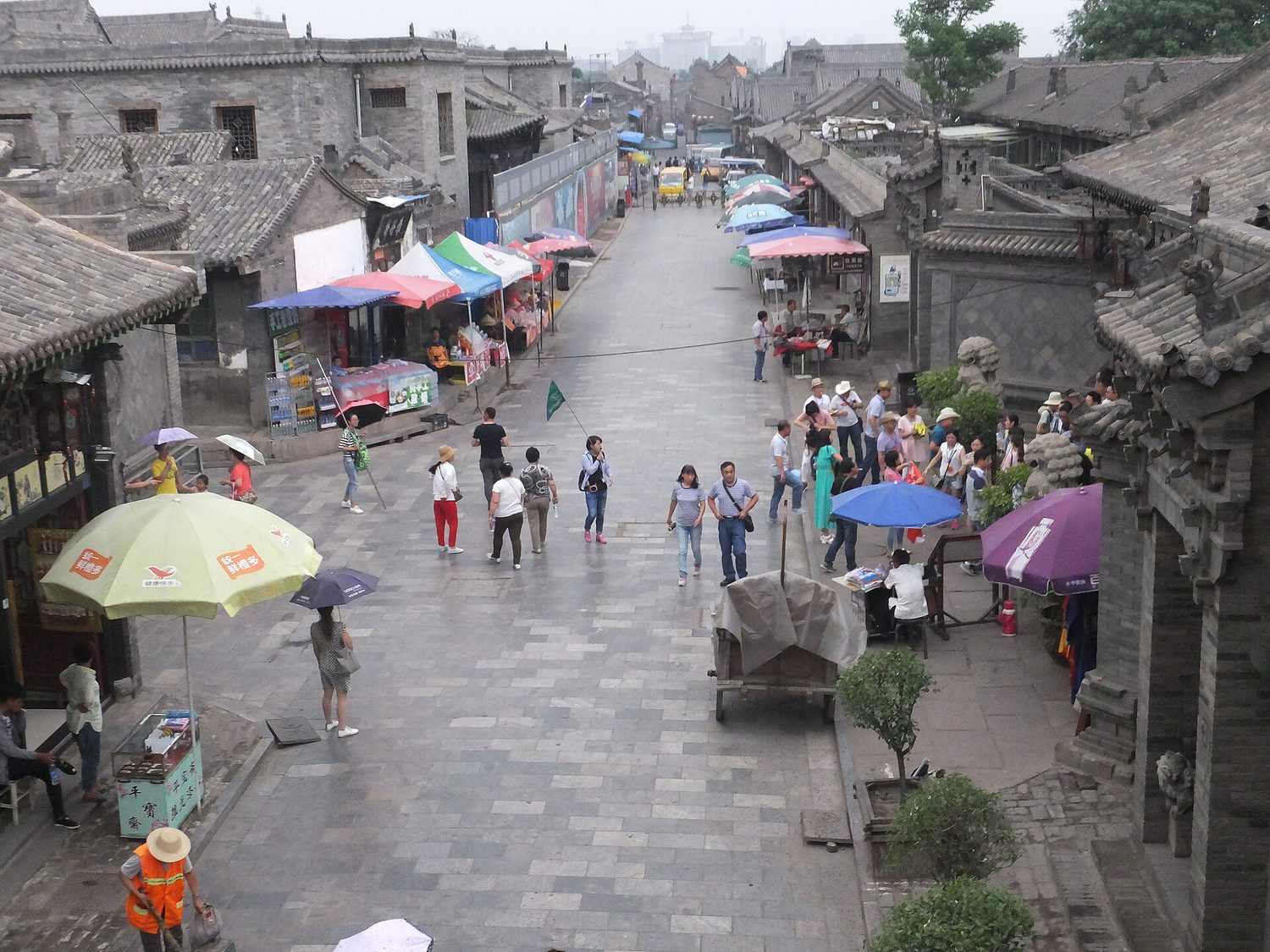
Pingyao is a complete walled city from the Ming and Qing dynasties, six kilometres around, laid out on a grid with a tower at each corner and 72 watchtowers on the wall itself. Two thousand families still live inside it, which is why it feels like a working town rather than a film set — bicycles, coal smoke in winter, a school letting out at four.
It was also the banking capital of China in the 19th century. The first draft bank in the country opened here, and the courtyard houses of the merchants who ran the system are the reason the town has so much to look at.
The ticket system, explained
You do not buy a ticket for Pingyao. You buy a through-ticket for ¥125 that covers 22 sights including the wall, the draft bank, the escort agency and the Confucian temple, and it is valid for three days. Sights still scan it individually, so losing it mid-visit means starting again.
| Sight | Covered by the ¥125 ticket? | Time needed |
|---|---|---|
| City wall, full circuit | Yes | 90 minutes on foot |
| Rishengchang draft bank | Yes | 45 minutes, the birthplace of Chinese banking |
| Armed Escort Agency museum | Yes | 30 minutes |
| Confucian Temple | Yes | 40 minutes |
| Shuanglin Temple, 6 km out | No, ¥35 extra | 90 minutes with transport |
| Zhenguo Temple, 12 km out | No, ¥25 extra | One hour |
| Wang Family Compound, 35 km out | No, ¥55 extra | Half a day with a driver |
Two of the outlying temples are the reason to allow a second day. Shuanglin holds around 2,000 painted clay figures from the Song dynasty, and Zhenguo is one of the oldest timber halls in China, with a roof structure that predates the Forbidden City by four centuries. Neither appears on the ¥125 list.
Arriving
Pingyao Gucheng station is on the high-speed line, 10 km from the old town, with a local bus for ¥2 and taxis asking ¥25–35. From Beijing West the trip takes about 3h20 for ¥220–260; from Xi’an North it is around three hours for ¥180. Trains are frequent enough to treat this as a stop between the two rather than a separate journey.
Guesthouses inside the walls are the whole point of staying here. A courtyard room with a kang bed runs ¥180–400, and the more atmospheric restored courtyards reach ¥700–1,200. Book one with a courtyard rather than a street-facing room, because the main lanes stay noisy until late.
Eating in a coal town
Shanxi’s other export is vinegar, aged in ceramic urns until it turns almost syrupy, and the workshops tucked behind the main street sell bottles for ¥20–60 after a tasting. Jin opera, a percussive and frankly loud form with clanging gongs and painted faces, plays most evenings in a small theatre near the Confucian temple for ¥50–120; the surtitles are Chinese, but the spectacle carries itself.
Shanxi food is about wheat, vinegar and long cooking rather than chilli. Order wan tuo, a buckwheat noodle dish served cold with vinegar at ¥10–15. Pingyao beef is cured and sliced thin, sold by weight at ¥60–90 a jin and worth taking away. Kaolaolao, a steamed oat noodle eaten with tomato sauce, is ¥20–30 and looks stranger than it tastes.
Breakfast in the old town means a bowl of millet porridge and a fried dough stick for under ¥10. Dinner for two with a bottle of local vinegar-heavy beer lands around ¥120–180. The restaurants on the main street are fine and twice the price of the lanes one block behind.
When to come
April to June and September to October are comfortable; summer is hot and crowded, winter is cold and quiet and the coal smoke sits low over the roofs. The town holds a photography festival in September, when hotels fill, and the Spring Festival brings lanterns and a temporary return of the drum performances.
Two nights is the right length. One night you see the wall and two courtyards. Three nights you have added the outlying temples and the Wang compound and are ready to move on. There is no nightlife to speak of beyond the main street, which shutters around 22:00.
Questions people actually ask
Do I need the ¥125 through-ticket?
For the wall, the draft bank and the main sights, yes, and it is the only way to buy them. If you are staying two days it pays for itself in the first afternoon. The outlying temples at Shuanglin and Zhenguo charge separately and are worth the extra.
Is Pingyao easy to reach from Beijing or Xi’an?
Very. High-speed trains from Beijing take about three hours twenty and from Xi’an about three hours, and the station is 10 km from the old town with buses and taxis waiting. It works well as a stop between the two cities.
Can I stay inside the old town?
Yes, and you should. Guesthouses in the courtyards run ¥180–400 for a room with a kang bed, and staying inside means you get the early morning and late evening when the lanes are nearly empty.
The through-ticket covers a fixed list of sights and is valid for three days; the list changes slowly as buildings close for restoration.