Dunhuang: The Mogao Caves, The Dunes, And When To Book
A desert oasis on the old Silk Road, where the caves need booking a month out and the sand dunes are walkable from town. Two days, three if you push to Yadan.
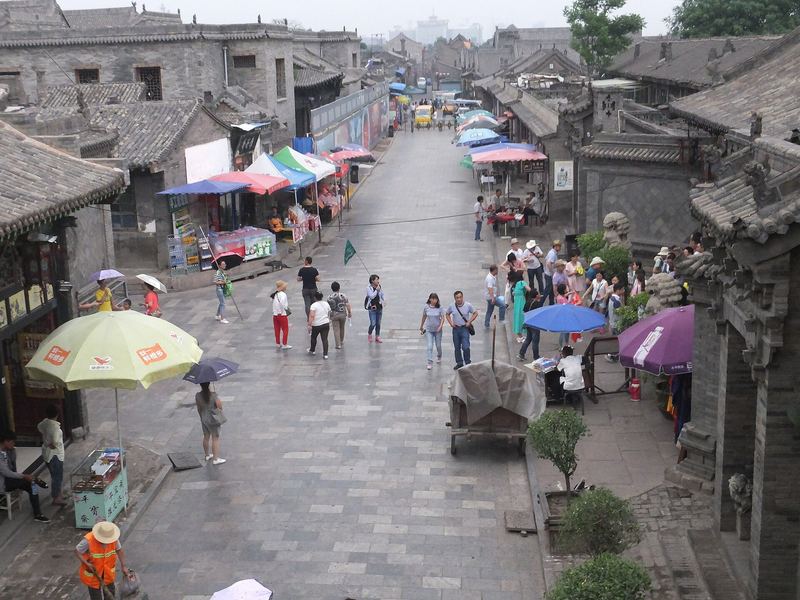
Dunhuang sits in a basin of gravel desert in Gansu, watered by a river that comes off the Qilian mountains, and it has been a stopping point for travellers for two thousand years. The town is small enough to cross on foot in half an hour. The reasons to come are outside it: 500 painted caves cut into a cliff, and a dune field that starts at the western edge of the streets.
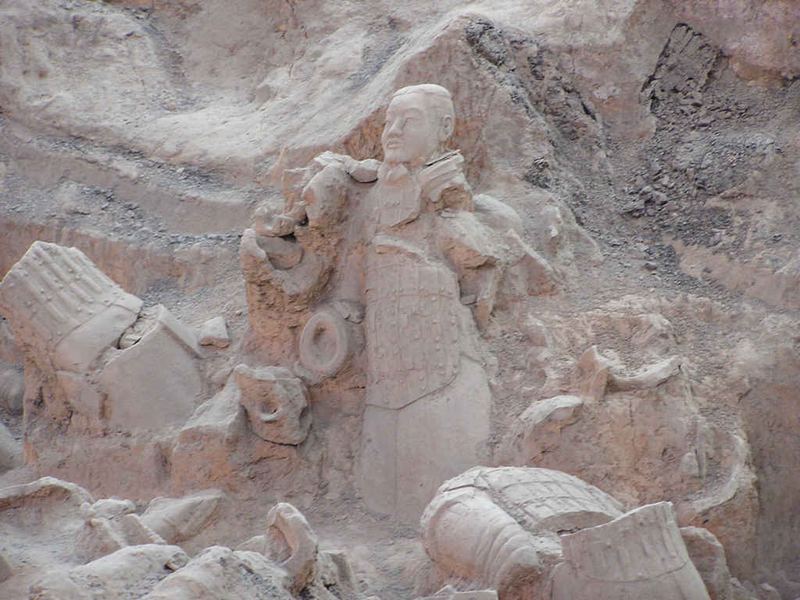
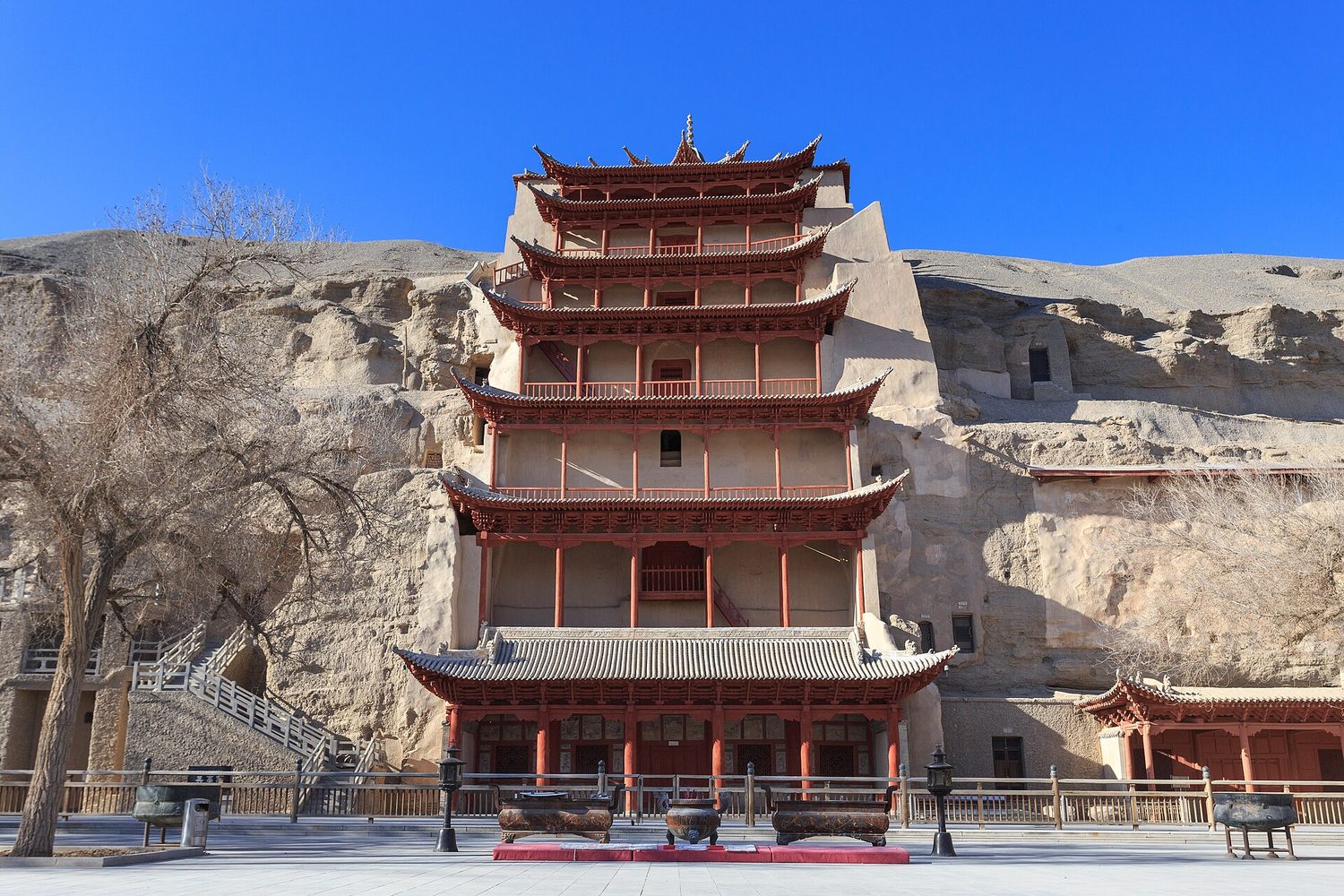
The caves are the serious part of the trip. Mogao holds around 45,000 square metres of murals painted between the 4th and 14th centuries, and access is tightly controlled: you visit with a guide, in small groups, and see eight to twelve caves depending on the ticket you hold.
Tickets, and the booking rule
| Ticket | Price | What you get |
|---|---|---|
| Mogao A, full visit | ¥238 | Two films, eight caves with a guide, about 3 hours |
| Mogao B, emergency ticket | ¥100 | Four caves, no films, released when A sells out |
| Mingsha Shan and Crescent Lake | ¥110 | Dune entry, three days validity |
| Camel ride at the dunes | ¥100 | About 40 minutes, buy at the gate |
| Yadan landform park | ¥120 + ¥70 shuttle | Three hours of desert by road, 180 km out |
| Yumen Pass and Han Great Wall | ¥40 | Two hours west, pairs with Yadan |
The A ticket releases 30 days ahead on the official booking channel and needs a passport number per visitor. In July and August it is gone within a day of release; in April it is available on the day. If you land without one, the B ticket is a genuine if truncated alternative, and it can only be bought in town.
The dunes, and when to climb them
Mingsha Shan is 5 km from the centre — a ¥20 taxi — and the ticket is valid for three days, which tells you something about the heat. Climb in the early morning or after 17:00. Camel trains set out in both windows for ¥100, and the ride is genuinely pleasant once you accept that it is a queue of camels rather than a private expedition.
Crescent Lake, the small spring at the foot of the dunes, has held its shape for centuries despite the sand. The paddle boats on it cost ¥60 and are not necessary. What is worth the effort is walking twenty minutes past the last camel stop, where the dune ridge is empty and you can hear the sand move.
Arriving, and what it costs to sleep
Dunhuang airport is 13 km east of town with connections through Xi’an and Lanzhou; a taxi is ¥30–50. The railway station is 13 km north-east and the high-speed service from Lanzhou takes about seven hours, which is a long day but crosses some remarkable country. From the station into town, buses run for ¥3 and taxis ask ¥40.
Hotels in the centre run ¥200–450 for a double, and the guesthouses on the edge of the dunes charge ¥400–800 for a room with the sand at the window. In summer everything doubles and books out, so if you are coming in July, reserve both the room and the cave ticket on the same day.
Eating, and the night market
Shazhou Night Market is the social centre of the town, a long aisle of skewers, apricot juice and cold noodles that opens around 18:00 and runs until midnight. Donkey meat noodles, the local dish, cost ¥20–30; lamb skewers are ¥5–10 each; a cup of pressed apricot juice is ¥8–12 and is the thing to drink here.
A day in Dunhuang works out around ¥500 per person: ¥150 accommodation, ¥140 food and drink, ¥140 entries and transport, plus whatever the camel ride costs. Renting a car and driver for the Yadan day trip is ¥600–900 for the vehicle, which splits four ways and is the only sensible way to do that particular excursion.
Dunhuang is a detour, not a hub: most travellers pair it with Xi'an on the Silk Road loop, or continue to Zhangjiajie after.
Dunhuang: desert light and a thirty-day booking
Two things book out in Dunhuang: Mogao Cave tickets and October hotels. Everything else — dunes, crescent lake, night market — flexes around you. How tight is the cave situation really? In August, the full 8-cave ticket sells out weeks ahead, and the emergency 4-cave ticket is what late planners get.
- Book Mogao Caves Class-A tickets (¥238, eight caves with a guide) up to 30 days ahead on the official site; A-tickets are capped daily and gone by mid-morning in season.
- Late planners: the emergency ticket (¥100, four caves, bigger groups) still delivers the Tang-dynasty highlights — just book it the night before, 7 a.m. entry.
- Mingsha dunes (¥110, ticket valid three days): go at 5:30 p.m., climb the ridge barefoot-ish in rented shoe covers, sandboard down, watch the crescent lake light up.
- Shazhou Night Market after 8 p.m. is dinner and theatre in one — lamb skewers at ¥3, apricot-pear tea at ¥5, sand artists working under lamps.
- Yumen Pass and the Yadan wind-city are a long day trip (3+ hours each way); only worth it if the desert itself, not just the caves, is the point of your trip.
Silk road supper: eating in Dunhuang
Dunhuang eating is Gansu wheat plus silk-road lamb, heavy on hand-pulled noodles and vinegar. Portions are farm-sized and prices are oasis-cheap. What is the one dish you cannot leave without trying? Donkey meat over yellow noodles — yes, donkey, and yes, you will think about it later.
- Lǘròu huángmiàn — donkey meat with hand-pulled yellow noodles in thick gravy — about ¥15 a plate at Shunzhang; the town’s signature plate.
- Hú yáng mèn bǐng (¥58 a pot): lamb braised under sheets of hand-torn flatbread, the bread drinking the broth; feeds two easily.
- Xìngpí shuǐ, smoked apricot-and-pear tea over ice, ¥5 a cup everywhere — the local sports drink of dune climbers.
- Night-market lamb skewers ¥3 each, cumin and chili, ordered by the handful; a roasted red willow-branch skewer means you are in the right alley.
Gansu flavour: how Dunhuang talks
Speech here leans Lanzhou-ward: blunt, dry-humoured, with "zǎ" doing the work of several questions. Everyone in tourism speaks clear Mandarin, but the noodle aunties keep their own speed. Two words below carry most market chatter.
| Standard | Dunhuang says | Sounds like | Meaning |
|---|---|---|---|
| zěnmeyàng | zǎ jià | zah jyah | how is it |
| lìhai | zǎn jìn | zahn jeen | impressive, strong |
| shūfu | mǎn fú | mahn foo | comfortable, satisfied |
| duōshao qián | jǐ ge qián | jee guh chyen | how much |
| hǎo | duì zhe ne | dway juh nuh | right, correct |
After the first bowl of yellow noodles, answer the inevitable "zǎ jià?" with "zǎn jìn!" — strong! — and the auntie will upgrade your next plate without being asked.
Questions people actually ask
How far ahead should I book Mogao Caves tickets?
Thirty days, which is when the window opens. In peak summer the A tickets are gone within a day, and there is no reliable way to get one after that — the ¥100 emergency ticket is what remains. Book before you book the flight.
Can I visit the dunes without a tour?
Yes, and it is easier than most people expect. A taxi from the centre is ¥20, the ticket lasts three days, and everything inside — camels, boats, sledges — is sold at the gate. There is no need to pay a tour operator for this one.
Is one day enough for Dunhuang?
One day gets you the caves and the dunes if the caves are in the morning. Two days lets you do both without hurrying and add the night market properly. The third day is for Yadan, which is 180 km out and takes a full day by car.
Mogao Caves releases a limited number of A tickets per day and sells out weeks ahead in summer; the quotas and prices below come from the September 2026 ticketing calendar.