City transport: metro, taxi and apps
How to ride a Chinese metro, when a taxi is faster, and which app locals actually use.
Chinese metros are the cheapest fast transport you will ever use — most trips cost less than a bottle of water — and they are also the most intimidating on day one: security screening at the entrance, lines that fan out across the city, and exits named by letter rather than street.
Once you have done it once it is obvious. Until then, these guides cover the things people lose time on: which exit to take at the big stations, when the last train leaves, why two stations in the same city are an hour apart, and when to give up and take a car.
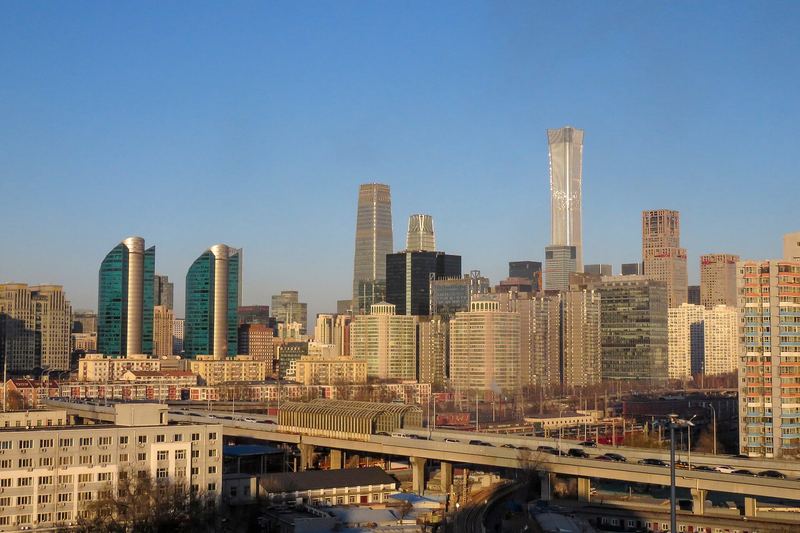
Beijing: How To Arrive, Where To Sleep, And How Many Days It Deserves
Arrive at the right airport, sleep inside the Second Ring Road, and give the Wall its own day.

Shanghai In Three Days: Arriving, Sleeping Right, And Spending Well
Stay on the Puxi side, ride the metro not the maglev, and treat Pudong as a visit rather than a base.
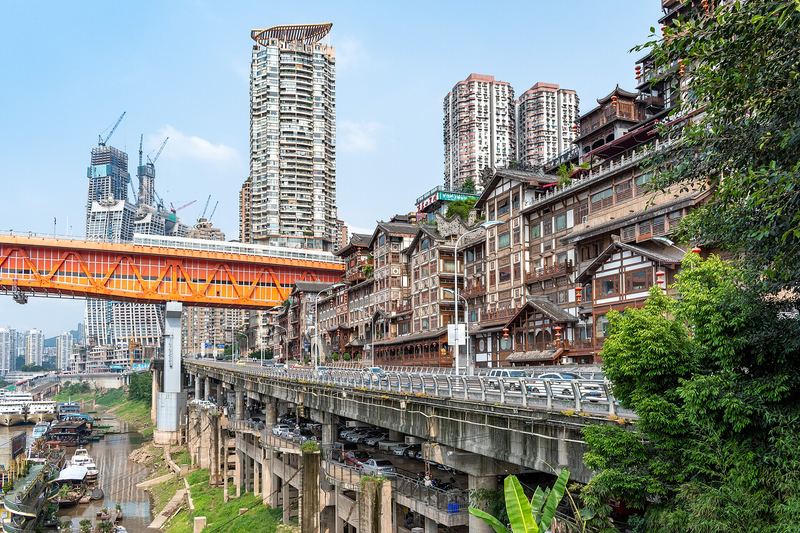
Chongqing: A City With No Flat Ground
Go for the nights: Hongya Cave, the cableway and a hotpot at midnight.
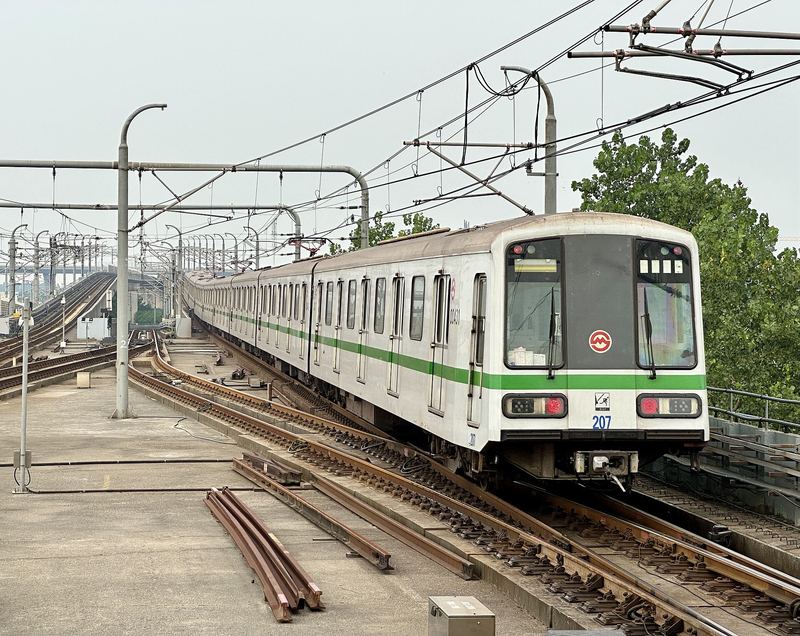
Getting Around Chinese Cities: Metro, Taxi, And When To Stop Walking
Learn the first ride properly and the other twenty take care of themselves.
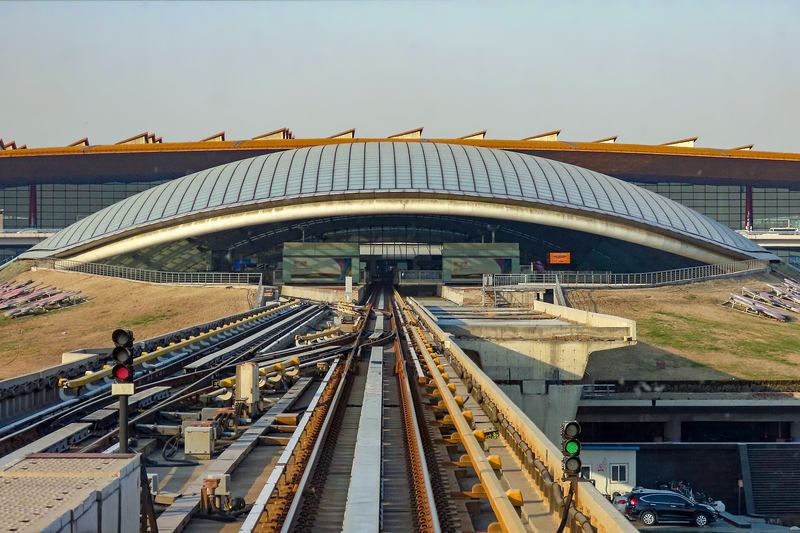
Beijing Airports To The City: Capital, Daxing And What Each Costs
The express train is ¥25 or ¥35 and beats a taxi at any hour except the middle of the night.
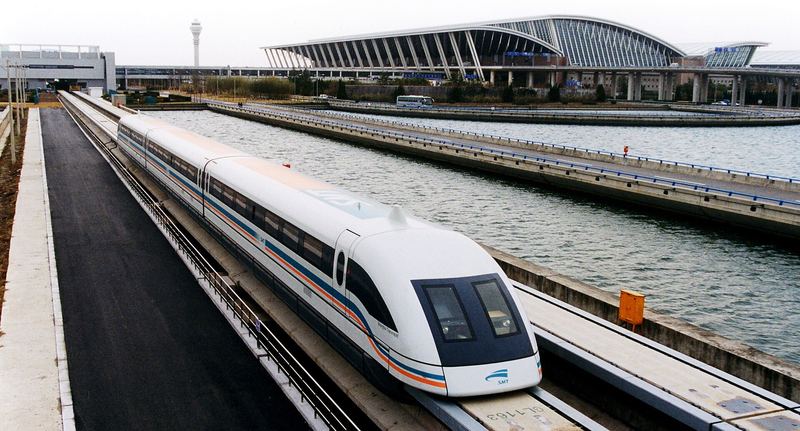
Shanghai Pudong To Central Shanghai: Maglev, Metro Or Taxi
Twenty to thirty minutes of planning saves an hour at the arrivals kerb.