Harbin To Beijing: Night Sleeper Or High-Speed Day Train?
The northeastern leg where taking the slow train is often the better idea — you sleep through it and arrive before breakfast.
Harbin to Beijing is the one intercity leg in China where the slower train regularly wins. The G-services cover the same track in under five hours and are comfortable; the sleepers take twice as long, leave after dinner, and replace both your transport and a night’s accommodation. If you can sleep on a moving train, the arithmetic is very hard to argue with.,If you cannot, it is a disaster: nine hours of jolting, a shared carriage with your own snoring section, and arrival at six in the morning with nowhere to shower. That is the honest trade, and knowing which traveller you are decides the question before any numbers come into it.
| Option | Elapsed time | Typical cost | What you get |
|---|---|---|---|
| G high-speed daytime | 4h30–6h | ¥450–550 second class | Views of the Manchurian plain, a real seat, arrival before dark |
| Hard sleeper, overnight | 9h–11h | ¥260–330 | A bunk, six to a compartment, no door |
| Soft sleeper, overnight | 9h–10h | ¥380–480 | Four to a compartment, a door, and actual sleep |
| Flight | 2h in the air | ¥500–1,200 | Usually more expensive and rarely necessary |
The high-speed services
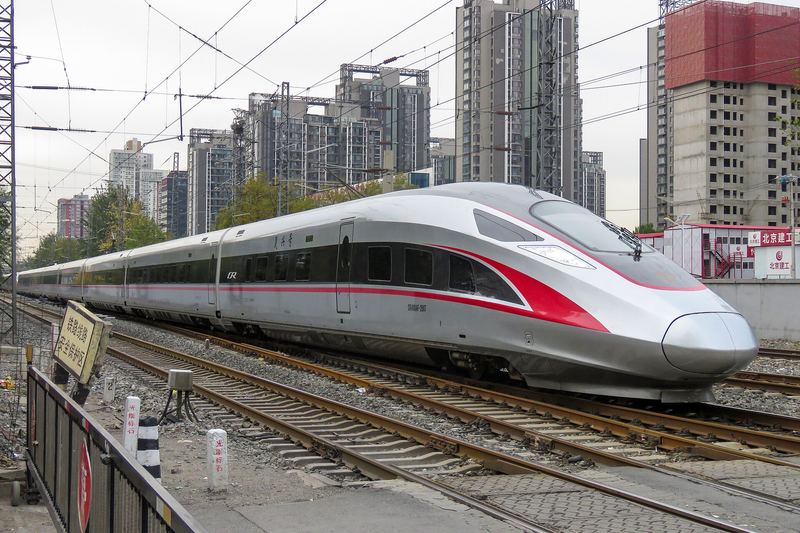
Beijing Chaoyang to Harbin West on the G-line takes four and a half hours at its best and is among the more scenic rides in the north: flat grain country turning to birch and snowfield, with the train keeping a steady 300 km/h between Jinzhou and Shenyang. Leave Beijing mid-morning and you are in Harbin in daylight, at the tail end of the afternoon, with time to reach your hotel before dark.,Buy early for anything during the ice festival. January brings travellers from across southern China and the morning G-services clear out within days of going on sale; the later the departure, the less pressure, which is exactly the sort of information worth having before you book a hotel you cannot move.
The overnight sleepers
The Z-trains are the old answer and still a good one. Doors close around 21:00, lights go out, and at 06:00 or 07:00 you are standing on the platform at Beijing or Beijing West with the city waking up and a hotel bill you never paid. A soft sleeper berth costs around half of what a Harbin hotel night plus a daytime train would, and the comparison looks even better in January.,Take earplugs and an eye mask. Take a bag of snacks and something to read, because there is no dining car culture left on these services in the way guidebooks suggest. And lock your bag to the fitting under the lower berth — not because of crime, but because sleeping bags get shuffled during cleaning at intermediate stops.
Season changes everything
Harbin in January means the Ice and Snow Festival: crowds, prices, and trains sold out weeks ahead. Everything on this route should be booked before you buy anything else for the trip. Outside December to February, demand drops sharply and so do fares — Harbin is a pleasant summer city with a fraction of the visitors, and the same G-seat costs noticeably less.,One more seasonal note. Winter trains are hot inside and -25°C outside, which means dressing in layers you can remove, and the same logic applies to the platform: boat shoes and socks dry slowly, boots don’t dry at all. Nothing ruins that first walk down Central Street like wet feet at minus thirty.
Key facts
- Stations
- Harbin West ↔ Beijing Chaoyang (G) / Beijing (overnight)
- Booking window
- About two weeks; earlier for festival weeks
- Sleeper types
- Hard (open six-berth) and soft (enclosed four-berth)
- Peak demand
- Late December to late February
- Arrive early
- Twenty minutes covers it; thirty at Harbin West in January
What I would do
If there is one night in my schedule I can afford to lose to travel, the soft sleeper wins: dinner in Harbin, breakfast in Beijing, no hotel, no airport, one less thing to think about. If there is not, or if I am travelling in January and want daylight on the snowfields, the mid-morning G-service with a seat booked early. I would not fly it — the rail alternatives are good enough that the airport exists only for people connecting onwards the same day.
Questions people actually ask
How long is the train from Harbin to Beijing?
Four and a half to six hours on the high-speed services; nine to twelve hours on the overnight sleepers depending on which one you take.
Is the sleeper safe and clean?
Yes. Bedding is changed at departure, the compartments are swept at major stops, and petty theft is rare. Lock your bag anyway — it simplifies sleeping.
Can I take the night train during the ice festival?
You can, and many people do, but book it well ahead. Both the G-seats and the soft sleeper berths sell out weeks ahead in January.
Which Beijing station do I arrive at?
High-speed trains from Harbin terminate at Beijing Chaoyang; traditional services usually use Beijing or Beijing West. Always check the full station name on your ticket.
Is a hard sleeper bearable?
For a first-time visitor on a budget, yes — it is clean and warm. For anyone who needs sleep to function, spend the extra ¥100–150 on soft sleeper.
Fares reflect the usual bands; the ice festival weeks in January and February are the exception to everything below and should be booked weeks ahead.