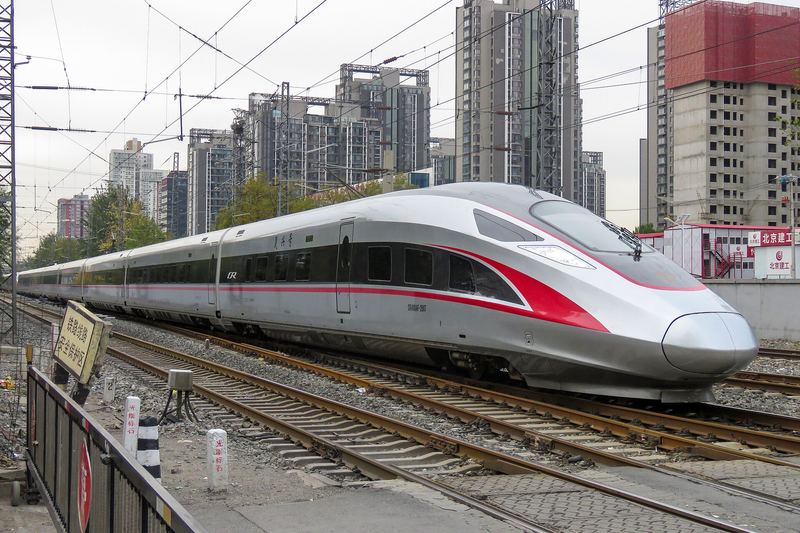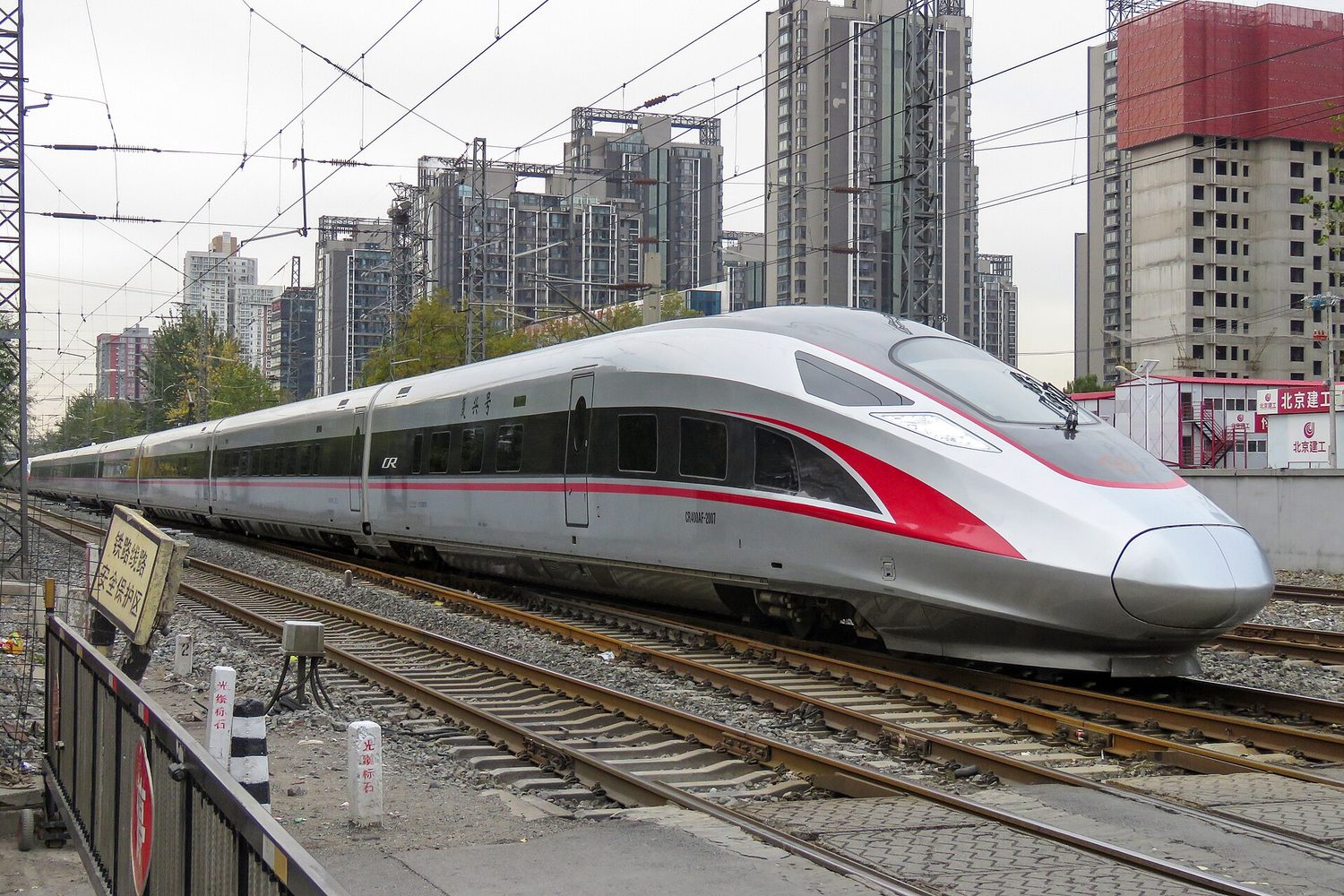
Booking Train Tickets In China: The App, The Window, And The ID Rule
Fast trains, hard sells-out, and one rule — your ticket is tied to your passport — that catches almost every first-time visitor.
Chinese rail ticketing looks like a queue and behaves like an airline seat map: real-name, dated, seat-specific, and strongest when you buy early. The single most common failure is not payment or language. It is a visitor assuming tickets are available tomorrow and discovering that Friday’s 08:00 to Xi’an sold out three days ago.
Everything else follows from that. Decide your intercity moves first, buy them when you buy your flights, and treat the train as a booked rather than turn-up-and-ride service. On the short regional lines nobody minds; on Beijing–Shanghai, Xi’an and any Friday evening departure, it decides whether you travel at all.
Three ways to buy
- Official channels: the 12306 website and app, which sell everything at face value and nothing else. Registering needs a passport scan and a real-name verification that is usually approved within minutes, occasionally with a delay. The interface has an English toggle and still feels like paperwork.
- The station window: slower, staffed, and accepts cash and foreign cards. This is where things get fixed — registration problems, ID mismatch errors, anything the app refuses to do with a non-Chinese document.
- Agents and travel apps: they add ¥15–50 per ticket, take foreign cards without complaint, and translate everything into your own language. For a first trip, that fee is worth paying if it removes one uncertainty.
I have used all three and would describe them honestly as follows. Official is cheapest and occasionally refuses a foreign card. Station windows are infallible and cost an evening. Agents cost real money and take the problem off your hands. Pick by how much your time is worth on the day.
The ID rule, which is the one to remember
A Chinese train ticket is issued against a specific identity document, and the gates between the entrance and the platform read it. In practice that means: bring the exact passport you booked with, or the gate will not open and no amount of explaining will help. Boarding without it means a full re-purchase at the window, if a seat is left.
It also means a name typed incorrectly is your problem, not the system’s. Check every character against the passport photo page before you pay, including spacing in double-barrelled given names. If the app puts your surname and given name in the wrong boxes, the ticket printout is wrong even if the booking succeeded.
Key facts
- Sales open
- Around 15 days before departure in normal periods
- Real-name gate
- Passport scan required; no separate boarding pass
- Seat classes
- Second, first, business; soft sleeper on overnights
- Refunds and changes
- Allowed before departure, sliding fee depending on how late
- Children
- Discounted, and they must be added to the booking by ID too
Choosing where to sit
Second class is a comfortable aircraft-style seat with decent legroom and is what the baseline fare refers to. First class buys a wider seat, three across instead of five and a noticeably quieter carriage — pleasant, not necessary. Business class on the flagship services reclines fully and costs roughly three times second class, which is worth it exactly once, on a four-hour afternoon with a view.
On the fast lines to Xinjiang and the overnight services, consider soft sleeper instead of seat. A berth on the right overnight train replaces a hotel night and costs less than either separately — and this site’s longer route pages spell out which city pairs make that trade worthwhile.
Sold out? Do these three things
Check the neighbouring stations: most cities have two or three, and the same service often calls at the one that is further out. Check the stop-only services — the slow train leaving 15 minutes earlier is frequently empty. And check again late the night before, when returned tickets get released back into the pool in batches. I have bought seats at the window for a train leaving in 40 minutes more than once.
What the station actually looks like
Big cities run airport-grade terminals: departures hall, ID gate, bag scanner, floor-to-ceiling board, then a long hall of gates numbered like an airport’s. You do not need to print anything. The passport is the ticket. On the platform, marshals line you up by carriage number on the floor — the train stops for two minutes and the doors shut promptly.
Questions people actually ask
How early should I buy tickets?
As soon as your route is fixed. Sales normally open about two weeks out, and popular morning services on the major lines clear the same day they appear.
Do I need the app?
Not necessarily. Station windows and travel agents both sell the same inventory; the app mainly saves you a trip to the station and gives you instant changes when plans move.
Can I change a ticket after booking?
Yes, once, before departure, with a fee that grows as departure approaches. Changing is easier than refunding and rebooking, especially if only the time needs to move.
What happens if I miss my train?
The ticket is void for that service. On most routes you can exchange it for a later departure the same day at the window, subject to availability, so make for the ticket office rather than the platform.
Is there luggage allowance?
Generous in practice: large suitcases go in the racks at the carriage ends, overhead shelves take the rest. Nobody weighs anything, but there is a length limit that the biggest hard cases occasionally fall foul of.
Sales windows, fees and app behaviour below reflect the 2026 version of the booking system. Every line here has changed at least once before, so check the operator before you rely on a specific number.