2 Days in Shanghai: Old City West, Skyline East
One day on the Puxi side for gardens, museums and the waterfront at dusk; one day south of the river for the streets people actually live on.
Shanghai is easier than it looks, with one trap: the Huangpu River splits the city in half and it’s easy to lose half an hour to every crossing. The historic side, Puxi, holds the gardens, the museums and the waterfront. Pudong, across the water, is towers and office districts with a few genuinely good neighbourhoods tucked between them.
Two days is the honest minimum, and the plan below keeps each day on one side of the river, with a single crossing at dusk on day one when the skyline is the reason you came.
The two days at a glance
| Day | Morning | Afternoon | Evening | Tickets |
|---|---|---|---|---|
| 1 — Puxi old city | Shanghai Museum from 09:00 | Nanjing Road, Yu Garden and the old town | The Bund at 18:30, then Pudong by metro | ¥70 – ¥250 |
| 2 — South of the river | Wukang Road and the plane-tree streets | Tianzifang, Xintiandi | Suzhou Creek or a Huangpu night cruise | ¥0 – ¥180 |
Get a metro card or set up the QR code in Alipay on arrival: fares are ¥3–6 for almost every trip in this plan, and the two lines you will use most are 2 and 10. Taxis across the river start at ¥24 and the bridge traffic after 17:00 makes them a poor trade.
Day 1 — The museum, the garden and the waterfront
The Shanghai Museum opens at 09:00 and is free, but you need a timed reservation made online a few days ahead, and it closes on Mondays. The bronzes and ceramics floors justify two hours on their own. It sits on People’s Square, which is where lines 1, 2 and 8 meet, so the rest of the morning is simple.
Walk east along Nanjing Road, which is a pedestrian shopping street for 1.2 km and then a normal road. Turn south at the far end and you reach the old town, where Yu Garden costs ¥40 in high season and ¥30 from November to February. The garden itself takes 45 minutes; the surrounding bazaar takes as long as your patience allows, and the xiaolongbao at the Nanxiang shop next door are ¥30–60 a basket.
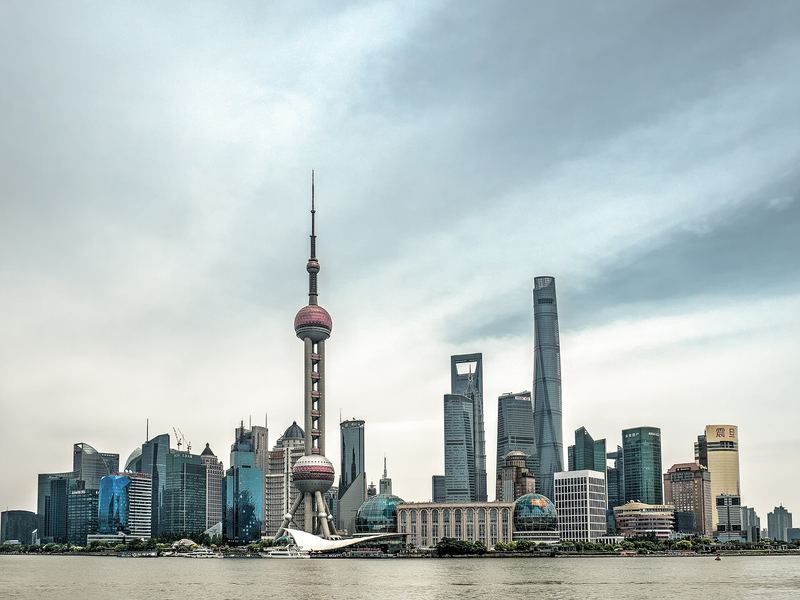
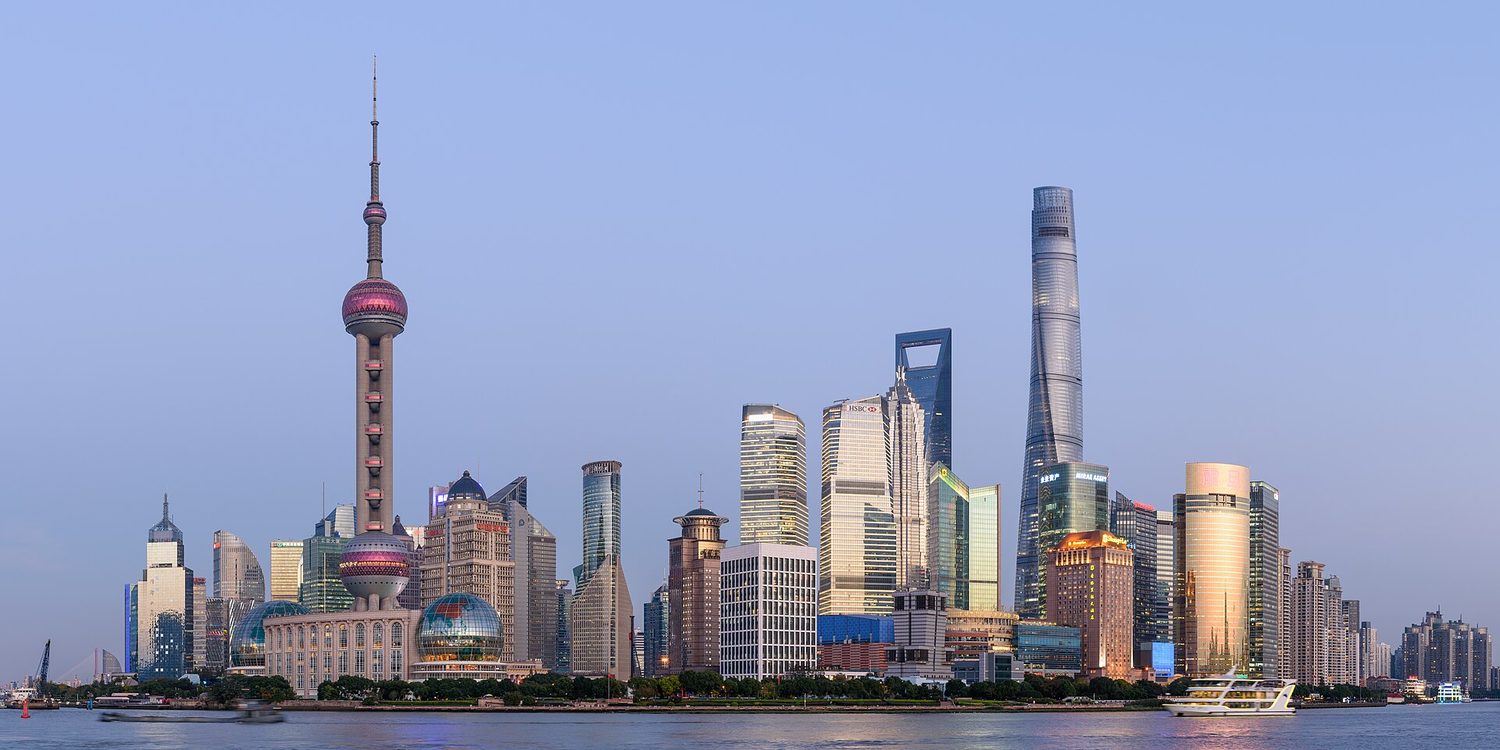
Be at the Bund by 18:30. The colonial facades on the west side switch their lights on around sunset and the towers opposite light up within the same half hour, and the promenade fills accordingly. Walk north towards Waibaidu Bridge for the least crowded section, then take line 2 under the river to Lujiazui for the view back.
The observation decks are where the money goes. Shanghai Tower, the tallest of the three, charges ¥180 for the 118th floor. The World Financial Center is also ¥180 and includes a glass floor. The alternative costs nothing: the raised riverside walkway at Lujiazui gives you the same skyline from ground level, which is where the postcards are taken anyway.
Day 2 — The streets south of the centre
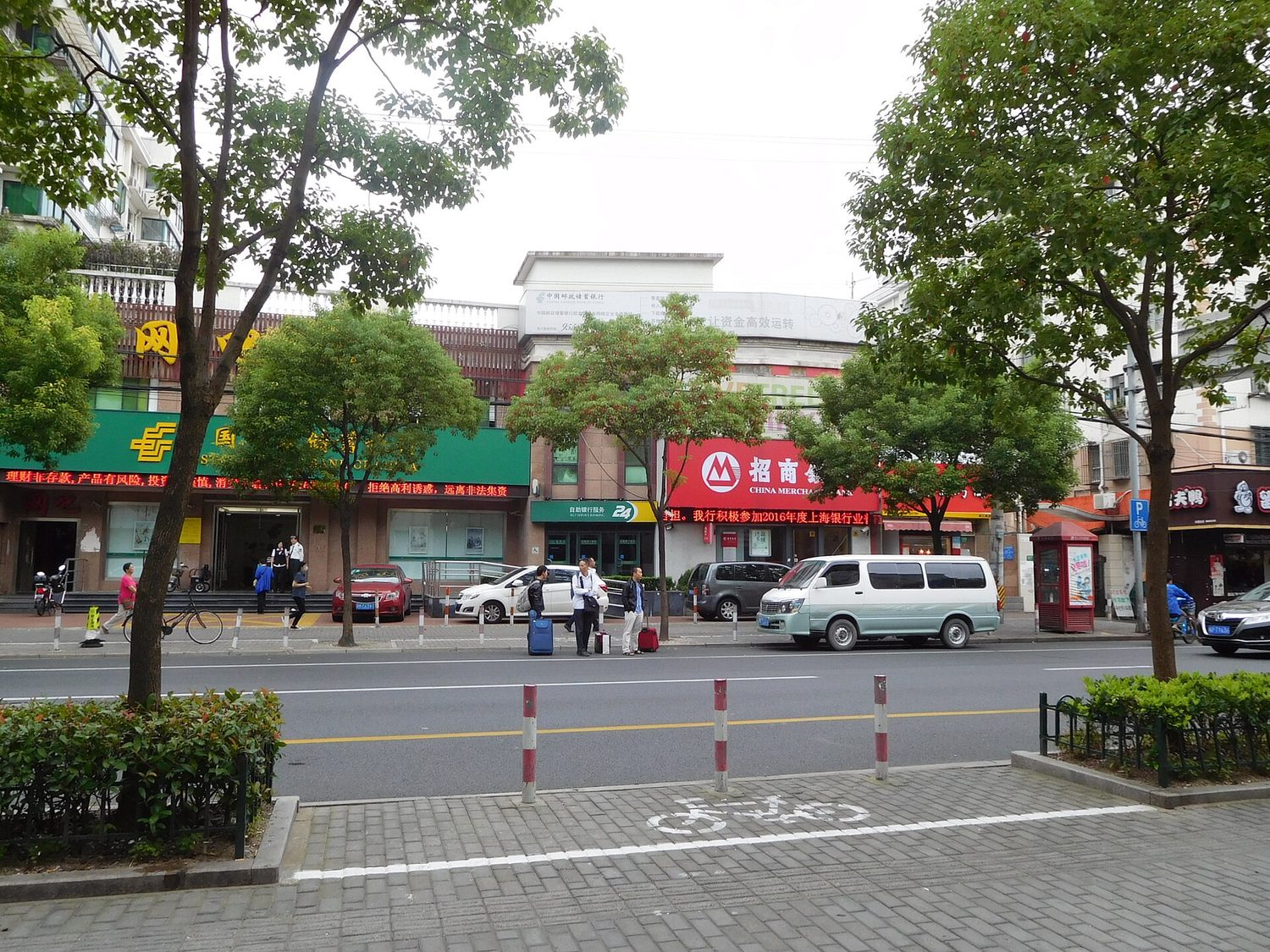
Start on Wukang Road, where the plane trees close over the street and the 1920s apartment blocks still have their original balconies. This is the former French Concession, and the pleasure of it is walking without a destination: Anfu Road for coffee at ¥30–45, the lanes off Fuxing Road for small galleries that are free to enter.
Tianzifang, fifteen minutes south, is a knot of alleyways packed with studios and shops. It is genuinely pretty and genuinely crowded after 11:00, so go early or accept it. Xintiandi, ten minutes east, is a rebuilt lane block of restaurants and bars, more polished and more expensive; it is a good lunch stop at ¥80–150 for two.
If you would rather have water and bridges than streets, swap day two entirely for Zhujiajiao, a canal town 50 minutes out on metro line 17 for ¥7. The combined ticket is ¥30 and covers the gardens and bridges, and the town is quiet before 10:00. It is the closest thing to a Jiangnan water town that fits inside a day trip.
Booking order, and when to come
Reserve the Shanghai Museum slot first, because it is free and the timed windows vanish a week out. Tower decks can be booked the same day unless it is a national holiday. Yu Garden has a separate ¥40 ticket sold at the gate and rarely sells out, and the garden closes at 17:00 with last entry at 16:30.
March to May and September to November are the good months. July and August are 35°C with humidity that makes the Bund unpleasant until dark, and winter is grey and damp rather than cold, which is somehow worse than either.
What two days cost
Key facts
- Museum
- Free with a timed reservation
- Yu Garden
- ¥40 high season, ¥30 low
- One observation deck
- ¥180
- Metro, two days
- ¥25 – ¥40
- Food per day
- ¥150 – ¥350
- Hotel, central Puxi
- ¥450 – ¥900 per night
Without a tower deck the two days come to roughly ¥1,400 per person including a mid-range hotel, and about ¥2,000 with the deck and a decent dinner. Shanghai is the most expensive city in this guide for hotels and the cheapest for transport, which is a strange combination but a real one.
Four things that waste an afternoon
- The Bund sightseeing tunnel, ¥50 for a short ride with flashing lights that most people describe as a mistake.
- Crossing to Pudong in the morning and back to Puxi after lunch. The metro is fast; queues at the stations near Lujiazui are not.
- Shopping on Nanjing Road for anything other than the experience. Prices are 40% above the same goods two streets inland.
- Treating Zhujiajiao as a half-day addition on top of a full Puxi day. It is 50 minutes each way and deserves the whole afternoon.
Questions people actually ask
Is 2 days enough for Shanghai?
For the Bund, a museum, the old town and one neighbourhood, yes. Add a third day if you want a water town or a day of the museums in the former French Concession, which are free and barely visited.
Which observation deck is worth paying for?
Shanghai Tower for height and the fastest lifts, World Financial Center if you want the glass floor. Both cost ¥180. If you only want the photograph, the free riverside walkway at Lujiazui is enough.
When does the Bund light up?
The facades and the Pudong towers switch on around sunset, which is between 17:00 in winter and 19:00 in midsummer, and stay lit until about 22:00 on weekdays and later at weekends.
Museum and tower opening hours shorten in winter; the deck fees below were reconfirmed with the ticketing desks in September 2026, and the Bund illumination shifts with sunset.