2 Days in Suzhou: Three Gardens, One Canal Street
Su Zhou has nine gardens on the UNESCO list and no visitor needs all nine. Pick three at the right hours and use the rest of the time on the water lanes.
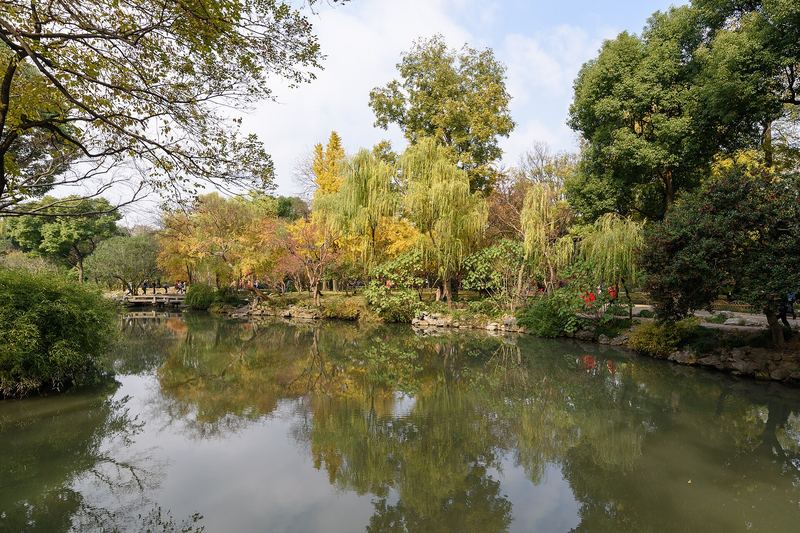
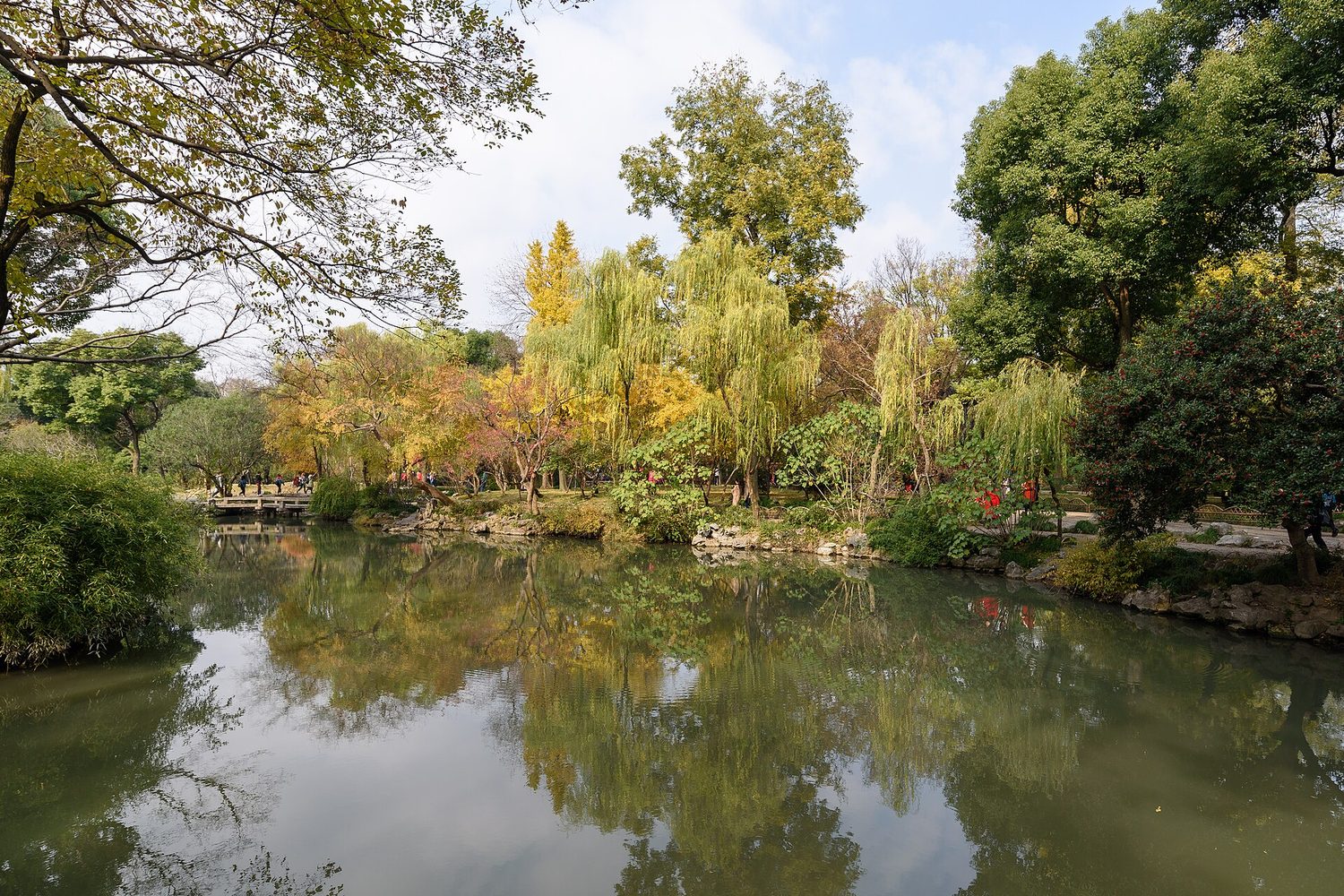
A Suzhou garden is not a park and it is not a palace. It is a scholar’s courtyard of perhaps half a hectare, arranged so that a wall, a window, a rockery and a pond keep showing you something new as you move, and the whole art depends on having few enough people in it to see the arrangement at work.
That single fact decides the itinerary. Timing matters more here than anywhere else in China outside the Forbidden City, and the difference between 08:00 and 10:30 in the Humble Administrator’s Garden is the difference between understanding the design and joining a queue past a rock.
Two days, three gardens
| Day | Morning | Afternoon | Evening | Tickets |
|---|---|---|---|---|
| 1 — Northeast quarter | Humble Administrator’s Garden at 07:30 | Suzhou Museum, then Lion Grove | Pingjiang Road and the canals | ¥120 |
| 2 — West and north | Tiger Hill from 08:00 | Shantang Street, then the Silk Museum | Master of Nets evening performance | ¥160 |
If you have only one day, keep day one and swap the evening performance for the museum’s last slot. If you have three, add Tongli or Zhouzhuang as a canal-town day, both about ¥100 to enter and 40 minutes away.
Day 1 — The famous garden before the crowds
The Humble Administrator’s Garden is ¥80 from April to June and September to October and ¥70 the rest of the year. It opens at 07:30 and the first coach arrives around 09:00, so the opening hour is worth the alarm. Walk the central pond first while the light is low, then the eastern halls, and finish at the bonsai garden in the north-west corner.
Next door, the Suzhou Museum is free and designed by I. M. Pei late in his career, with whitewashed walls and a garden courtyard that echoes the classical houses around it. It needs a timed reservation, closes on Mondays and holds a good collection of porcelains and calligraphy. The rest of the morning is enough for it.
Lion Grove is ¥40 and takes forty minutes, which is the right amount of time: its rockery is a maze of paths and caves built to be wandered rather than studied. In the afternoon walk fifteen minutes south to Pingjiang Road, where the canal runs between whitewashed houses and stone bridges, and the lane is free and open all day.
Day 2 — Pagoda, market street, evening performance
Tiger Hill, ¥60, is not a garden but a hill with a 1,000-year-old leaning pagoda on top, and it opens at 07:30. The climb takes 25 minutes and the pagoda leans about three degrees, which is why it is called the Leaning Tower of China. Go early and you can hear the birds over the tour groups.
Walk down to Shantang Street, the old canal market route that runs 3.5 km towards the city, and stop where the boats turn around — past that point the shops give way to homes with washing strung across the water. The Silk Museum west of the gardens is free and shows the industry that paid for every one of these gardens, with working looms and a room of imperial robes.
Book the evening for the Master of Nets Garden, the smallest of the famous ones and the best proportioned. Day admission is ¥40, but between about 19:30 and 21:00 it charges ¥100 and runs music, opera and flute performances in the lit courtyards. It is the single best-value ticket in the city and it sells out on autumn weekends.
Suzhou in figures
Key facts
- Humble Administrator’s Garden
- ¥80 high season, ¥70 low
- Lion Grove and Master of Nets
- ¥40 each, ¥100 evening for the latter
- Tiger Hill
- ¥60
- Suzhou Museum
- Free, reserved slot, closed Mondays
- Tongli or Zhouzhuang day trip
- ¥100 entry plus ¥20 transport
- Hotel in the old town
- ¥350 – ¥750 per night
Two days come to roughly ¥1,500 per person with a good hotel near the old town and one restaurant meal a day, or ¥1,000 if you stay in a chain hotel and eat noodles twice a day. The local cooking is sweet — squirrel-shaped mandarin fish at ¥150–200 is the splurge dish, and a bowl of noodles at ¥18–35 is what people actually eat.
Mistakes that cost a morning
- Doing the Humble Administrator’s Garden at 10:00. If you can only manage one garden at a busy hour, make it the Lion Grove or the Couple’s Retreat, which absorb crowds better.
- Arriving at the museum without a slot. There is no walk-up queue worth joining; book the day before and take any window offered.
- Assuming Pingjiang Road is a morning destination. It is busiest from 10:00 and best before 09:00 or after 18:00.
- Skipping Tiger Hill because it is not a garden. The pagoda and the view over the canals are the two best photographs you will take here.
Questions people actually ask
Which Suzhou gardens should I see with only one day?
The Humble Administrator’s Garden at opening, Lion Grove in the middle of the day and the Master of Nets in the evening if the performance is running. Those three show the different scales of the form without repeating it.
Do Suzhou gardens need advance booking?
Not usually, except the Humble Administrator’s Garden in spring and autumn and the museum year round. Tickets at the smaller gardens are sold at the gate and rarely sell out.
Is one day in Suzhou worth it from Shanghai?
Yes, if you start early. Trains from Hongqiao take 25 minutes, and a garden, a museum and the canals fit into a full day, though you will miss the evening performance that most people rate highest.
Garden hours shorten between November and March and several close one weekday for upkeep, while the museum runs a free timed slot system all year; these details were re-tallied in mid-September 2026.