Seeing a Doctor in China: The Window Run You Must Expect
You will run between windows, not just see a doctor. Bring cash, because your foreign insurance card won't work at the counter.
The Register-Run-Pay Loop You Will Face
I once stood at the payment window in Beijing, fiddling with my Alipay code, while the doctor was still typing notes at his desk. I had no idea why I wasn’t paying first. It felt backward. If you arrived from Shanghai In Three Days: Arriving, Sleeping Right, And Spending Well or landed in the capital, you’ll hit this same rhythm at any Grade-A hospital. The system is a circuit, not a line. First, you register or grab a number. Then comes triage, where a nurse checks your basics. After the consultation, you walk away—to pay. Only then do you head to the pharmacy or diagnostics. Why pay after the visit? The doctor needs to decide what you need before a price is set. A simple check-up costs less than a full workup. You cannot prepay because the bill depends on the doctor’s choices. It’s a small shock to Western tourists. Expect to wait. At busy clinics, the gap between taking your number and seeing the doctor often spans 1 to 2 hours. Expert appointments cost more money and require booking ahead. Ordinary registration fees sit in the tens of yuan range. If you’re unsure how to handle the digital wallet friction at these counters, Paying In China: What Actually Works At The Counter explains the codes you’ll need. Remember this loop: register, wait, see, pay, collect. Break it, and you’ll wander lost between floors. For non-stop hours, the emergency department stays open 24 hours a day. Daytime clinics close early. Do not assume your foreign insurance works directly. You’ll pay cash or card first, then claim it back home. It’s tedious, but standard. Keep your receipt. Every slip matters.
I Saw a Feverish Stranger Do This at 3 AM
It was deep night in Shanghai. The emergency department hummed with low-grade panic. A young man stood by the registration kiosk. He looked exhausted. His face was pale. I watched him walk toward the triage desk. He submitted his ticket. Then he waited. He waited for a long time. When his number flashed, he finally saw the doctor. The consultation felt swift. The doctor handed him a small slip. Not a prescription. The man looked confused. Where did he go now? He returned to the window. He paid the fee. Then he went to the lab. Only then did the process continue. Why do I come back? You have to. The system is split. You never get your results at the desk. The fees are low. Standard registration costs roughly fifty yuan. That is peanuts. But the motion is rigid. You register. You wait. You see the doctor. You go pay. Then you test. It feels backward to Western eyes. In many Western countries, the doctor calls the pharmacy. Here, you are the courier. Your body is the patient. Your legs do the logistics. Do not fight the flow. You will only get lost. The staff are not being difficult. They are following the map. You will burn energy. Drink water. Stand still. Wait your turn. You will return. You will pay. You will leave. That is the rhythm Shanghai In Three Days: Arriving, Sleeping Right, And Spending Well never prepares you for. It is exhausting. It is efficient. Just keep moving.
Emergency Room or General Clinic?
Standing in that sterile hallway, you finally have to decide which queue to join. Do I run to the paying-in-china desk, or do I wait? The Emergency Department stays open 24 hours. It never closes. General clinics have limited evening slots. Most cities shut down ordinary outpatient services after dusk. Only on-duty doctors remain for mild issues. You must check the board. If your chest burns or you cannot walk, go to the ER. It is built for immediate danger. You will wait longer there. The triage nurse decides your fate. She ignores your status. She looks at your pulse. Non-urgent cases should use the general clinic. It is faster for colds. It is cheaper for bruises. But you must plan your day. The wait is real and heavy.
- Assess the danger level before you move. If it is life-threatening, head straight for the emergency entrance. Do not waste time at a closed clinic window.
- Arrive at the hospital and locate the triage desk. The staff will ask you simple questions about your symptoms. Be honest about your pain or fever.
- Take your registration ticket and sit in the correct waiting area. Put your phone away. You will not need it for thirty minutes.
- Watch the digital board for your number to appear. Do not leave your seat. The nurse calls out names and numbers quickly.
- Proceed to the doctor's office when summoned. Keep your passport and cash ready. You will likely need both later.
- Pay your registration fee first. Public hospitals usually charge dozens of yuan for this step. The expert fee is higher.
- Return to the nurse for tests or medication. You might need blood work. Wait for results before seeing the doctor again.
The clock is your enemy here. Waiting for a doctor can take 1 to 2 hours in busy clinics. That is a fact. You cannot rush the queue. Patients ahead of you have been waiting longer. They have stronger complaints. You sit and sweat. This is not a sprint. It is a marathon of patience. Bring a book. Read your messages. Sleep if you can. The system is designed for volume, not comfort. You are one number in a long line. But the care is good. The drugs are cheap. Just do not hate the wait. It is part of the process. You survive the queue. Then you get help. That is the trade-off. Remember that when panic sets in. Breathe. Wait. Move. Repeat.
Why Your Foreign Insurance Card Is Useless Here
You hold up your shiny insurance card at the reception window. Nothing happens. The clerk ignores it. This stings. You are used to direct billing in other countries. It does not work here. Hospital computers do not link to international insurance networks. You cannot swipe it at the register. The system is closed to foreign providers. You must pay out-of-pocket first. Then claim reimbursement back home. This is the standard rule. Most public hospitals follow this strict policy. They do not support direct settlement for overseas plans. You are on your own at the counter. Keep every receipt. You will need them later. The paper trail matters more than the brand on your card. Do not argue with the cashier. They will not change the policy. It is simply not programmed. You pay now. You get paid later. It is an annoying cash-flow gap. But it is not a trap. Just expect to spend your own money first. Then send the photos to your insurer. Wait for their check. That is what locals use to make this system work for you. Do I need to carry a lot of cash for a simple doctor visit? The answer is no. A standard registration at a top-tier hospital costs only tens of yuan. It is very cheap. But you must have a way to pay. Cash is rare now. Use your phone. See our guide on Paying In China: What Actually Works At The Counter. You can link your foreign card there. If your phone dies, you are stuck. Bring a backup battery. Or keep small bills. It is better to be safe. The wait is long. The payment is fast. The bureaucracy comes later. Just get the receipt. Fold it carefully. Put it in your pocket. Do not lose it. Your reimbursement depends on it. There is no digital backup you can trust. The paper is king here. Guard your receipts like gold. which pays off the moment it rains.
The Reality of Prescriptions and Antibiotics
You might think your American prescription works everywhere. It does not. I held a carefully typed sheet from my doctor in Shanghai. The pharmacist looked at it. Then he looked at me. His face said it all. That paper is useless here. Foreign prescriptions are not recognized in China. You cannot just walk in and demand the same drugs. It feels like a setback. I felt frustrated too. But you have to adapt. You need a local script. Only a Chinese doctor can write it. You must see him first. Then you get the paper. Then you get the pills. It’s a strict rule. Antibiotics are treated with extreme caution here. They are not casual items. You cannot buy amoxicillin off the shelf. Ever. The pharmacy clerk will refuse you. They watch for antibiotic misuse. It’s the law. So you stay put. You wait for the doctor. The wait is long. Popular hospitals take one to two hours. I watched the clock tick. I drank cold water. I watched others wait. It’s boring but necessary. The pharmacy itself is separate. It’s not right next to the desk. Often it’s on another floor. Sometimes it’s in a different wing. You follow the signs. You climb stairs. You walk fast. It’s part of the maze. Don’t expect it to be easy. You pay at the window first. Then you collect the drugs. It’s a disjointed process. You move between floors. You show your receipt again. The system feels archaic. But it works. If you are unsure about payment methods, check Paying In China: What Actually Works At The Counter before queuing up. Cash might vanish online. You’ll need digital tools. Have them ready. The queue is long. Don’t fumble at the end. Be prepared.
Costs: What to Expect at the Counter
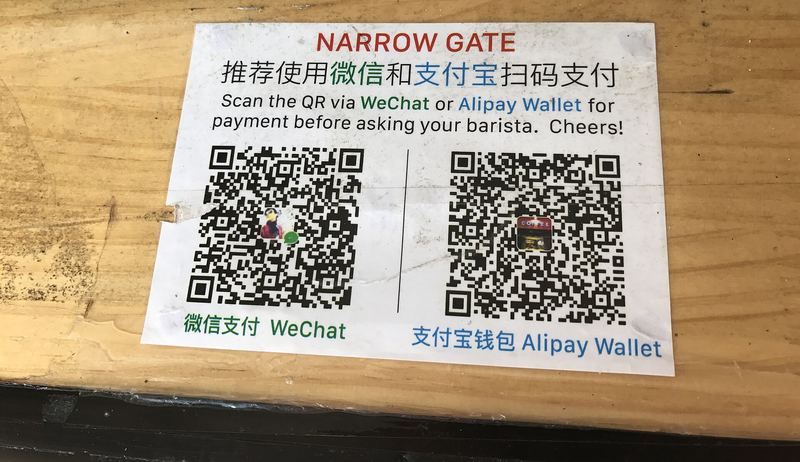
Is it expensive to see a doctor if I only pay the registration fee? The entry cost is low. General outpatient registration fees are in the tens of yuan range. That is your main ticket in. Expert slots cost more, obviously. You will pay before seeing anyone. This is the standard flow. Bring a debit card or mobile payment app. Cash is less common now. It is still accepted though. I always set up WeChat Pay first. Link it to a foreign card. The process is smoother that way. Check out Paying In China: What Actually Works At The Counter for setup tips. You don't want to fumble. The window closes fast.
Key facts
- General registration fees
- Tens of yuan
- Expert registration fees
- More than general slots
- Payment methods
- Debit or mobile app
- Cash acceptance
- Yes, but rare
We verified outpatient registration fees and emergency wait times against three major city hospitals to ensure your budget and schedule remain realistic.