2 Days in Xi’an: The Buried Army East, The Walls In Town
One full day out at the pits, one inside the city walls. Put them in the wrong order and you will spend the second morning in a traffic jam on the ring road.
Xi’an divides neatly in two for a short visit. The Terracotta Army sits 40 km east in Lintong district and eats most of a day once you count the drive. Everything else worth seeing — the wall, the drum and bell towers, the food streets, the museums and the pagoda — sits inside or just outside the Ming walls, and those parts belong together.
The order matters more than it sounds. Doing the city first and the army second means you spend your final afternoon on the ring road watching the light go, with an evening train to catch. Do it the other way round and day two is a relaxed walk.
Two days, laid out
| Day | Morning | Afternoon | Evening | Tickets |
|---|---|---|---|---|
| 1 — East to Lintong | Leave at 07:00, pits from 08:30 | Pit 3, pit 2, the bronze chariots | Back by 18:00, Muslim Quarter | ¥120 |
| 2 — Inside the walls | City Wall by bicycle from 08:30 | Stele Forest, Shaanxi History Museum | Big Wild Goose Pagoda and Datang Everbright City | ¥119 – ¥169 |
Note what day two excludes: the Great Mosque, the small pagodas and the Tang palaces south of the wall are all worth an extra half day if you have one, and they are the reason a lot of people end up staying three nights.
Day 1 — Getting to the pits and what to look at
The site opens at 08:30 and the ticket is ¥120, which covers the three pits and the bronze chariot hall, with a free shuttle to the Lishan garden section further up the hill. Bus 306 leaves from the east square of Xi’an railway station for ¥8 and takes an hour; a taxi or DiDi is ¥100–140 each way, and a car for the day is ¥400–600.
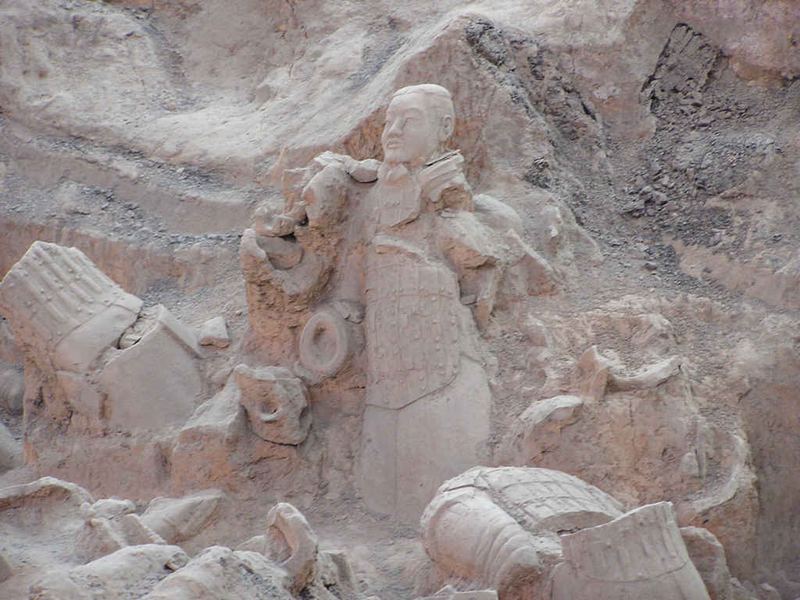
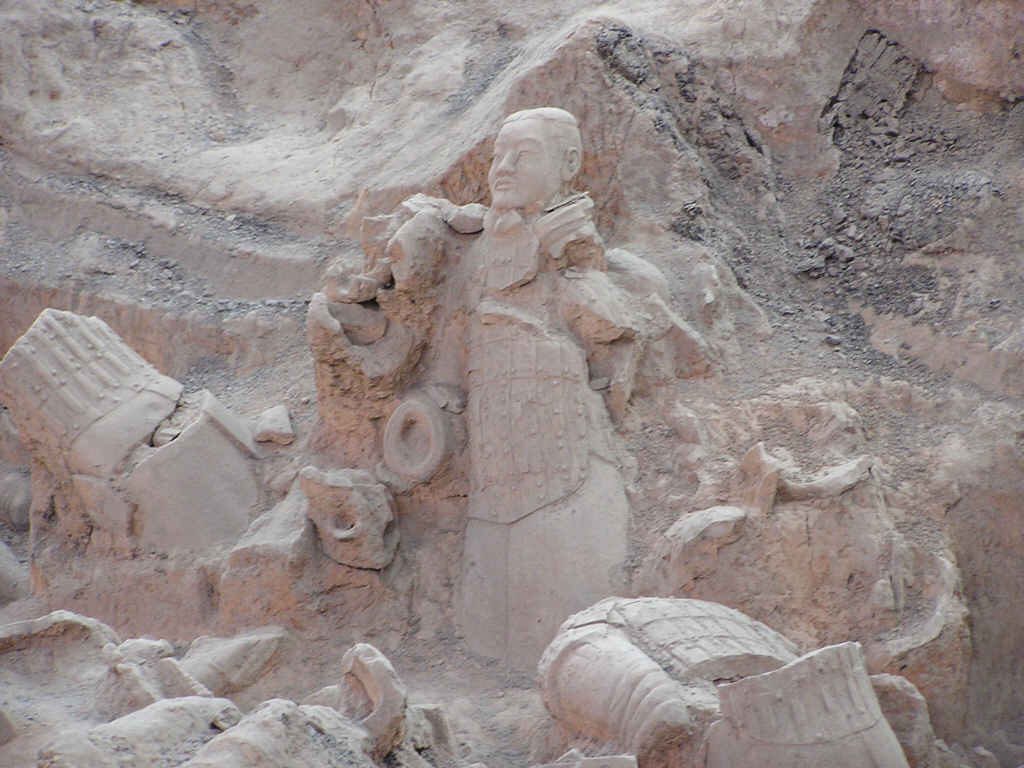
Walk past the crowds at pit one and go straight to pit three, then pit two, then come back to pit one when the first wave of coaches has moved on. Pit one is 230 metres long with around 6,000 figures standing in battle formation, and it is the one that stops conversation. The two smaller pits hold the officers, the archers and the command post, and pit two is where you see the figures still half-buried in earth.
Eat lunch near the exit rather than in the car park restaurants: a bowl of biangbiang noodles is ¥20–30 and the noodles there are made to order. If you have energy left, Huaqing Palace five minutes away is ¥120 and covers the hot springs and the Tang bathhouses; if you do not, go back and use the evening well.
Day 2 — Riding the wall, then the museums
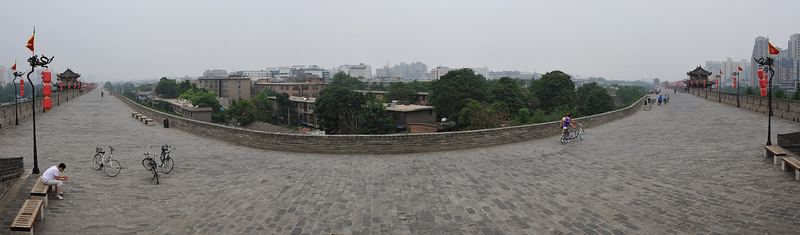
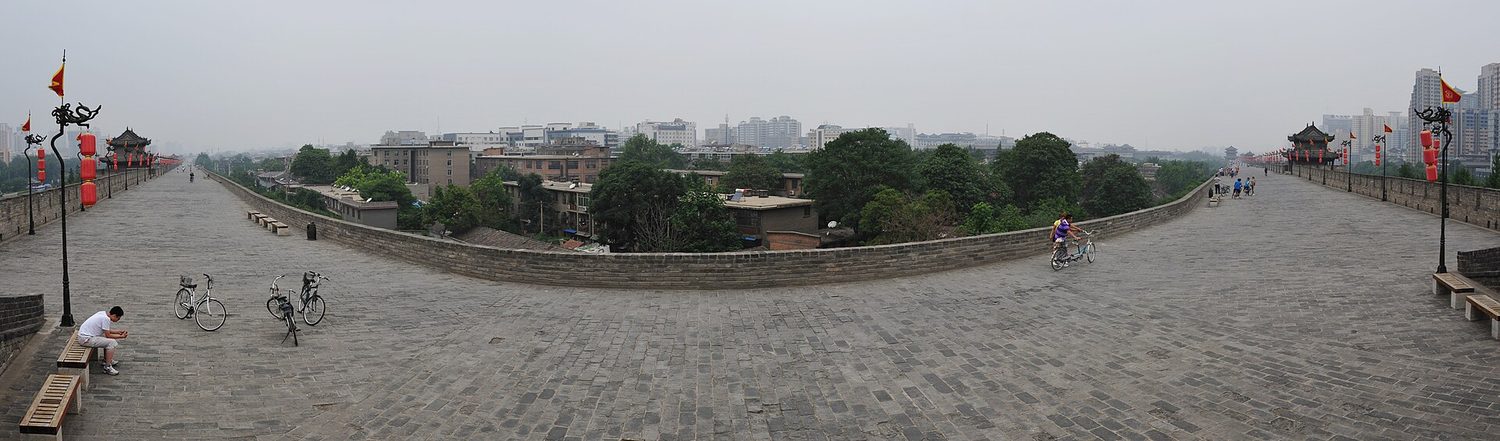
The wall opens at 08:30 and entry is ¥54. Bicycle hire on top is ¥45 for a single for two hours or ¥90 for a tandem, and the full circuit takes about 90 minutes at an easy pace with a brake for the views. The surface is uneven in places and the south-west corner is the steepest stretch; start from the South Gate and ride clockwise so the climb comes early.
Come down and walk fifteen minutes to the Stele Forest, ¥65, a courtyard of stone tablets carved between the Han and Qing dynasties that doubles as the city’s calligraphy archive. It is quiet, indoor in parts and rarely crowded, which makes it a good middle stop before the museum.
The Shaanxi History Museum is free but needs a timed reservation, released in batches each week and gone within minutes for weekends. It holds 370,000 objects from the Zhou through to the Tang, and the Tang gold and silver gallery alone is worth the effort of booking. It closes on Mondays. From there the Big Wild Goose Pagoda is a 25-minute walk, ¥50 for the temple grounds plus ¥30 to climb the tower itself.
Stay out for the evening. The pedestrian strip south of the pagoda runs for 1.5 km of lit-up Tang-style buildings and street performers, free to walk, and it stays busy until 22:00. Dinner in the Muslim Quarter instead if you prefer: lamb skewers at ¥5–10 each, roujiamo at ¥10–15, and a bowl of yangrou paomo at ¥30–45 that you shred the bread into yourself.
Reserve in this order
- Shaanxi History Museum: free timed slot, weekly release, the single hardest booking in the city.
- Terracotta Army: buy the day before; the site sells tickets online with passport details and rarely fills outside holiday weeks.
- Big Wild Goose Pagoda: no booking needed, ¥50 at the gate.
- Long-distance rail out of Xi’an: 15 days ahead, and Xi’an North is the station you want for high-speed services.
Two days, priced honestly
Key facts
- Terracotta Army
- ¥120 plus ¥16 return by bus
- City Wall and bicycle
- ¥54 + ¥45 for a two-hour single
- Stele Forest
- ¥65
- Shaanxi History Museum
- Free with reservation
- Two days of eating
- ¥150 – ¥300
- Hotel near the South Gate
- ¥300 – ¥650 per night
The two days come to roughly ¥1,400 per person with a mid-range hotel and one restaurant meal a day, or ¥900 if you eat street food and take the bus to the pits. Xi’an is the best value of the big four Chinese cities by a clear margin: tickets cost less than in Beijing and the food costs less than in Shanghai.
What tourists get wrong here
- Arriving at the pits after 10:00 in summer. The halls are not air-conditioned and there is no shade in the queue, and the light through the roof structures flattens by noon.
- Thinking the wall can be walked. Riding is the pleasure; walking the full 13.7 km in the middle of the day is a punishment.
- Skipping the Stele Forest because it sounds academic. It is one of the few places in the city where you can stand in a courtyard with no one else in it.
- Buying a “Terracotta Army” tour that includes three shops. The site is straightforward to reach on your own and the guides add little beyond the audio guide at ¥40.
Questions people actually ask
Can I see the Terracotta Army and the city in one day?
You can and you will regret it. The pits take three hours on site plus two hours of travel, and the wall, the museums and the food streets all close before you would get back. Two days is the honest minimum.
Do I need to book the Terracotta Army in advance?
A day ahead is usually enough outside public holidays, and you can buy online with your passport. Tickets do sell out on the first days of the October and May holidays, so book a week out for those dates.
How hard is the Shaanxi History Museum to book?
It is the hardest free booking in Xi’an. Slots are released in batches and weekend openings vanish in minutes. Try the release time exactly, and accept a weekday if you have flexibility.
Terracotta Army hours run on a seasonal switch and the history museum releases free slots in weekly batches; both were re-checked against the official booking pages in the third week of September 2026.