3 Days in Chengdu: Pandas At Dawn, Teahouses After
Two things here need planning: the panda base at opening time and the day trip on day three. Everything in between is a city that would rather you slowed down.
Chengdu is a city that punishes rushing and rewards sitting down. The exception is the panda research base, where the entire visit depends on being present in the first hour after opening, because that is when the animals eat, climb and generally do something other than sleep in a heap.
The other thing worth committing to is a day trip. Chengdu sits on a plain between mountains, with a 2,000-year-old irrigation system to the north-west and a 71-metre Buddha to the south, and both are reachable by train in under an hour. Squeezing either into an afternoon is a mistake; giving it a full day makes the trip.
Three days at a glance
| Day | Morning | Afternoon | Evening | Tickets |
|---|---|---|---|---|
| 1 — Pandas and teahouses | Base gate at 07:20 | People’s Park teahouse, Kuanzhai Alley | Hotpot and a face-changing show | ¥55 + ¥150 – ¥320 |
| 2 — Temples and poets | Wuhou Shrine and Jinli Street | Du Fu Cottage | Yulin Road bars and chuanchuan | ¥100 |
| 3 — Out of the city | Dujiangyan or Leshan by train | Back by 18:00 | Last bowl of dan dan noodles | ¥130 – ¥160 |
Distances inside the city are short. Metro fares run ¥2–7 and lines 1, 2 and 3 cover almost everything in this plan. Taxis start at ¥9 and a cross-town ride is ¥30–45, which is cheap enough that the metro is a choice rather than a necessity.
Day 1 — The pandas, then nothing strenuous
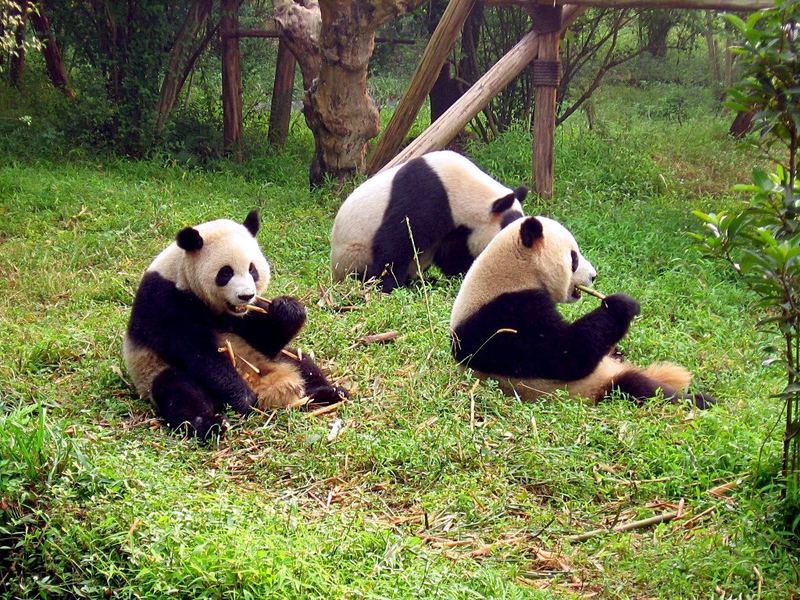
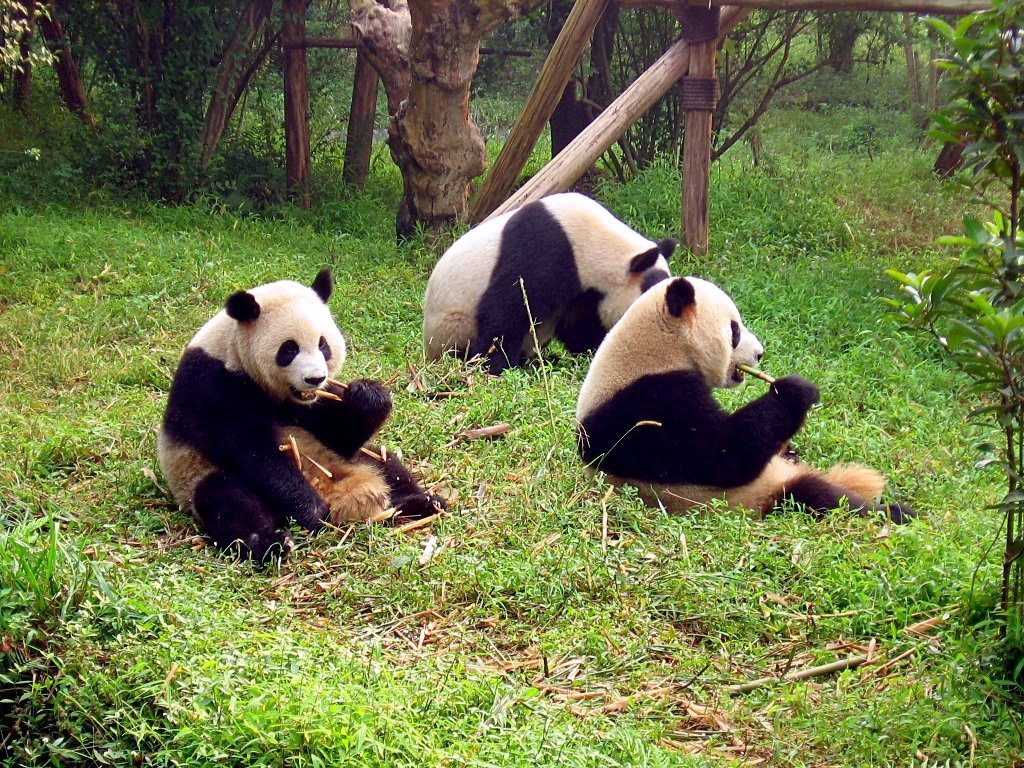
The base opens at 07:30 in high season and the ticket is ¥55. Take metro line 3 to Panda Avenue and the ¥2 shuttle from there, or a taxi from the centre for ¥45–60 that gets you to the gate by 07:00. Feeding happens early and by 10:30 most of the adults are asleep in the bamboo, so the difference between arriving at 07:20 and at 09:30 is the difference between the trip you imagined and a queue.
Walk the route in the order the map gives: adults first, then the sub-adults, then the nursery, which is where the year’s cubs are. Allow three hours including the walk between enclosures, and bring water, because the site is 357 hectares and the café prices are what you would expect.
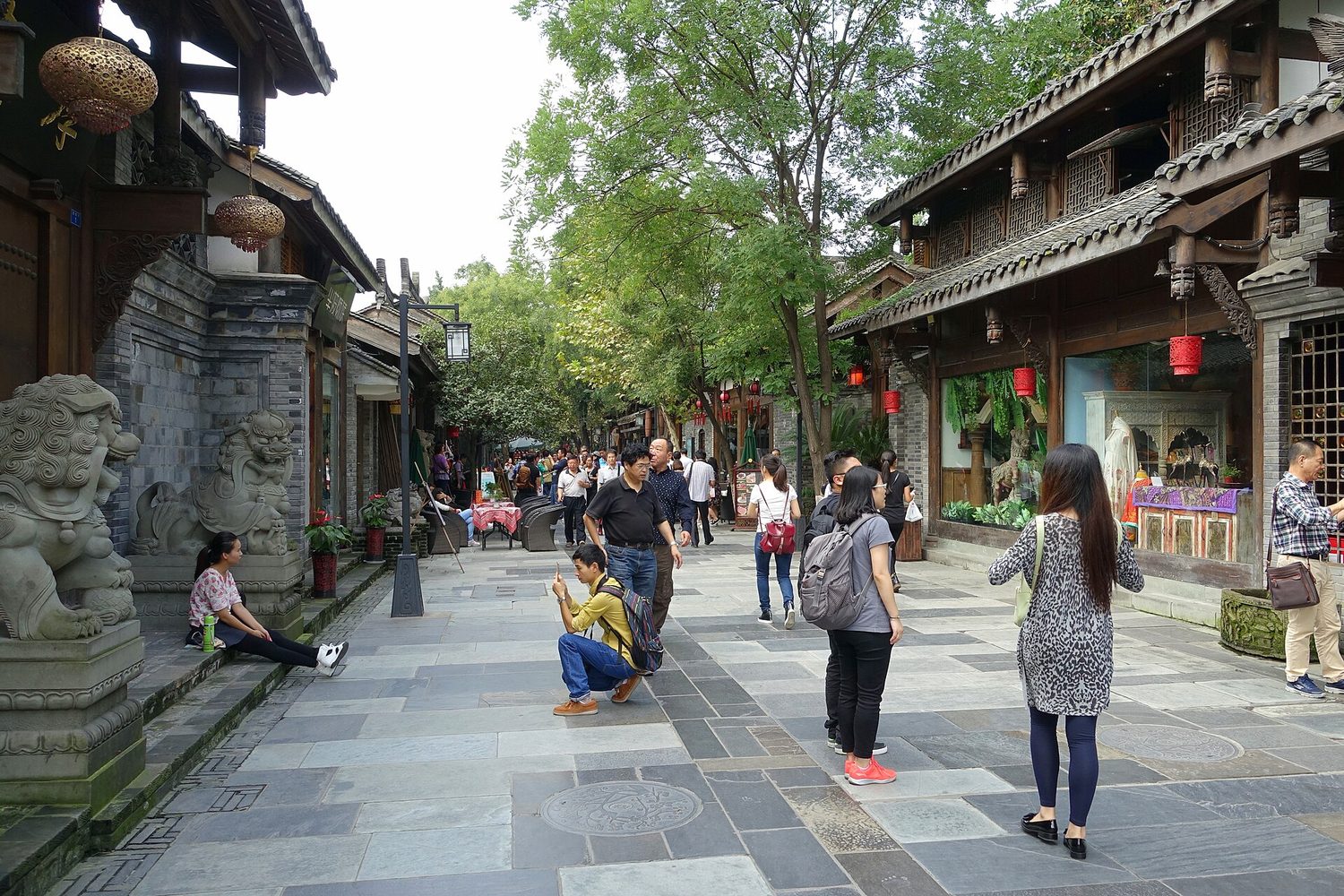
Back in town by 13:00, go to People’s Park and sit at Heming Teahouse, where a covered cup of jasmine is ¥20–60 and nobody will move you on. Ear cleaning is offered for ¥50–100 and is either the most relaxing ten minutes of your trip or the strangest, depending on your tolerance. Kuanzhai Alley, three parallel lanes of courtyard houses, is ten minutes away and free; the middle lane is the quietest.
Day 2 — Shrines, a poet and a long dinner
Start at the Wuhou Shrine, ¥50, which is a memorial complex rather than a single temple: halls, gardens, and a bamboo-shaded path that is one of the calmest walks in the city. Jinli Street next door is free and restored, with snacks and puppet shows, and it is at its best before 10:00 when the tour groups have not arrived.
In the afternoon take a taxi west to the Du Fu Cottage, ¥50, where the Tang poet lived and wrote for four years. The thatched hall has been rebuilt many times and the gardens are the reason to go — 24 hectares of bamboo, ponds and steles with almost nobody in them on a weekday.
Dinner is the event. A hotpot for two with beer lands at ¥180–280, and the local style is a bubbling beef-tallow broth with a bowl of sesame oil and garlic beside your plate. If you would rather watch something, the face-changing opera shows cost ¥150–320 depending on the seat and run about 90 minutes, with the best-known venue near Kuanzhai Alley.
Day 3 — Pick one mountain, not two
Dujiangyan is the older and more interesting option: an irrigation system built in 256 BC that still waters the plain, entry ¥80, and the walk beside the river takes three hours. Trains from Chengxi South or Xipu take 30–40 minutes for ¥10–15, and the station is 20 minutes from the site by bus. Qingcheng Mountain, ¥80, is next door and needs a second day to do properly.
Leshan is the other choice and an easier sell for photographs. High-speed trains from Chengdu East reach Leshan in about an hour for ¥65, then a bus for ¥2 takes you to the Giant Buddha, ¥80, carved into a cliff 71 metres tall in the 8th century. The path down beside the statue queues badly after 11:00; the river boat at ¥70 gives you the whole figure in twenty minutes from the water, which many people prefer.
Chengdu in numbers
Key facts
- Panda base
- ¥55, opens 07:30 in high season
- Wuhou Shrine and Du Fu Cottage
- ¥50 each
- Hotpot for two
- ¥180 – ¥280 with drinks
- Sichuan opera
- ¥150 – ¥320
- Metro and taxis, three days
- ¥120 – ¥200
- Hotel, central
- ¥350 – ¥700 per night
Three days works out at about ¥2,200 per person with a decent hotel, or ¥1,300 staying in a hostel near Chunxi Road and eating mostly street food. The cheapest and best meal of the trip is usually a ¥12–18 bowl of dan dan noodles from a shop with plastic stools and no English menu.
Small traps worth knowing
- Arriving at the panda base mid-morning and concluding the pandas are boring. They are not; they are asleep, and it is your timing that is wrong.
- Booking Leshan and Dujiangyan on consecutive days. Both involve early trains and a lot of walking, and the second one suffers.
- Ordering a “medium” hotpot without checking what is in the broth. The local version is beef tallow, not water, and it is far richer than most visitors expect.
- Assuming a teahouse is a quick stop. Two hours is normal, refills are free, and nobody will bring you a bill until you ask.
Questions people actually ask
What is the best time to see the pandas?
The first hour after opening, which is 07:30 to 08:30 in high season. Feeding and activity happen then; by late morning the adults are asleep and the enclosures are crowded. Being at the gate at 07:20 is worth the early start.
Leshan or Dujiangyan for a day trip?
Leshan for the Buddha and the river boat, Dujiangyan for the engineering and quieter walking. Leshan is easier by high-speed rail at about an hour; Dujiangyan is closer at 30–40 minutes and has fewer visitors.
Is Chengdu worth three days?
Yes, because two of the three days here are gentle by design. If you cut it to two, you keep the pandas and the teahouses and lose the mountains, which is a fair trade only if you are short on time.
The panda base shifts its opening time with the season and the day-trip rail timetable changes twice a year; the figures below follow the current summer timetable and were last reconciled in the third week of September 2026.