2 Days in Chongqing: Everything Worth Seeing Is After Dark
A city built on cliffs where the metro runs through buildings and the riverfront lights up at seven. Plan backwards from the night and the days arrange themselves.
Chongqing is the only Chinese city where the geography is the attraction. It stands on a peninsula where two rivers meet, built up the sides of hills, and the result is a place where the eighth floor of a building opens onto a street and a five-minute walk on the map turns out to involve 200 steps.
Daylight flattens it. The city looks its best from the moment the lights come on, so the sensible plan is to treat the days as research and the nights as the main event, with one full day kept aside if you want the rock carvings or the karst bridges out of town.
Two days, weighted towards the evening
| Day | Morning | Afternoon | Evening | Tickets |
|---|---|---|---|---|
| 1 — Peninsula and river | Jiefangbei, then the cableway across | Nanshan viewpoint and Ciqikou | Hongya Cave at 19:30, hotpot after | ¥60 |
| 2 — Old town and museums | Liziba monorail, then Ciqikou if missed | Three Gorges Museum | River cruise or Raffles deck | ¥30 – ¥158 |
Metro fares are ¥2–7 and the network is the fastest way between the ridges; taxis start at ¥10 but a 3 km trip can take 40 minutes at 18:00. Buy a transport card or use the QR code, because the machines at interchanges queue badly at rush hour.
Day 1 — Cross the river twice at most
Start at Jiefangbei, the commercial heart, which is a pedestrian square surrounded by malls and, more usefully, a metro interchange for lines 1, 2 and 6. From there walk twenty minutes downhill to the Yangtze cableway, ¥30 one way, five minutes across the water, and remember that this is public transport for commuters rather than a ride.
On the far side, take a taxi up to the Nanshan viewpoint for the skyline seen across the water, then come back down to Ciqikou in the afternoon. Ciqikou is a restored Qing-dynasty port quarter of stepped lanes, teahouses and ginger candy, free to enter and busy at weekends; the side lanes away from the main street are where the tea houses with locals in them are.
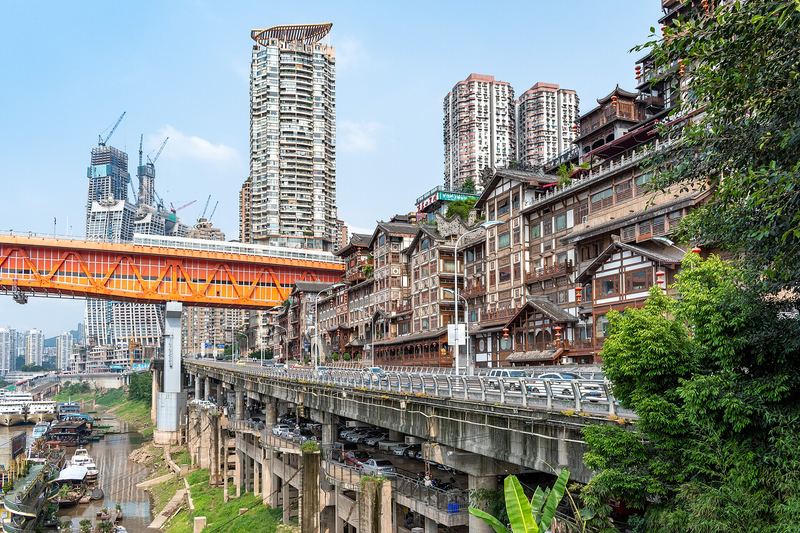
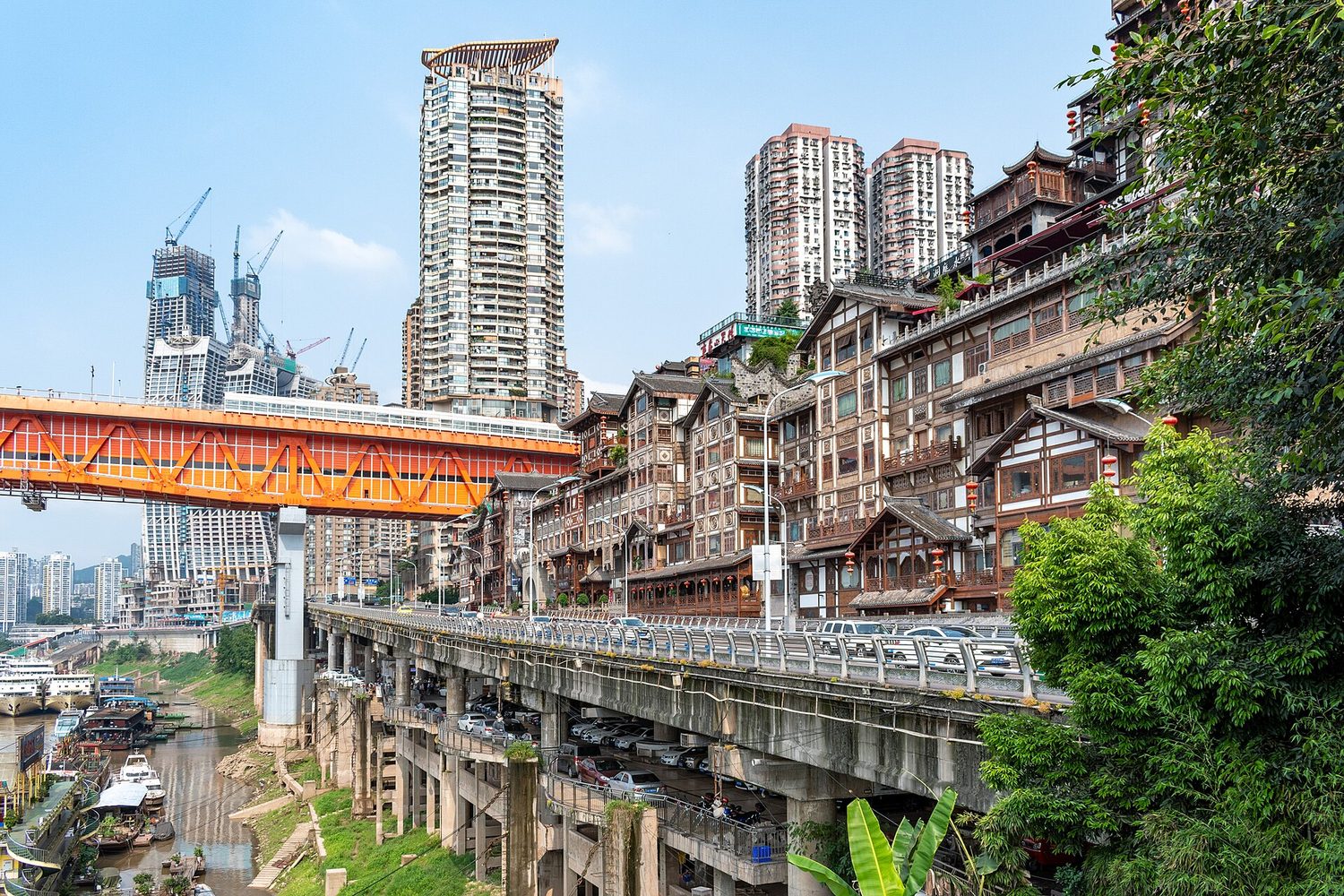
Be at Hongya Cave by 19:30. It is free, it is eleven storeys of timber balconies stacked against the cliff above the Jialing river, and it glows from about 19:00 until 22:00. The best view is not from inside it but from the Qiansimen bridge a few hundred metres east, where the whole structure sits over the water with the towers behind.
Day 2 — The monorail, a museum and a long dinner
Take metro line 2 to Liziba in the morning to watch the monorail pass through the eighth floor of a residential block. It costs the price of a normal fare, the viewing platform outside the station is free, and trains come every few minutes, so it takes twenty minutes rather than a morning.
Then the Three Gorges Museum, free with a booked slot and closed on Mondays, which covers the flooding of the reservoir and the relocations that followed, and is far more interesting than the name suggests. The Great Hall of the People next door is worth a look from outside.
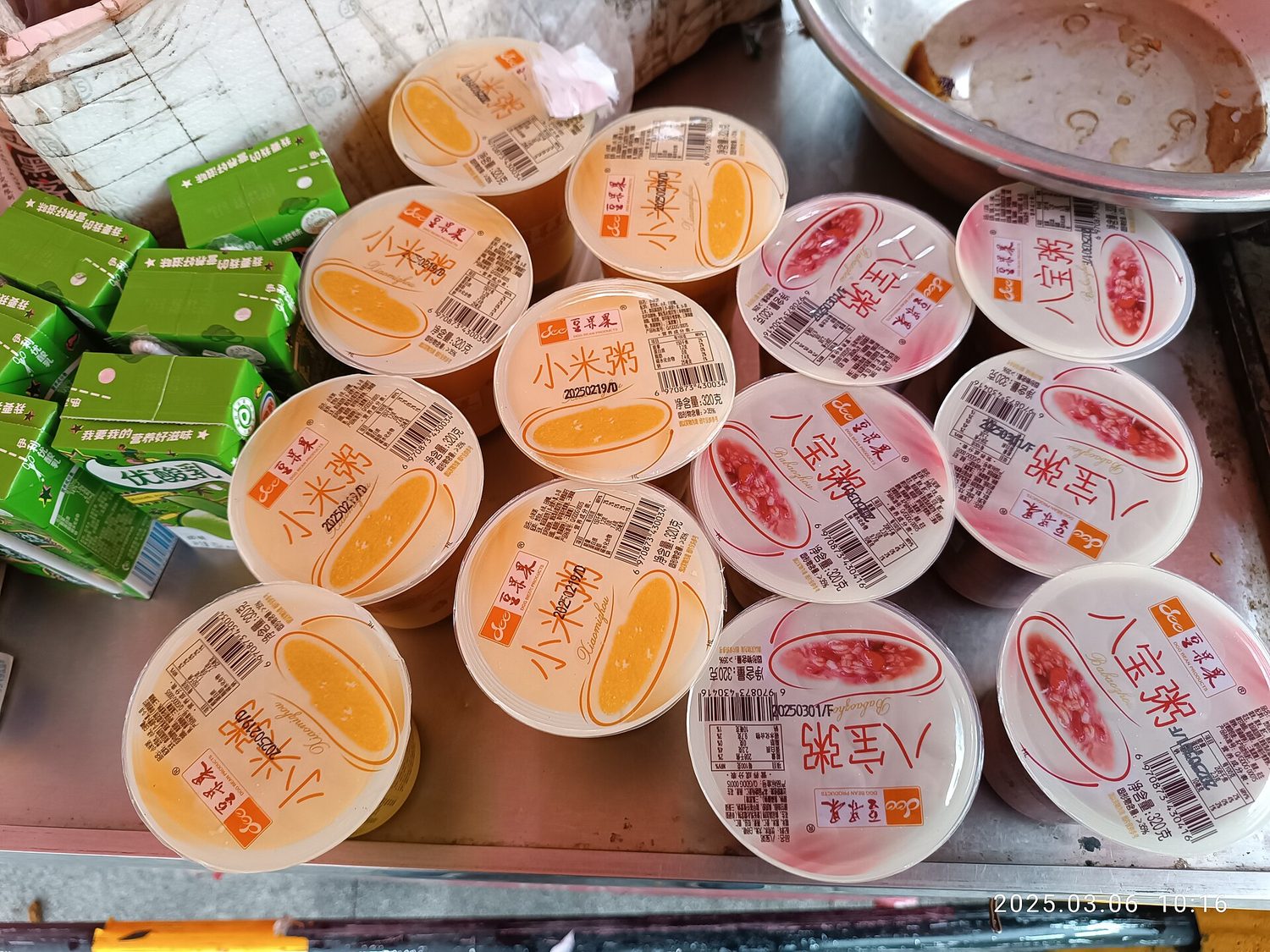
Dinner is the point of the day. Chongqing hotpot is a beef-tallow broth with chilli and Sichuan pepper, ordered by the plate, and two people with beer land at ¥180–280. Order tripe, aorta, potato slices and lotus root, and use the bowl of sesame oil and garlic to cool each mouthful. Noodles for breakfast — xiaomian at ¥10–15 — are eaten standing at pavement stalls.
Chongqing in figures
Key facts
- Yangtze cableway
- ¥30 one way
- Hongya Cave, Ciqikou, Liziba
- Free
- River night cruise
- ¥98 – ¥158
- Hotpot for two with beer
- ¥180 – ¥280
- Metro, two days
- ¥20 – ¥35
- Hotel in Jiefangbei or Nan’an
- ¥350 – ¥900 per night
Two days costs about ¥1,500 per person with a mid-range hotel, and the sightseeing line in that total is under ¥200, which makes this the cheapest big city in the country for what you actually see. Taxis are the wild card: a cross-river trip at the wrong hour can cost more in time than in money.
Tricks this city plays on visitors
- Trusting the map distance. Two points 400 metres apart can be 40 metres apart vertically with no direct path.
- Looking for Hongya Cave as a cave. It is a building, and the entrance is not on the river level.
- Doing Pudong-style tower views here. Chongqing’s skyline is best from the far bank at ground level, and most observation decks face the wrong way.
- Scheduling anything for 18:00–19:00 across the bridges. Add forty minutes to anything involving a river crossing at that hour.
Questions people actually ask
Is Chongqing worth two days?
Two days covers the riverfront, the old town, the monorail and one serious hotpot. Most people then add a third for Dazu or Wulong, which are the two best day trips in the region.
What time should I go to Hongya Cave?
Arrive around 19:30, when the lights are fully on and it is dark enough for the glow to read. Before 18:30 it looks like an ordinary timber building and the photograph does not work.
How spicy is Chongqing hotpot really?
Spicier and heavier than Chengdu’s, because the broth is beef tallow rather than water. Ask for a split pot if you are unsure, and use the oil bowl — it cools the food and removes some of the chilli.
River-crossing fares and the cableway timetable are set by the municipal operator and the river cruise schedules move with the water level; both were reconciled in mid-September 2026.