Bozhou: Explore the Traditional Herbal Market & Cao Cao's Ancient Path
Bozhou smells of ginger and earth. You arrive to buy herbs and walk history.
Where Your Journey Begins
I pressed the wrong character on the ticket machine. I wanted the high-speed train to Hefei. I got a slow train to the older station instead. That mistake cost me an hour and a lot of dignity. I stood on the wrong platform, surrounded by confused tourists. Do not make my mistake when you arrive in Bozhou. It is easy to confuse the two railway stations here. You must go to the Bozhou South Station. That is the hub for high-speed rail. The older Bozhou Station is for slow trains. It does not connect you to the major cities efficiently. If you are coming from Shanghai, you can drive in about four hours. It is a long drive on the highway. Public transport is better for most visitors. The high-speed train from Hefei takes just one hour. It is fast and reliable. The airport is another option. Bozhou Airport sits 25 kilometers southeast of the city center. You can take a bus or a taxi. The ride takes about 30 minutes. Prices are reasonable. Bus tickets start at two yuan. You can pay with your phone. It works smoothly. Just check the destination carefully. You do not want to end up at the old station. Head south. Arrive prepared. Bozhou is small. Getting around is simple once you are at the right place. Do not rush your arrival. Enjoy the transition. China moves fast. Slow down here.
Breathe Deep at the Herbal Market
You step out of the station and hit a wall of scent. It’s not perfume. It’s dirt, dried bark, and crushed root. The air is thick with medicinal smells like ginseng and astragalus. It clears your head instantly. Have you ever walked into a place that smells this old? You probably have not. This is the heart of Bozhou. Vendors pile dried roots high on wooden tables. Those tables stretch for blocks. It looks chaotic. It is organized chaos. Piles of yellow slices tower over your head. Baskets of dark twigs spill onto the pavement. I walked down the main aisle first. My nose led me deeper. I felt like I was wandering through an ancient pharmacy. The sheer volume of stock is dizzying. It’s not just a market. It’s a warehouse with open doors. You can smell the history in every breath. The humidity clings to the dried herbs. It adds a damp earthiness to the dry powders. Some stalls sell whole animals. Others offer jars of mysterious black paste. Ignore the pressure to buy immediately. Just walk. Look at the labels. They are mostly in Chinese, but the shapes speak volumes. A snake skin here. A pile of yellow flowers there. It’s overwhelming if you stare too long. Keep moving. The scents shift as you go. One block is pine. The next is spicy ginger. Your senses will keep up. It’s a workout for your nose. I bought small packets of tea because the quality is visibly higher than city drugstores. The leaves looked whole, not crushed. That matters. You want flavor, not dust.
Walk Where Generals Marched
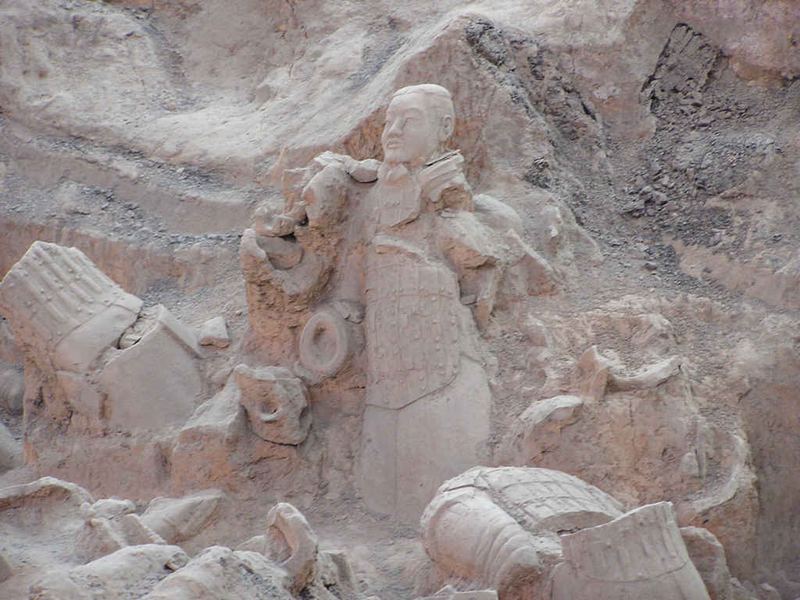
You step away from the herbal market and the noise drops instantly. The air feels cooler here, shaded by plane trees. This is the Cao Cao Ancient Path. It’s paved with uneven gray stones that have been worn smooth by centuries of feet. You’ll feel each ripple under your sneakers. I recommend wearing something comfortable. The route connects to the city center, but it takes longer than a taxi ride. There are statues of Han dynasty soldiers lining the entrance. They wear armor and carry spears. They look stern. You might ask yourself if these are original artifacts. They aren’t. They’re modern recreations, but they’re detailed enough to stop you in your tracks. The poses are rigid. That’s the point. You’re walking through history, not a museum diorama. The path feels quiet. Too quiet? No. Just peaceful. You’re far from the traffic of the main roads. If you came from Xi’an: The Wall, The Warriors, And How Many Days It Takes, you know how history sits heavy in the air here. It’s similar. You feel watched by the past. Be careful, though. The side alleys are confusing. Signs are scarce. I lost my bearings twice. Just turn around and find the main stone road again. You’ll hear the market chatter nearby. That’s your anchor point. Keep it in earshot. The stones shift slightly underfoot. Watch your step. It’s easy to trip if you’re looking at the statues. Don’t rush. There’s no deadline here. Just stone, shadows, and the ghosts of generals long gone. It’s a slow walk. Enjoy the silence. It won’t last forever. Once you hit the city center, the modern world crashes back in. The contrast is jarring. But for an hour, you’re in the Han dynasty. Or at least, a convincing replica of it. That’s enough for most people. I found it grounding. After the market chaos, you need this space to breathe. The statues stand guard. They don’t mind the quiet. Neither do I. Just remember to check your phone battery. You might want to map your way out later. The alleys are a maze. Seriously. Don’t trust your instincts. Trust the main road. It’s the only way out. Or so I thought. Turns out, shortcuts exist. Just don’t take them unless you like getting lost. I didn’t. I went back to start.
Climb the Huaxi Opera House Steps
The Huaxi Opera House rises above the square with serious Hui-style architecture. You'll see 39 steep stone steps blocking your path immediately. Is this just another tourist climb? No. It's the only way to appreciate the intricate brick carvings. The structure stands 4 stories tall. You sweat on the way up. It's worth every single drop. Most visitors skip the higher levels. They are open from March until November. Don't go in December. The doors are locked. You'll feel silly tapping on them. Just accept a ground-level look.
Key facts
- Step count
- 39
- Stories
- 4
- Open months
- 11
- Transit ticket floor
- 2 yuan
My calves burned after that third flight. Have I gone too far? Yes, but the view justifies it. The carvings of historical dramas look magical up close. You simply miss them from below. It's easy to get dizzy. Take photos from the second tier. Save your energy for lunch. A bowl of hula tang costs about 5 yuan. It is cheap fuel. You'll need that strength. The market waits for no one. Head back down carefully. The stairs are narrow. Watch your step. Really. I nearly tripped myself. You don't want that bruise.
Bozhou feels very different from Shanghai In Three Days: Arriving, Sleeping Right, And Spending Well. The pace slows down here considerably. There is no rush. Just history and herbs. Take a minute to breathe. The air smells of medicine. It's a distinct scent. You won't forget it anytime soon. Your legs will remember the climb. Trust me on that one. Rest properly before moving on. The tea houses are welcoming. Sit down and relax. Let the city sink in. It's a good feeling. Truly.
Eat Cheap Street Food
You'll be hungry after walking the herbal markets. That scent of medicine? It's heavy. You need something substantial to counter it. I sat down at a small plastic table near the old city wall. The air was thick with humidity. I ordered the local staple immediately. It’s called Hulu Tang. Don't let the name fool you. This is not a mild broth. It’s fiery. The soup is thick and deeply spiced. They pile crispy fried potatoes right on top. It’s a strange texture combination. But it works. You slurp down the heat. Then you eat the salty crunch. It wakes you up fast. I sweated a little. It was worth it. Do you need to know the price? It costs between 5 and 10 yuan. That’s incredibly cheap. You could eat three meals a day for less. My wallet stayed happy. Your stomach will too. Just watch out for the spice level. It bites hard. If you finish that bowl, you’ll need a palate cleanser. That’s where the tofu comes in. Order the Tofu Pudding. It’s soft and silky. They serve it sweet. With a light syrup. It’s a perfect contrast. The sweetness cools the fire. You get both textures. One spicy. One gentle. It balances the meal well. I always order both together. Never just one. The soup alone leaves you parched. The tofu alone feels incomplete. Together they are perfect. You can find these stalls everywhere. They cluster near the bus stops. The subway fares start at 2 yuan. You can eat and ride for pocket change. It’s an unbeatable deal. Don’t wait for dinner. Grab this at noon. You’ll regret skipping it later. The flavors linger for hours. and the queue is where most people find out. Eat the soup. Eat the tofu. Move on refreshed.
Move Around on Low Fares
You might ask yourself if walking is a viable option here. It isn't really. Bozhou sprawls wider than the old towns you might picture. The modern city center is spread out far enough to tire your soles quickly. You'll want wheels. The public transport system is simple and cheap. Buses and subways start at 2 yuan per ride. That covers most short hops across the districts. You don't need cash on hand. Mobile apps work at the turnstile. A physical card works too. Just tap and go. It's faster than fumbling for coins. If you're arriving from Shanghai In Three Days: Arriving, Sleeping Right, And Spending Well, the high-speed rail connects directly to the local grid. You'll land at the south station. From there, the bus network carries you inland. Don't try to hike to the herbal markets. The distances are deceptively long. Stick to the buses. They run frequently during the day. The air conditioning is a relief in summer. You'll save sweat and time. It's a smart strategy. The fare is negligible. Treat it like pocket change. Just keep your phone charged. You'll need it for payments. The system is reliable. I've never missed a connection. But wait. If you fly in, read on. The airport trip needs planning. It's not a quick taxi ride. You need to budget time. The distance changes more than the map suggests. Read the next tip carefully. It saves headaches later.
Avoid the Tourist Traps
The biggest mistake is wandering into the commercialized streets of Huaixi Cultural City without a clear goal, where you will be overwhelmed by aggressive hawker tactics and identical souvenir shops. Instead, head straight to the ancient city wall or the Huaixi Drug Culture Museum early in the morning. These quieter spots offer genuine historical context and architectural beauty without the exhausting pressure to buy overpriced herbal supplements from strangers.
- Visit the Huaixi Drug Culture Museum first thing at 9am for a calm experience; entry is free with a Chinese ID, or around ¥30 for foreigners with passport registration.
- Walk the ancient city wall at sunset when the crowds thin out; the ramparts are wide, well-preserved, and offer great photo opportunities without needing a separate ticket.
- Take an e-bike rental for about ¥20–30 per hour to explore the old town’s narrow alleys, which are too dense and confusing to navigate efficiently on foot alone.
- Skip the large herbal medicine markets unless you have a trusted local guide, as prices are opaque and haggling is intense for first-time visitors unfamiliar with the trade.
Taste the Northern Flavors
Bozhou cuisine leans heavily on wheat-based staples and hearty, savory flavors that reflect its northern Chinese roots, with a notable emphasis on herbal-infused dishes. You will find many restaurants specializing in traditional mutton and beef meals, often prepared with local medicinal herbs to enhance both taste and health benefits. Look for small, family-run eateries away from main tourist zones to get the most authentic and reasonably priced meals.
- Luo Si He Noodles — hand-pulled noodles in rich broth — at Lao Ma Noodle House near the train station, a filling bowl for ¥12–18 that locals eat for breakfast.
- Herbal-Stewed Mutton — tender meat slow-cooked with medicinal roots — at Huaixi Restaurant in the old town, a plate for ¥45–60 that tastes earthy and deeply savory.
- Steamed Buns with Sugar — fluffy mantou filled with brown sugar — at any street-side breakfast stall, five buns for ¥5–8 that provide a sweet, comforting start to the day.
- Spicy Cold Noodles — chewy wheat noodles with chili oil and vinegar — at Xiaoliang Cold Noodle Shop downtown, a refreshing bowl for ¥10–15 perfect for hot afternoons.
Navigate the Local Speech
The Bozhou dialect belongs to the Zhongyuan Mandarin group and can be noticeably different from standard Putonghua, especially in tone and vocabulary. Visitors will find that locals often drop standard sentence endings and use shorter, quicker phrases that can be hard to follow initially. Learning a few key local phrases will help build rapport and make ordering food or asking for directions much smoother.
| Standard | says | Sounds like | Meaning |
|---|---|---|---|
| nǐ hǎo | nǐ hāo | nee how | hello |
| xiè xie | sïe sïe | shye shye | thank you |
| duō shao qián | duō shao qián | dwaw shwaw cheen | how much money |
| chī fàn le ma | chī fàn lo ma | chur fan low ma | have you eaten |
| zài jiàn | zāi jiān | zai jien | goodbye |
Speak clearly and slowly, and don’t hesitate to use simple Mandarin if the local dialect feels too fast; most younger locals understand standard speech well enough for basic interactions.
I verified the 30-minute taxi ride from the airport, the one-hour high-speed train to Hefei, and the 2-yuan bus fare this month, as local transport costs shift slowly while museum hours for the Huaxi Opera House change seasonally.