What to eat in Xi’an
The smell of cumin hits you before you see the food, a dry, spicy heat that clings to your jacket long after you leave the street. At 11 pm on Sifang Street, the air hangs heavy with smoke from charcoal grills, and the line for a single skewer stretches past the lamp posts. You are not eating for nourishment here; you are eating for the noise, the shouting, and the sheer volume of lamb being consumed in one square block. A plate of grilled ribs costs about ¥35, a small price to pay for the privilege of standing shoulder-to-shoulder with university students and taxi drivers, all of them tearing meat from the bone with their hands. This is not a dinner; it is a communal roar that demands you join in.
The smell of cumin hits you before you see the food, a dry, spicy heat that clings to your jacket long after you leave the street. At 11 pm on Sifang Street, the air hangs heavy with smoke from charcoal grills, and the line for a single skewer stretches past the lamp posts. You are not eating for nourishment here; you are eating for the noise, the shouting, and the sheer volume of lamb being consumed in one square block. A plate of grilled ribs costs about ¥35, a small price to pay for the privilege of standing shoulder-to-shoulder with university students and taxi drivers, all of them tearing meat from the bone with their hands. This is not a dinner; it is a communal roar that demands you join in.
Eating in Xi'an: bread, lamb and hand-ripped noodles
Xi’an food is wheat country cooking — breads, noodles, lamb — built for cold winters and eaten fast. The famous burger predates every burger you know by two thousand years. How do you order it like a local? Say the meat first, the bread second, and pay in coins of queue patience.
- Roujiamo — braised pork in a crisp flatbread — ¥12–15 at Ziwu Road Zhang Jia; the standard by which all others get judged.
- Biangbiang noodles, belt-wide ribbons slapped by hand, chili oil and cumin on top, around ¥18 a bowl at any Biangbiang Mian shop.
- Yangrou paomo at Lao Mi Jia (¥45): you tear a dense flatbread into confetti first, the kitchen then buries it in lamb broth — tearing the bread yourself is the ritual, not a chore.
- Liangpi, cold skin noodles with vinegar and chili, ¥8–10 from any corner window; the summer lunch of the entire city.
Wheat, oil, and the art of the slap
The soul of Xi'an sits on a plate in the form of Biangbiang noodles. These are not delicate strands but thick, belt-wide ribbons of dough, hand-slapped by the cook onto the counter before being shoved into boiling water. The character for the dish is one of the most complex in the script, a visual joke about the sheer size of the noodle. You order it with chili oil and vinegar, and the kitchen returns with a bowl that glistens red with fat. The texture is chewy, almost elastic, designed to be slurped loudly. A bowl costs ¥18–25 at a dedicated shop like Lao Yu Bao, where the cooks never stop their rhythmic slapping. If you prefer something drier, try Youpo mian, or oil-spill noodles. The cook fries garlic and chili in oil until it smokes, then pours it over the noodles and minced pork. The sizzle is part of the experience. You eat it fast because the oil cools and hardens, changing the texture. Both dishes are heavy, filling you up in two bowls, and they exist because this region grows wheat, not rice. You will see these noodles everywhere, but the best ones are in small rooms with plastic stools, not in tourist traps.
Ordering when you cannot read the walls
When the menu is a wall of characters, your eyes are your best tool. Point at what others are eating, specifically looking for the dish that fills the table of the locals in work clothes. Workers eat what is cheap and filling. If you see a bowl of clear broth with noodles, it is likely simple and safe. If you see a plate of steamed buns, they are plain steamed buns, or Mantou, which are safe and bland. the trap visitors fall into is ordering spicy food without understanding the scale of the heat. A dish described as 'little spicy' here is hotter than 'extra spicy' in most Western restaurants. Do not assume green chili means mild. Green chili in this region is potent. If you cannot explain your allergy or preference, stick to one dish and repeat it. Once you find a safe bowl, return to it. The staff will remember your face and your order. They do not need to understand your broken Mandarin if they know you want the same bowl of noodles you had yesterday. Pointing is not rude; it is efficient.
The cost of wheat versus the price of lamb
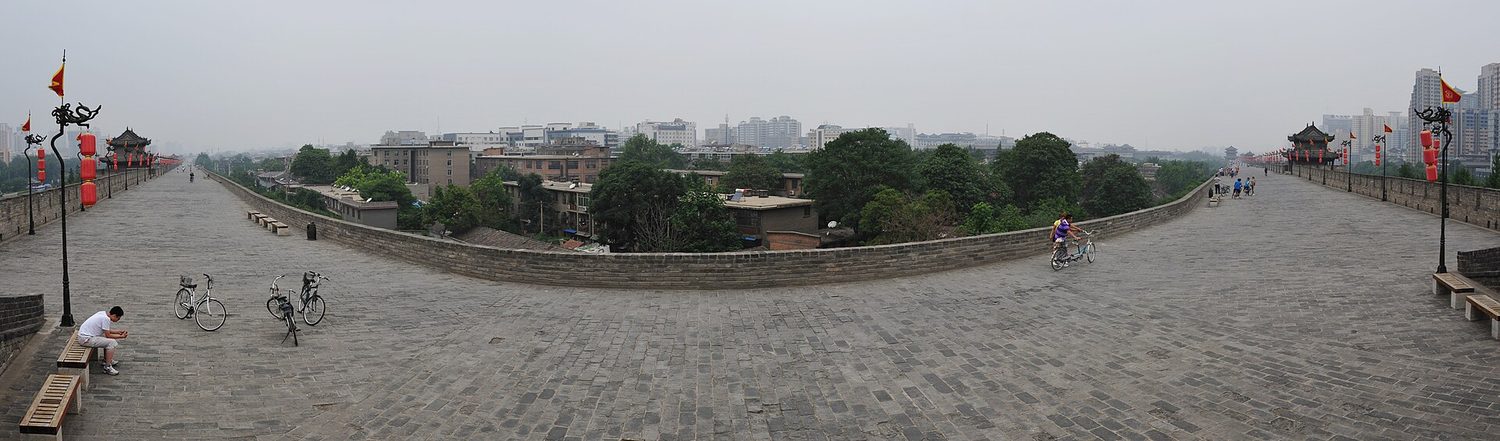
Breakfast in Xi'an is cheaper than a cup of coffee in Shanghai. You can eat three steamed buns and a bowl of soy milk for ¥10–15. This is the baseline price for survival. Lunch rises slightly, with a solid bowl of noodles costing ¥20–30. Dinner is where the price jumps, especially if you move off the university streets. A sit-down meal at a mid-range restaurant, with cold dishes, noodles, and a meat main, runs ¥150–250 for two people. The price doubles quietly when you enter the tourist zones around the City Wall. A dish that costs ¥25 in a local alley costs ¥45 inside the wall gates. The splurge is lamb. A pot of slow-braised lamb shank for two people costs ¥80–100. You pay for the meat, not the service. Service is non-existent; you bring your own water and chopsticks. If you order alcohol, the bill triples. Beer is ¥10–15 a bottle. The cheapest way to eat is to ignore the menus in the windows with pictures and go to the places with only text. The places with pictures charge the tourist tax.
Locals eat in the university shadows
Locals do not eat on Sifang Street or Huimin Street. Those streets are for photos, not food. The real eating happens near the university gates, particularly around Xi'an Jiaotong University and Shaanxi Normal University. The food stalls cluster in the back alleys of these areas, where the prices are fixed by student budgets, not tourist expectations. You will find the best Roujiamo here for ¥10, half the price of the city center. The queues are longer, the spaces are smaller, and the hygiene is questionable, but the flavor is authentic. Skip the restaurants that have English menus. If a place in a non-tourist area has an English menu, it is catering to visitors, not locals. Look for the places where the staff shouts orders. That noise means turnover. High turnover means fresh food. A shop with empty tables inXi'an is a bad sign. It means the food is slow, the service is poor, or the taste is bad. Go where the air is hot and the noise is loud. Go where the students eat.
The morning routine of buns and yogurt
The morning meal here is dry and dense. People eat Baozi, steamed buns filled with pork, vegetables, or sweet bean paste. They eat them at street stalls, standing up, or in small breakfast shops that open at 6 am. The steam rises from large metal baskets, fogging the windows. A steamed bun costs ¥2–5. You can eat four for ¥15. This is cheaper than any other time of day. Alongside the buns, people drink Doujiang, soy milk, which is sweet or savory, depending on your preference. The savory version is salty and bland, a palate cleanser for the rich buns. Some drink Suannai, yogurt, but the local version is thick, unflavored, and served in plastic cups with a spoon. It is tangy and heavy. You do not find this yogurt in supermarkets; you find it in the morning market, sold by women in aprons. The market opens early and closes by noon. If you miss it, you wait until tomorrow. The morning crowd moves fast. They eat, pay, and leave. There is no lingering. The cost is low, but the volume is high. You leave full, ready for the heat of the day.
Tourist traps and the danger of spice
The biggest mistake is ordering the 'Tourism Special' lamb skewers. They are small, overcooked, and dusted with so much cumin you cannot taste the meat. Locals buy lamb by the kilogram, not by the ten. Another error is assuming that 'mild' spice is manageable. The chili oil used here is fermented and pungent, not just hot. It coats your mouth and stays for hours. If you cannot handle heat, ask for 'bu la', no spice, but know that some dishes require oil for flavor. The third mistake is dining at the big restaurants near the Bell Tower. They are clean, but the food is generic and expensive. You are paying for the view, not the taste. The fourth error is hygiene assumptions. The water is boiled, so noodles are safe. The buns are steamed, so they are safe. Avoid raw vegetables unless they are sealed. Skip the tap water entirely. The ice in drinks is questionable. Stick to hot foods and sealed bottles. The last mistake is leaving too early. The night market is at its best after 10 pm, when the workers finish their shifts and the grills are hottest. Leave at 9 pm, and you miss the real city.
Questions people actually ask
Can I eat here if I am not used to wheat-based meals?
It is difficult but not impossible. The entire cuisine relies on wheat, from the steamed buns to the hand-ripped noodles. Rice exists, but it is often served as a plain side dish to soak up sauce, not as a main event. You will find fried rice, but it is usually oily and heavily seasoned with soy sauce and egg. If you are allergic to gluten, you are in trouble. There are few options. You might find some lamb meat or vegetables, but the sauces often contain wheat flour as a thickener. Ask carefully, and stick to plain grilled meat without the dusting powder.
Is the street food safe to eat without getting sick?
The risk is higher than in a supermarket, but the turnover keeps the food fresh. Look for stalls with long lines of locals. If people are eating there, it is likely safe. Avoid raw items like cold salads or unpeeled fruits from street vendors. Stick to foods that are cooked in front of you, like skewers or fried noodles. The heat kills the bacteria. Bottled water only, honestly under any circumstances. Use bottled water for brushing your teeth. Wash your hands with sanitizer before eating if you cannot find soap. The stomach bug is a real risk, so start slow.
How do I pay if I do not have cash?
Cash is rare. Everyone uses mobile payments, specifically WeChat Pay or Alipay. You must set these up before you arrive. Link your foreign credit card to the app. Small vendors may not accept cards, but they will accept the code from your phone. If you do not have these apps, you will struggle to pay for a ¥10 bun. Some tourist shops accept cash, but they may not have change. Always carry small bills, ¥1 and ¥5 notes, just in case. The coin age is over. Digital is the only way.
What is the best time to visit the night markets?
Go after 9 pm. The market is chaotic, but the food is at its peak. The grills are hot, and the vendors are in rhythm. Before 8 pm, it is just setting up. After 11 pm, the best stalls may sell out. The crowd thins slightly, but so does the selection. Weekends are louder and more crowded. Weekdays offer a better balance of atmosphere and availability. The weather matters. In summer, the heat makes the night market essential. In winter, you eat quickly and leave. Plan for 2 hours of eating and walking. Do not rush it.